Loading…
Loading…

Unurzul Mishigdorj
Ulaanbaatar, November 20, 2026 /MONTSAME/. Temperatures this winter are forecast to be 5°C below the multi-year average, according to the National Agency for Meteorology and Environmental Monitoring (NAMEM).
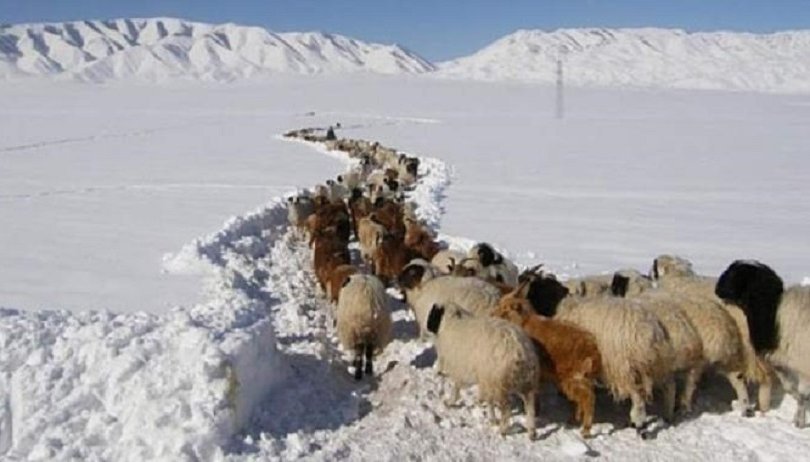
A nationwide risk assessment by the National Emergency Management Agency (NEMA) found that 290 of Mongolia's 330 soums, or 87.8%, face moderate to higher levels of risk of "dzud," a severe winter weather phenomenon where deep snow and ice prevent livestock from grazing.
According to the agency, eight soums are at extremely high risk, 35 at high risk, 247 at moderate risk and 40 at low risk. Sagsai and Tsengel soums in western Bayan-Ulgii aimag, along with four soums in Uvs aimag and northern parts of Zavkhan aimag along the Khangai Mountain Range are also at high risk. Several southern and central aimags with poor pasture capacity also face high livestock losses.
By provincial risk score, Gobisumber, Bayan-Ulgii and Khuvsgul aimags were placed at the high "orange" alert level, while Khentii and Orkhon aimags remained at the low "green" level.
Col. Baasansuren D., head of the agency's Risk Management Department, said heavy precipitation is expected in central, eastern and Gobi regions. Currently, 17% of the country is covered in snow. He warned of high risks for severe blizzards lasting more than 20 hours, which could block roads and trap herders migrating for better pastures.
Conditions are expected to worsen between December and February 2027, particularly in western and central aimags. Emergency officials urged local authorities to keep mountain passes clear and advised herders to reinforce livestock shelters and coordinate closely with local agencies.