Loading…
Loading…

Ooluun Batbayar
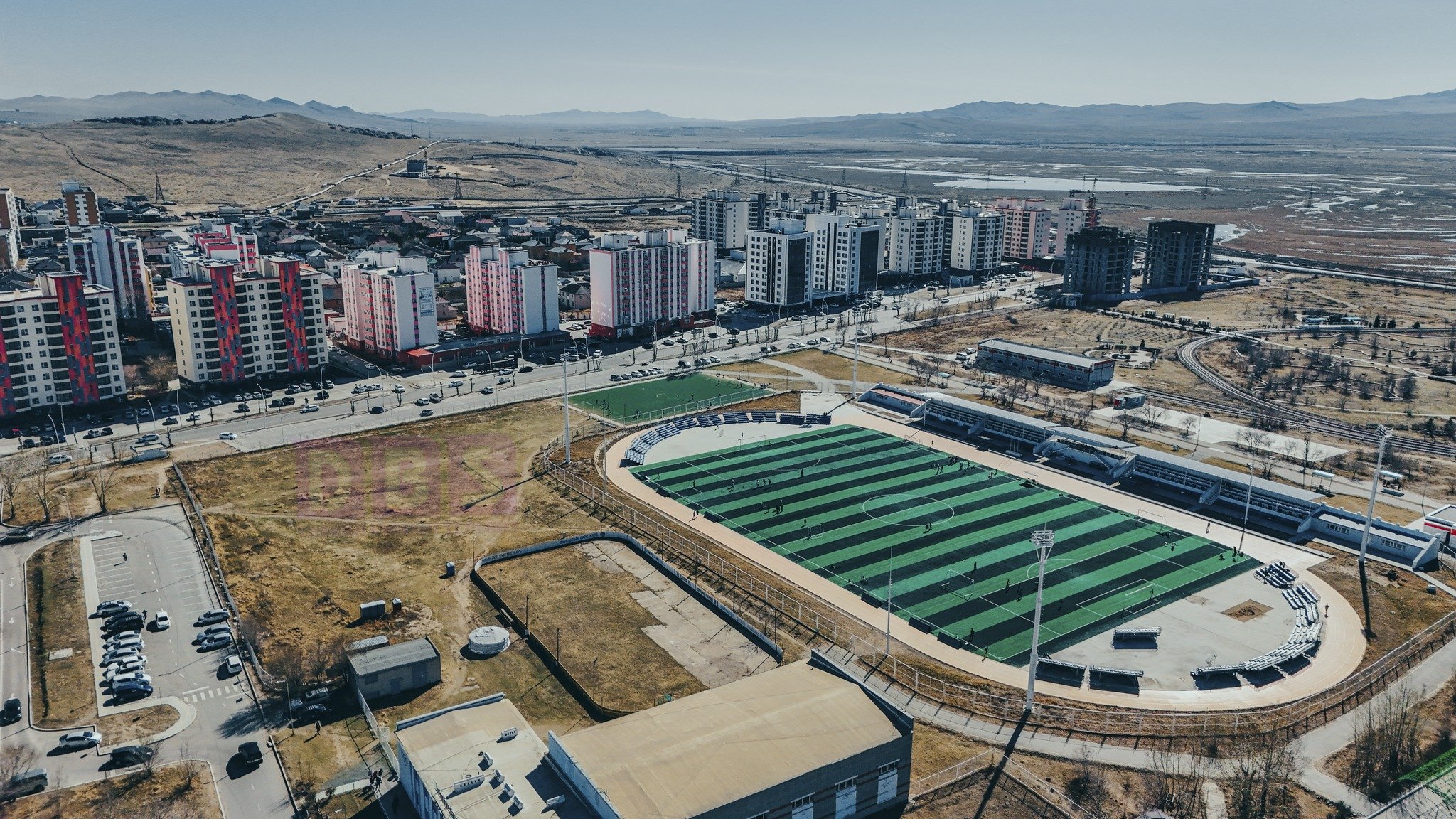
Darkhan, November 19, 2026 /MONTSAME/. Darkhan-Uul has topped aimag competitiveness ranking for the first time, according to the 2026 Aimag Competitiveness Report released by the Economic Policy and Competitiveness Research Center.
The report assesses and compares the development and competitiveness of 21 aimags based on 146 indicators grouped into four main categories: economic performance, government efficiency, business efficiency and infrastructure. Its data are drawn from official statistics and surveys of businesses in all aimags.
Aimags are ranked by their competitiveness scores, which are relative measures. The aimag with the highest score in a given year is assigned 100 points, and the scores of other aimags are calculated in comparison.
This year, Darkhan-Uul ranked first with 100 points, followed by Dornogobi with 96.2 points, Orkhon with 92.3, Umnugobi with 79.8 and Dornod with 76.5.
Among the notable changes, Darkhan-Uul rose from third place in 2023 to first this year, while Orkhon dropped from first to third.
Businesses across the 21 aimags identified the business environment, public governance, employment and living conditions as common challenges.
Bayankhongor and Dundgobi recorded the largest improvements in the rankings, moving from 16th to 12th place and from 21st to 17th, respectively. Tuv and Khentii experienced the largest declines, falling from 12th to 18th place and from eighth to 13th, respectively.
Darkhan-Uul recorded improvements in infrastructure, access to primary and secondary education, kindergarten enrollment, food safety, air quality, road conditions, green spaces, business efficiency, average wages, quality of life and government efficiency.
By category, Umnugobi ranked first in economic performance, Dornogobi in government efficiency, Darkhan-Uul in business efficiency, and Orkhon in infrastructure.
The average competitiveness score across the 21 aimags stood at 61.5 points, down 5.2 points from 2023. Overall scores increased in five aimags and declined in 16.
The report, first published in 2012, is now in its 15th edition. It aims to provide a comparative assessment of the development and competitiveness of aimags, identify their strengths, weaknesses and changes over time, and provide information to support local development policies and decision-making.