Loading…
Loading…

MONTSAME
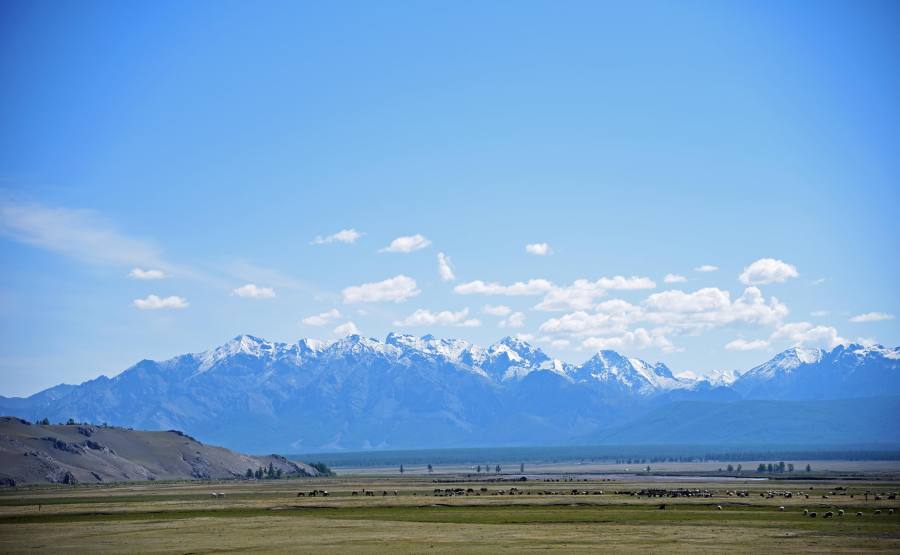
Murun, May 25, 2026 /MONTSAME/. The Khoridol Saridag mountain range, a unique natural region covering 188,634 hectares across Ulaan-Uul and Renchinlkhumbe soums of Khuvsgul aimag, stretches more than 130 kilometers northward along the southwestern part of Lake Khuvsgul and the southeastern side of the Darkhad Depression.
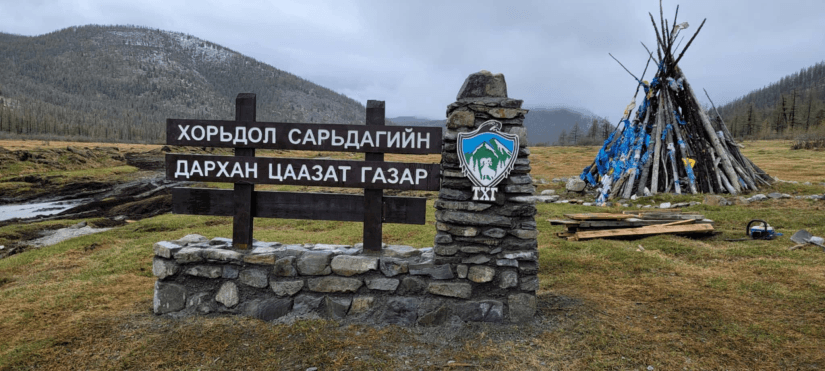
The area was designated a state special protection area by Resolution No. 47 of the State Great Khural (Parliament) in 1997 to preserve its pristine natural environment and protect its soil, water resources, flora, and fauna from the adverse impacts of human activity.
The Khoridol Saridag range represents the western taiga region of the Khuvsgul high mountains. It is considered one of the major centers of ancient glaciation, featuring a high-mountain ecosystem rich in freshwater resources. The protected status aims to support comparative regional studies, preserve ecosystem structure and biodiversity, and identify the causes of decline among rare and endangered species while creating favorable conditions for their recovery and reproduction.
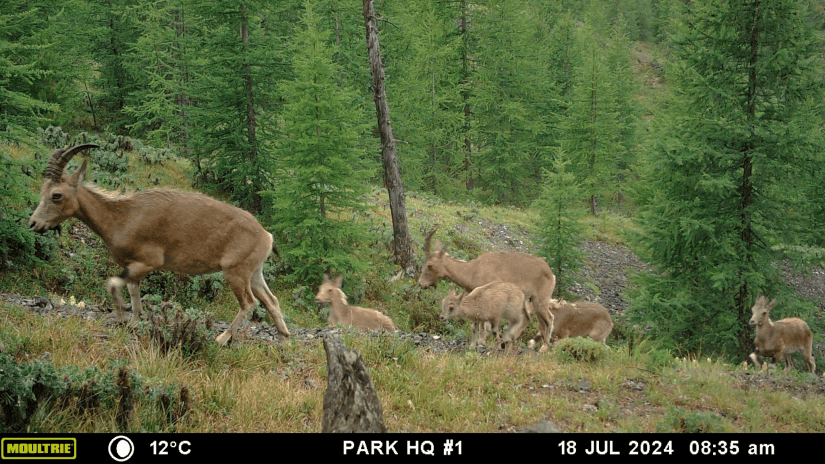
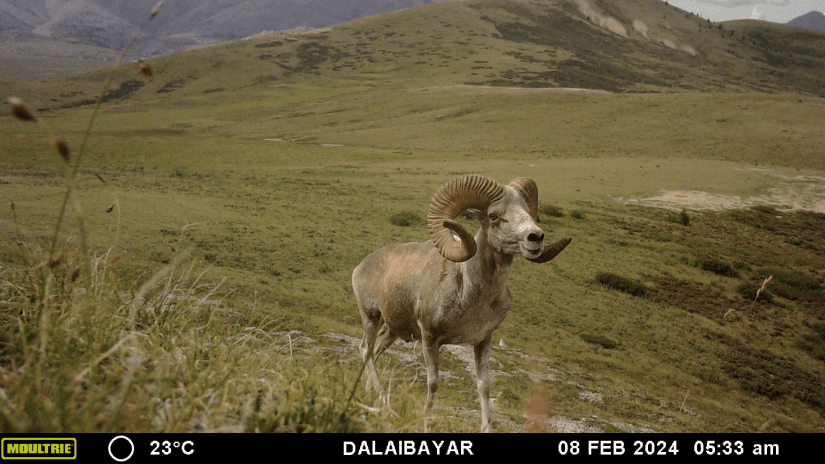
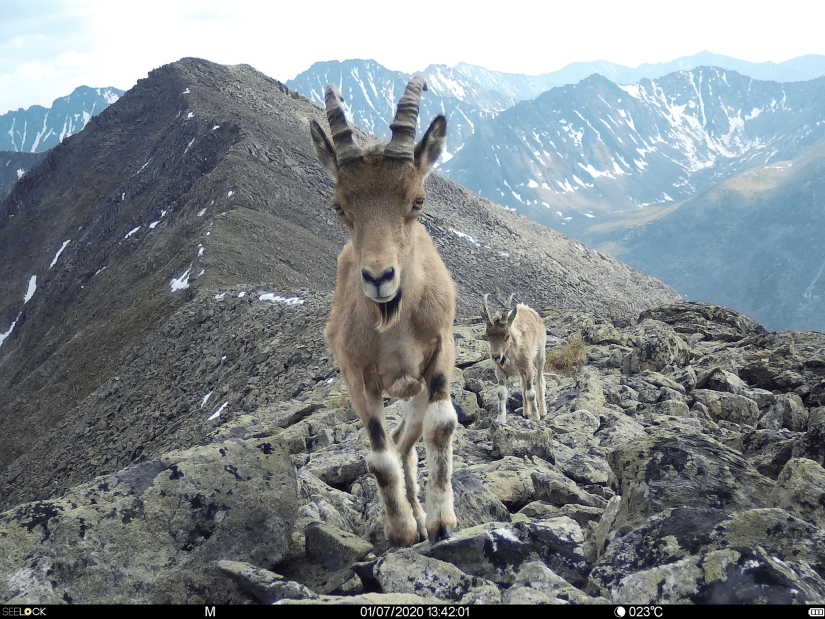
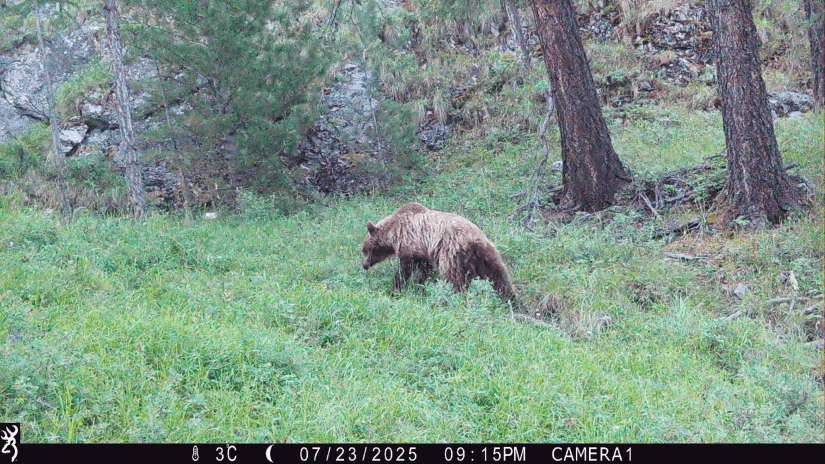
The mountain range is home to argali sheep, ibex, bears, musk deer, and numerous bird species including Altai snowcocks, bearded vultures, vultures, and eagles.
The argali population, which numbered around 200 in the 1960s, had declined to about 25 by 2008. However, following the establishment of the protected area and strengthened conservation measures, populations of red deer, moose, and argali have recovered to approximately 200, while ibex numbers have also increased. The region has since become an important habitat for rare and wild animals.
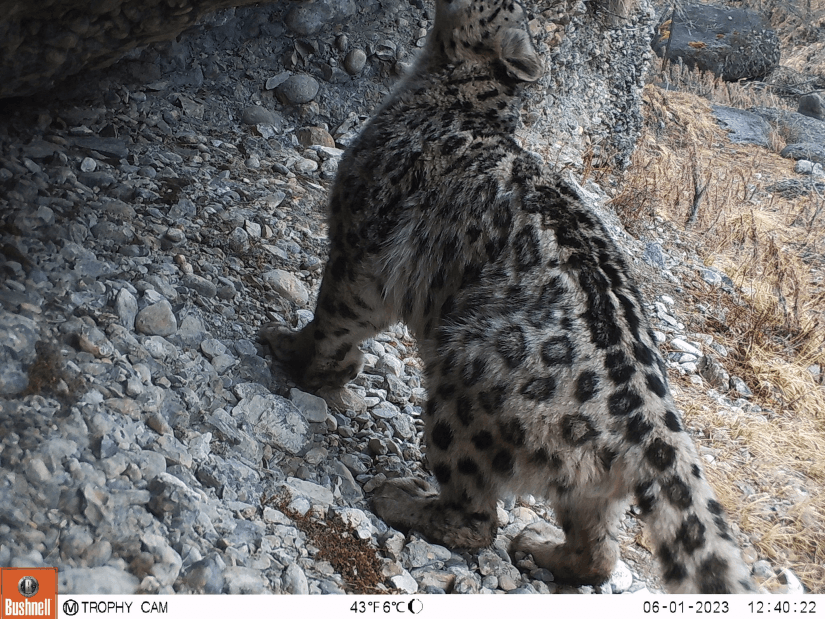
Notably, the snow leopard — which had not been recorded in the region for nearly 50 years — was officially reported in 2019 after migrating through the Sayan Mountains as prey populations recovered within the protected area. Currently, two snow leopards are known to inhabit the range.
The Khoridol Saridag mountains rise more than 2,500 meters above sea level, with steep subsidiary peaks and rugged rocky formations. The highest peak is Delgerkhaan Mountain, standing at 3,093 meters above sea level.
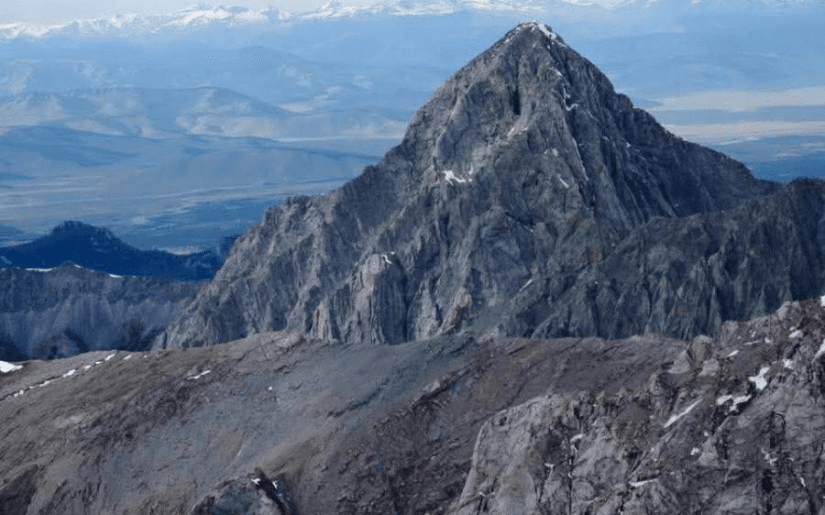
The lower slopes of Delgerkhaan are covered with dense forests, while the middle sections become cliffs and rocky terrain. Higher elevations narrow into snow- and ice-covered summits often shrouded in clouds.
Delgerkhaan Mountain and its surrounding area are increasingly attracting travelers and photographers due to their striking natural beauty.
Visible from as far as 20 kilometers away, the mountain was first climbed by mountaineers from Khuvsgul aimag in 1958. Joint Mongolian-Czechoslovak and Mongolian-Japanese expeditions successfully summited the peak in 1968 and 1998, respectively.
#ETERNAL_MONGOLIA
Ministry of Environment and Climate Change
The Nature Conservancy in Mongolia (TNC)
Mongolian Nature's Legacy Foundation
"Eternal Mongolia" Program

