Loading…
Loading…

MONTSAME
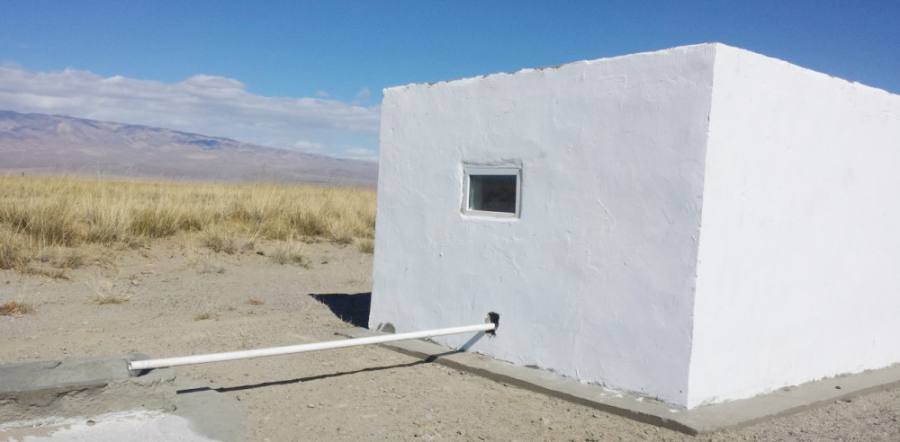
Uliastai, June 2, 2026 /MONTSAME/. Over the past three years, 21 new engineered wells have been drilled and three existing wells rehabilitated across 21 baghs in 15 soums of Zavkhan aimag to improve pasture water supply and strengthen climate change adaptation measures.
The work was carried out under the ADAPT project, formally known as Improving Adaptive Capacity and Risk Management of Rural Communities, with a total investment of MNT 1.2 billion. The project provided 70% of the funding, while the remaining 30% came from local budgets.
According to the ADAPT Project’s 2025 annual report, the newly constructed and rehabilitated wells have delivered tangible results by improving pasture management and increasing access to water. The report noted that the wells not only enhanced water availability for herders but also enabled a more balanced distribution of grazing pressure across pasturelands.
According to the United Nations Development Programme (UNDP), livestock numbers in Zavkhan aimag have increased 1.9 times over the past two decades, while pasture degradation has reached 50.8%. More frequent droughts and dzuds, coupled with declining water resources, have posed significant challenges to herders’ livelihoods.
In response, the ADAPT project has implemented a range of ecosystem-based adaptation measures in addition to improving water supply infrastructure. These include protecting springs, restoring river basins, planting trees, and promoting sustainable pasture use. Restoration and spring protection works have been carried out in Ider and Erdenekhairkhan soums.
Funded by the Green Climate Fund, the ADAPT project is being implemented in Zavkhan aimag from 2021 to 2027. The project also operates in Khovd, Dornod, and Sukhbaatar aimags, aiming to improve the sustainable management of water and pasture resources while strengthening the resilience of herder households vulnerable to climate risks.
Under the project, a total of 112 engineered wells have been newly constructed or rehabilitated across the four aimags.
Zavkhan aimag authorities said efforts to drill new wells and restore abandoned water points will continue in the coming years to further improve pasture water supply. Although the number of wells and water points has increased, the current supply remains insufficient relative to the size of pasturelands and livestock populations.
Officials from the Department of Food and Agriculture of Zavkhan aimag noted that some soums in the Gobi region continue to face livestock water shortages during years with limited snowfall. In many cases, pasture areas remain underutilized due to a lack of water sources despite having sufficient grazing resources. Improved water access and additional wells allow herders to move livestock seasonally and rotate grazing areas more effectively, helping reduce pasture degradation and support sustainable rangeland management.