Loading…
Loading…

Unubold B
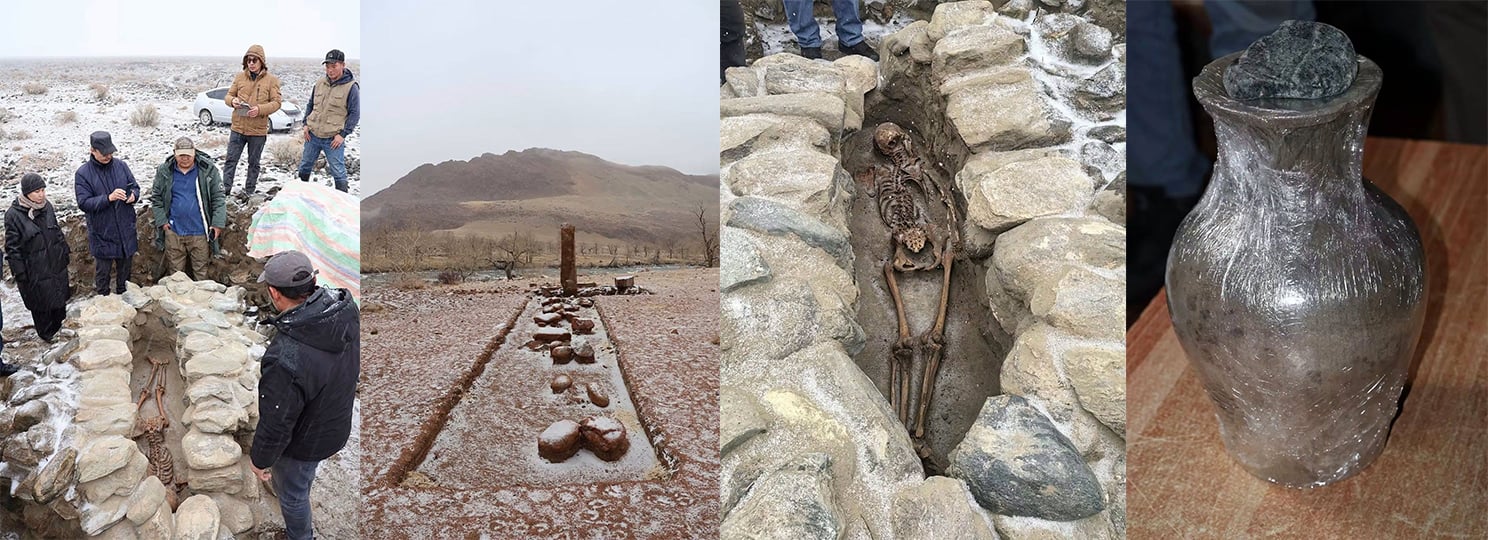
Ulaanbaatar, November 18, 2026 /MONTSAME/. Archaeologists have discovered an ancient grave enclosed by stone slabs in the Khovd River basin, within the area affected by the construction of the Erdeneburen Hydropower Plant. The grave offers insight into the burial practices and daily life of ancient communities. Rescue excavations and research are underway in the area, where the plant is expected to become a key source of power for western Mongolia.
A survey of approximately 28,000 hectares within the project area recorded 608 archaeological sites, 585 of which require rescue excavation and scientific study. Among the finds are stone-cist graves built from large, flat slabs carefully arranged to form rectangular coffins large enough to hold a body. The graves are part of the cultural heritage of ancient nomadic communities in the Mongolian Altai. Under the coordination of a working group from the Ministry of Culture, Sports, Tourism and Youth, six Mongolian research institutions have completed the first phase of excavations, covering more than 200 sites. Research will continue through the end of 2027.
Munkhbayar Ch., head of the archaeological research team, said, “In connection with the Erdeneburen Hydropower Plant project, we have proposed establishing Mongolia’s first specialised museum centred on the rare artefacts discovered in the area and have begun discussing the proposal with the relevant institutions. The museum would allow us to preserve the cultural heritage recovered from the future reservoir area on site and present it to Mongolian and international visitors.”
Research to safeguard the area’s tangible cultural heritage is scheduled to continue through the end of 2027. Discussions with the relevant institutions have begun on the proposal to establish a specialised museum featuring the finds.
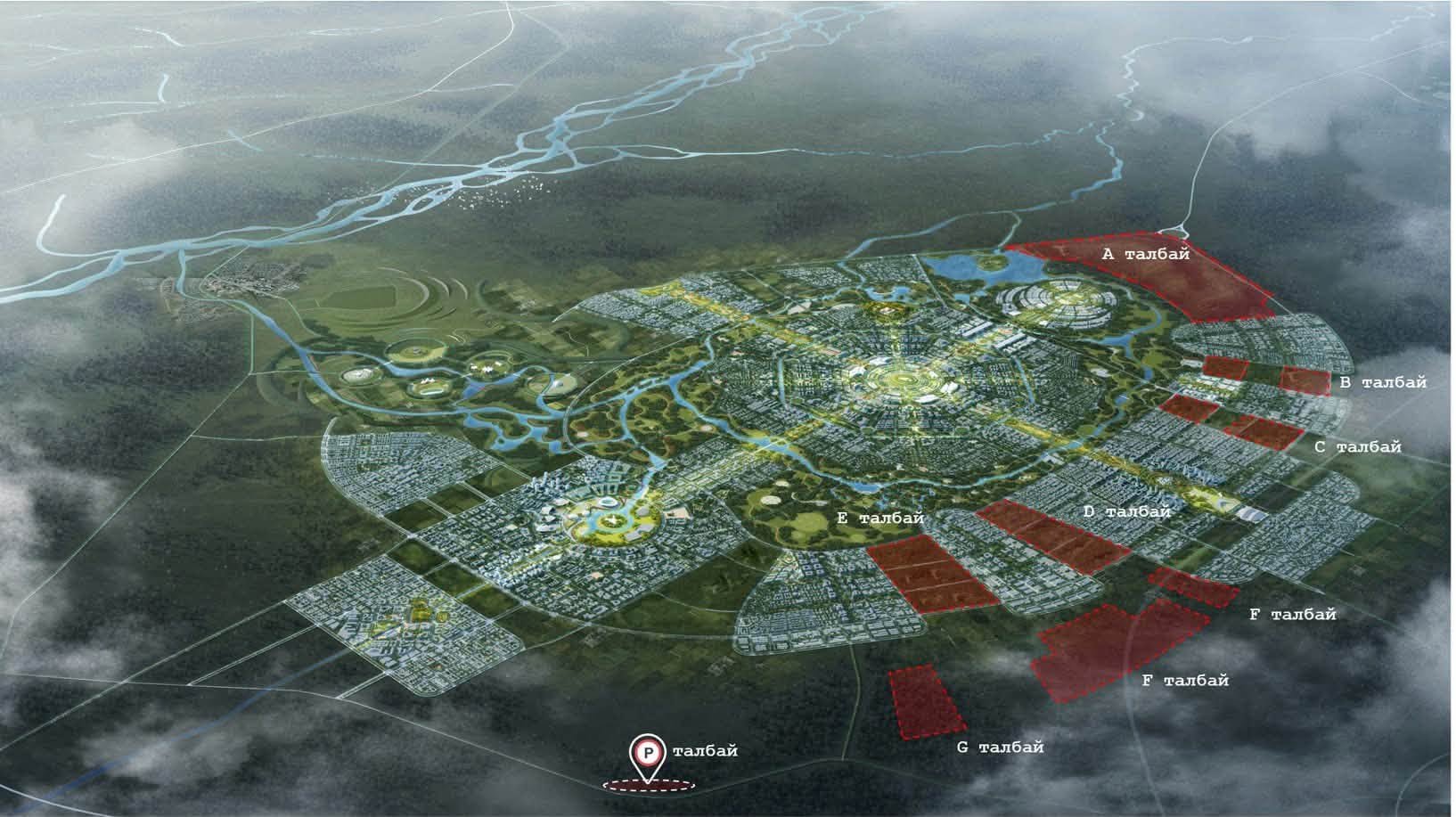
UVURKHANGAI: Construction Projects for New Kharkhorum City to Begin
Politics EN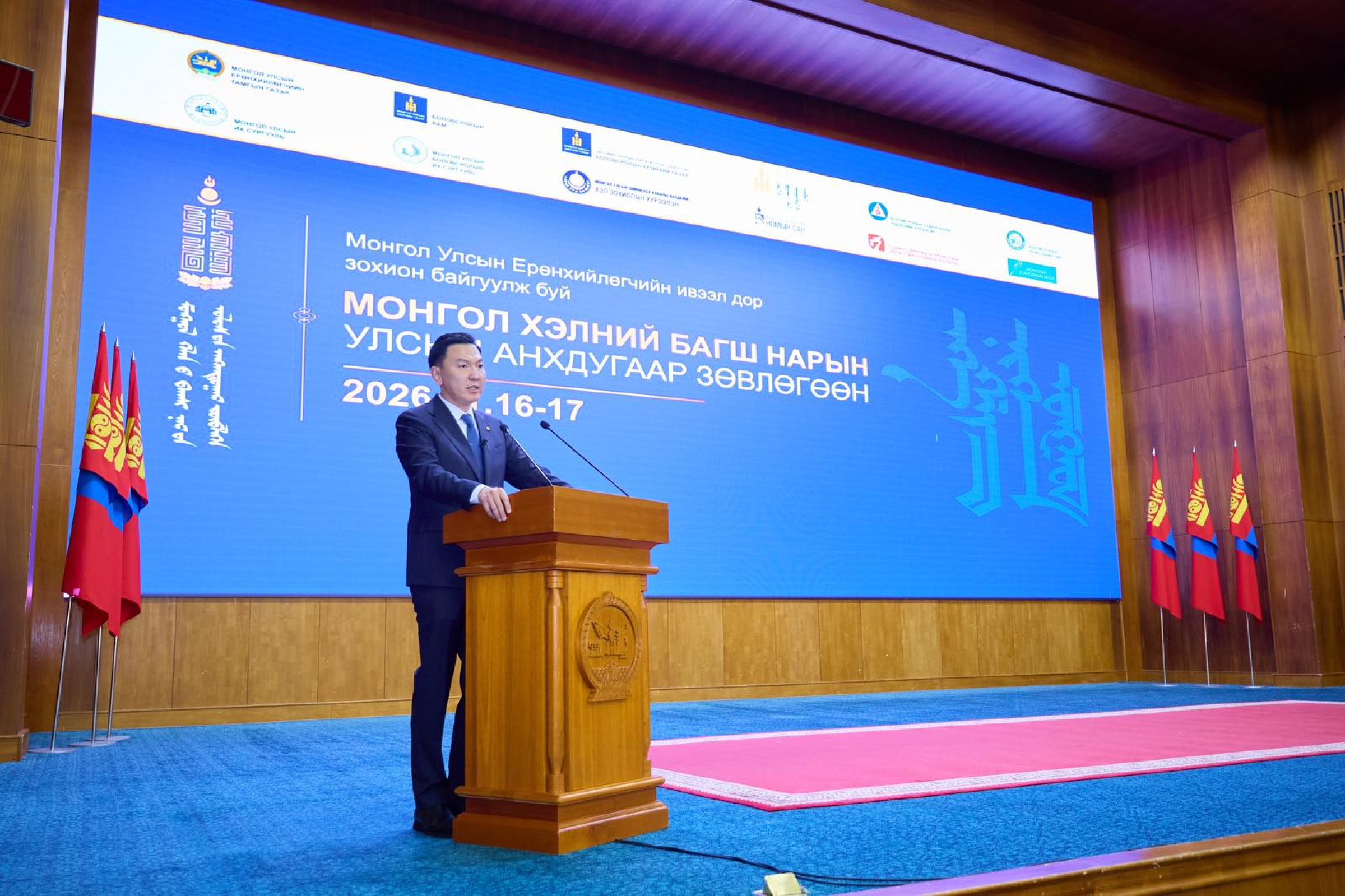
Prime Minister Uchral: Mother Tongue Is the Spiritual Foundation and a Safeguard of National Independence
Natsagdorj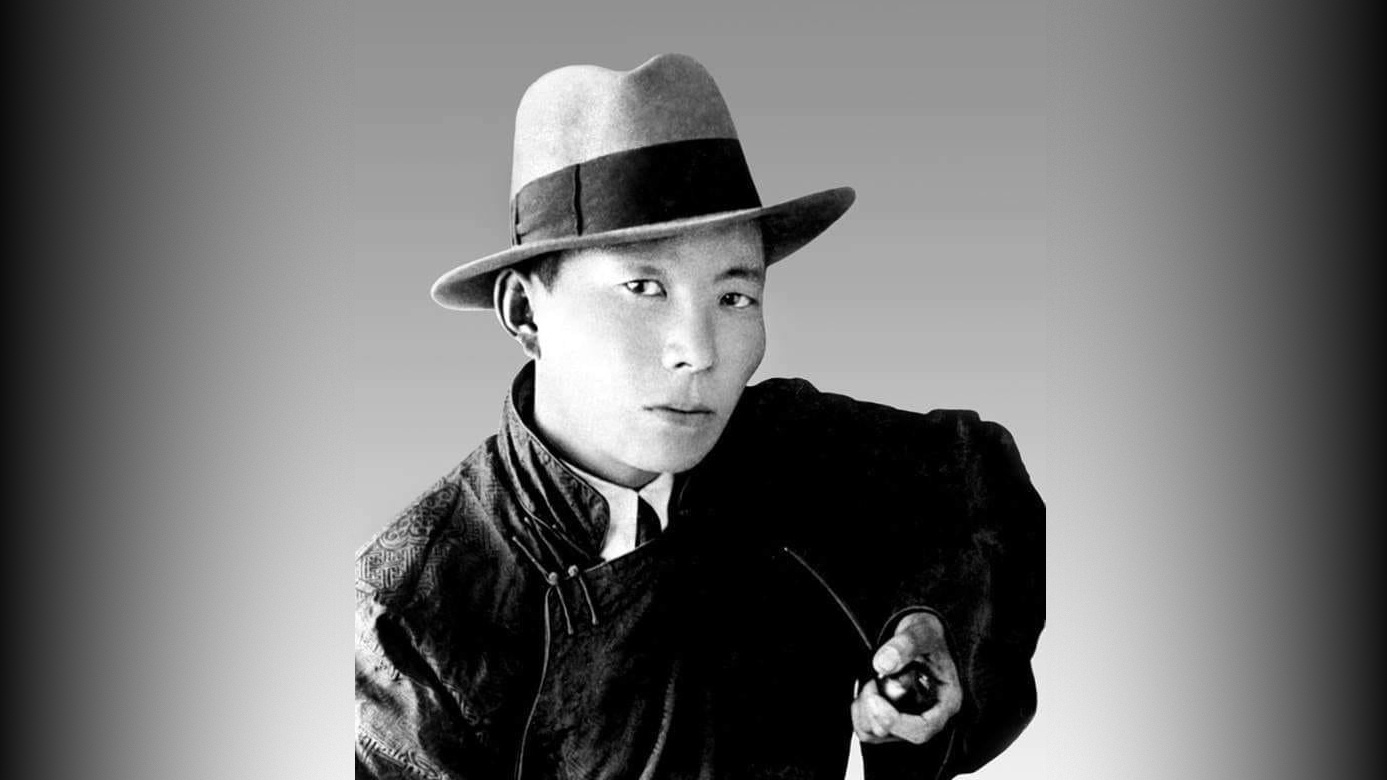
Today Marks The 120th Anniversary of The Birth of Natsagdorj, The Father of Modern Mongol Literature

