Loading…
Loading…

MONTSAME
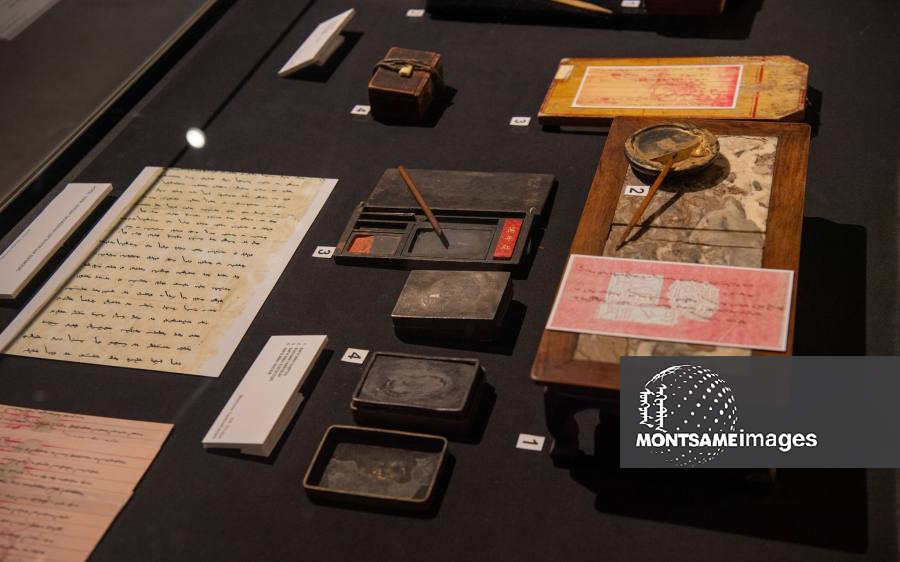
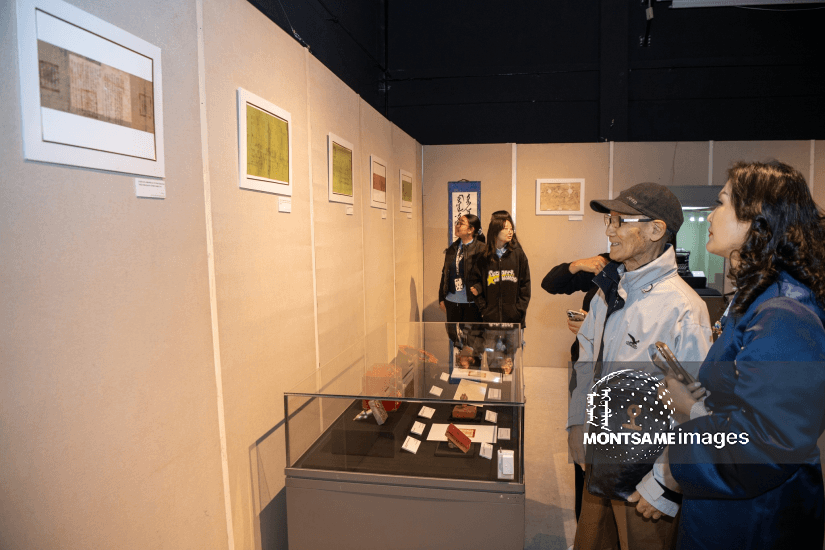
Ulaanbaatar, May 1, 2026 /MONTSAME/. The National Script Day will be observed on May 3, 2026. In anticipation of the occasion, the General Authority for Archives and the National Museum of Mongolia jointly have opened a special exhibition titled “The Script and Cultural Heritage of the Mongols,” showcasing the heritage of the national script and the traditions of the Mongol literary culture on May 1, 2026.
Pursuant to Presidential Decree No. 105 issued in 2003, the first Sunday of May each year has been designated as National Script Day. Since then, various activities have been organized to study and promote the national language and script, related customs and traditions, and to encourage children and youth to learn the traditional Mongolian script.
During the opening ceremony, organizers highlighted the value and significance of the national script.
 Dr. Nyamgerel L., Head of the General Authority for Archives, stated:
“Writing is not merely a means of communication; it is a priceless heritage that has carried our national history and culture into the present day. We learn history through documents, and documents are preserved through writing. Our ancestors recorded their history in the traditional Mongolian script. Although the use of the script was interrupted for a period, the law on transitioning state administrative affairs to a dual-script system is now being implemented, and efforts to revive the national script are gaining momentum.
Therefore, I encourage visitors not only to view the documents displayed at today’s exhibition but also to try reading them in Mongolian script. Among these materials may well be records related to your fourth, fifth, or sixth-generation ancestors. The General Authority for Archives remains open to anyone interested in tracing their lineage or studying Mongolian and Manchu-language documents preserved since the Manchu period.”
 Dr. Narangerel N., Head of the Secretariat of the National Council for Language Policy under the President of Mongolia, spoke about the progress achieved during the first year since the introduction of the dual-script system in state administration:
“Training materials for civil servants have been introduced, and three standards related to the national script are now being implemented. According to surveys, 79.3% of civil servants are proficient in the national script, and 68% of institutions are conducting official documentation using the dual-script system. The exhibition, which presents more than 100 rare archival documents and over 30 museum exhibits, plays an important role in promoting the value and historical significance of the national script to the public.”
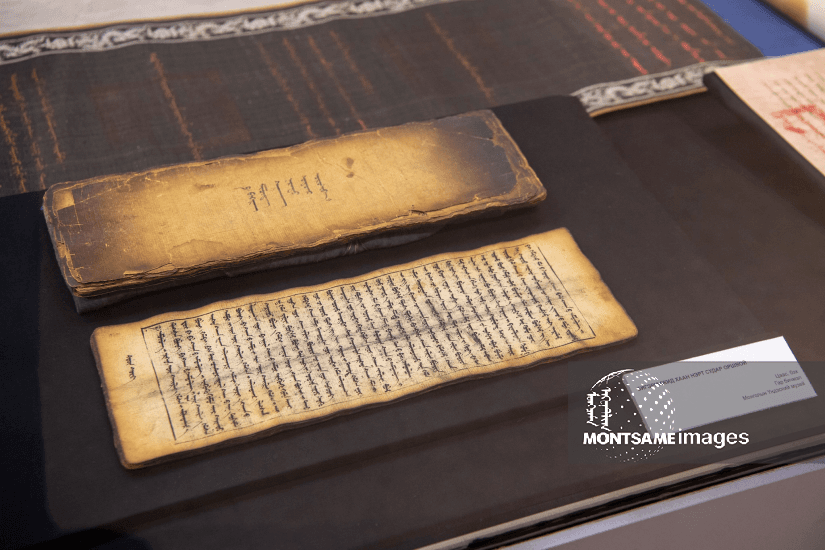
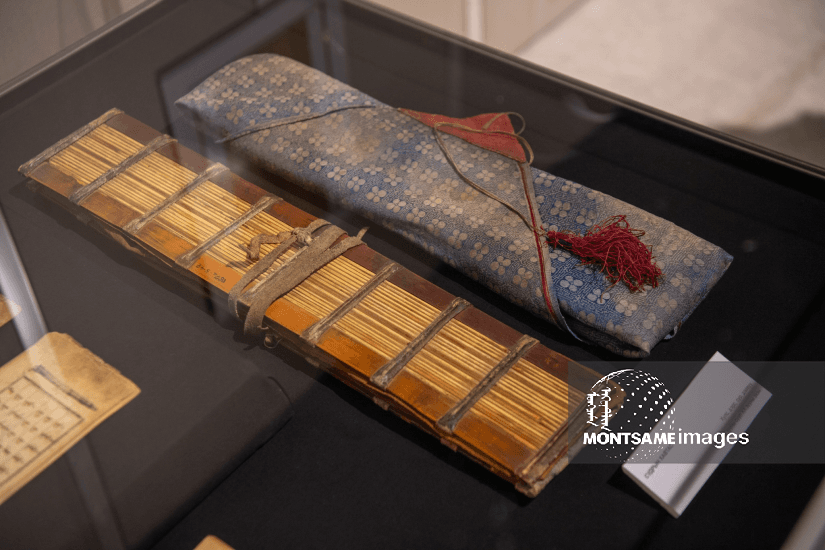
The exhibition features notable artifacts from the collections of the National Museum of Mongolia, dating from the 17th to the 20th centuries, including fragments of traditional birch-bark manuscripts, seals, writing instruments such as brushes and ink, ash boards used for writing practice, and writing desks, all of which attracted strong public interest.
The exhibition will be open to visitors at the exhibition hall of the National Museum of Mongolia from May 1 to 7, 2026.
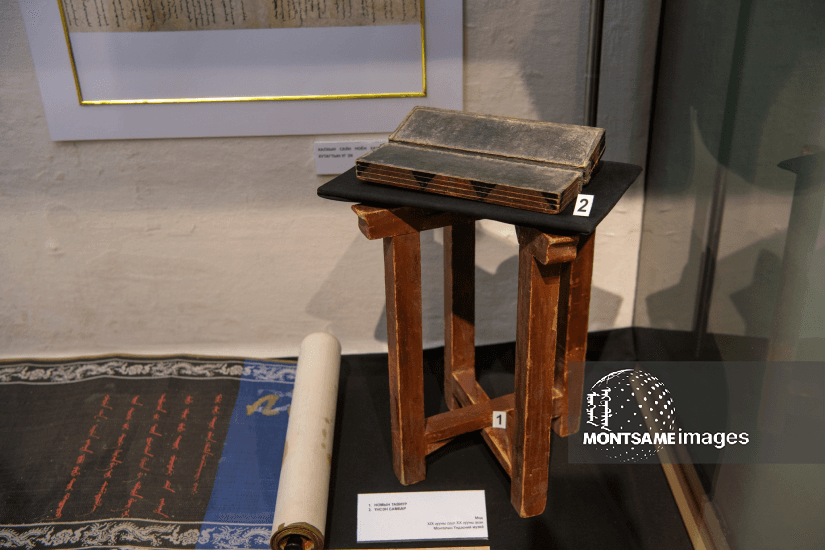
1. Bookshelf 2. Ash writing board
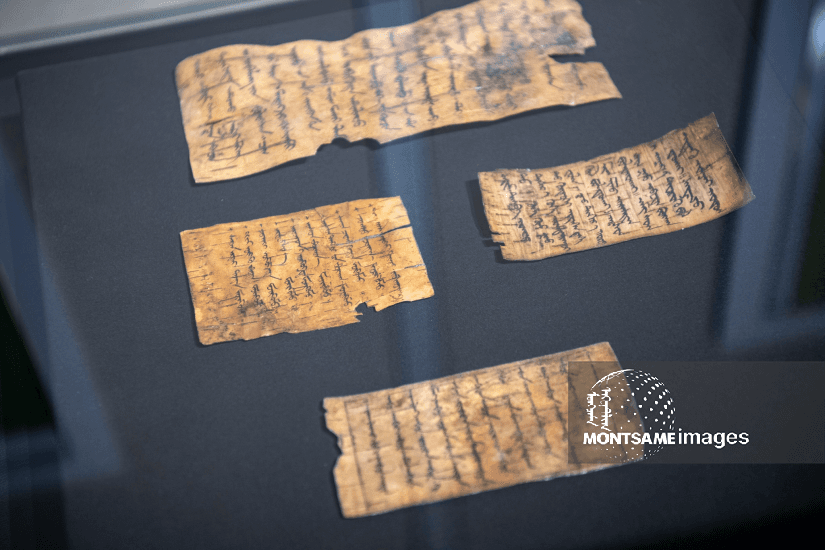
Fragment of a birch-bark manuscript
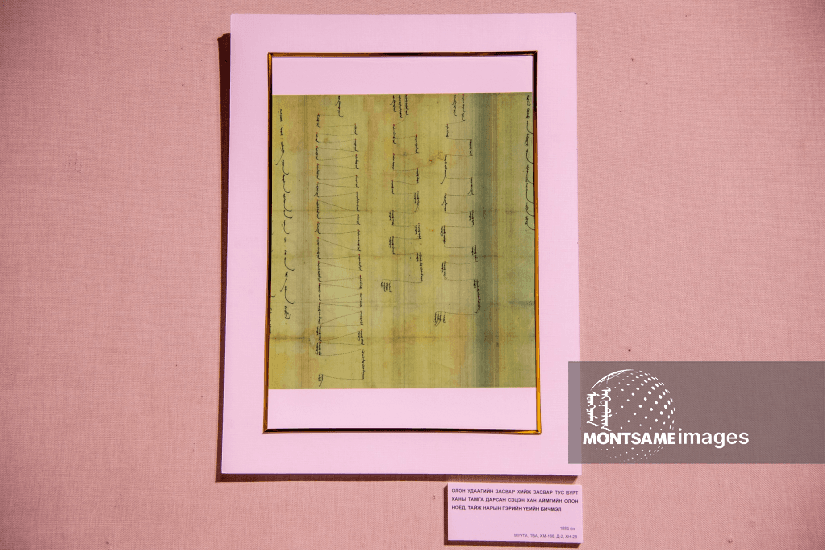
Household genealogical manuscript of the princes and taijis of Setsen Khan Aimag, revised multiple times, with an official seal affixed for each revision. 1885
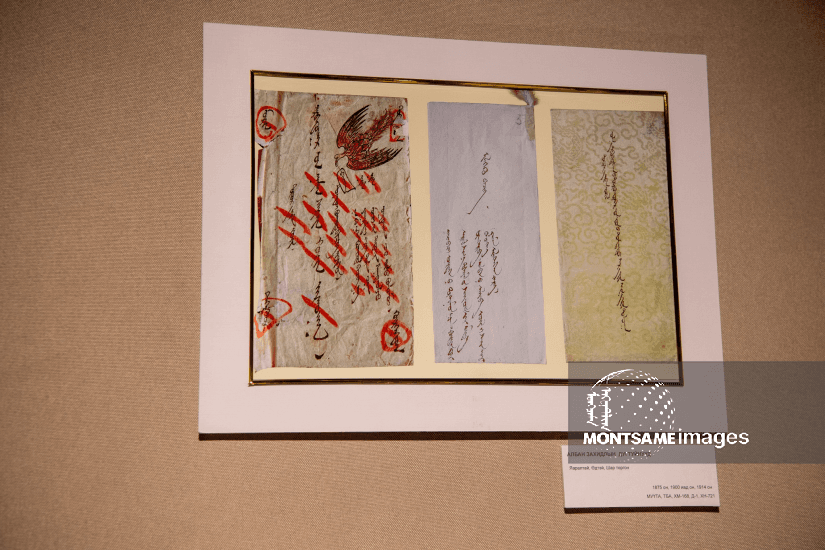
Official letter envelopes (Urgent, Feather-marked, Yellow silk)
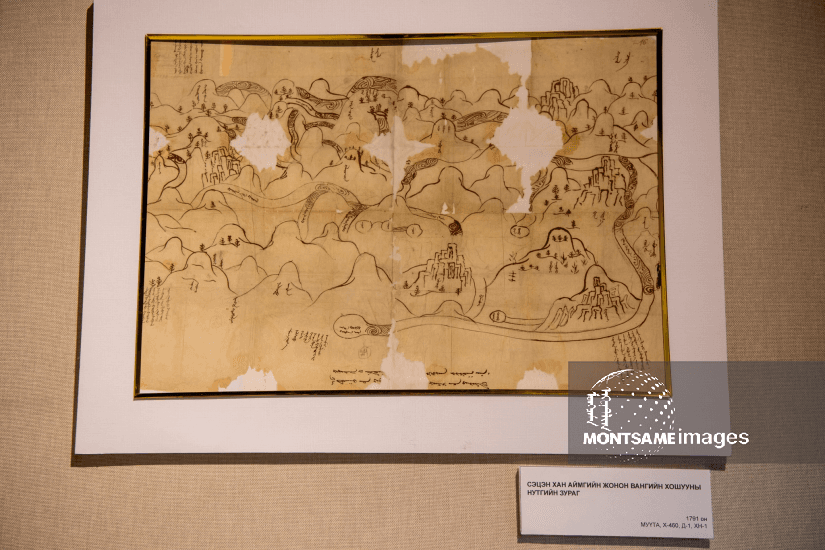
Map of the territory of the Jonon Van Banner of Setsen Khan Aimag. 1791
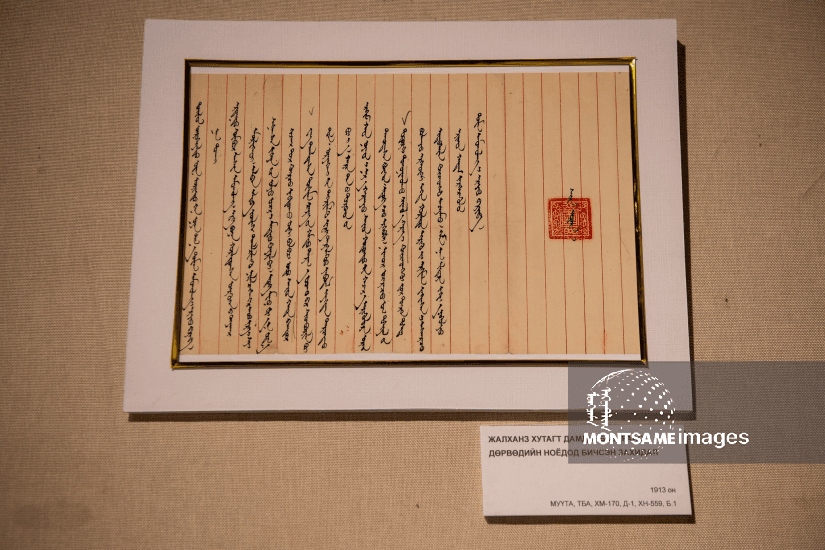
Letter written by the Jalkhanz Khutagt Damdinbazar to the Durvud nobles. 1913
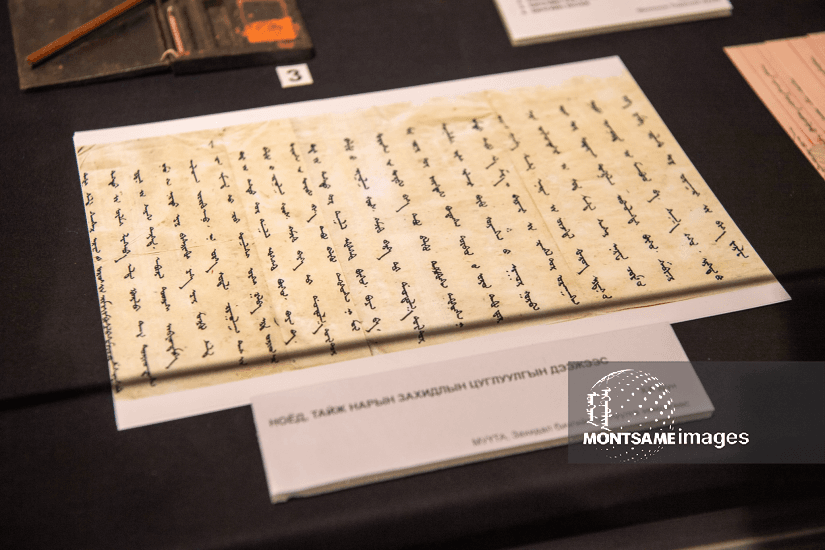
Sample collection of letters from nobles and taijis
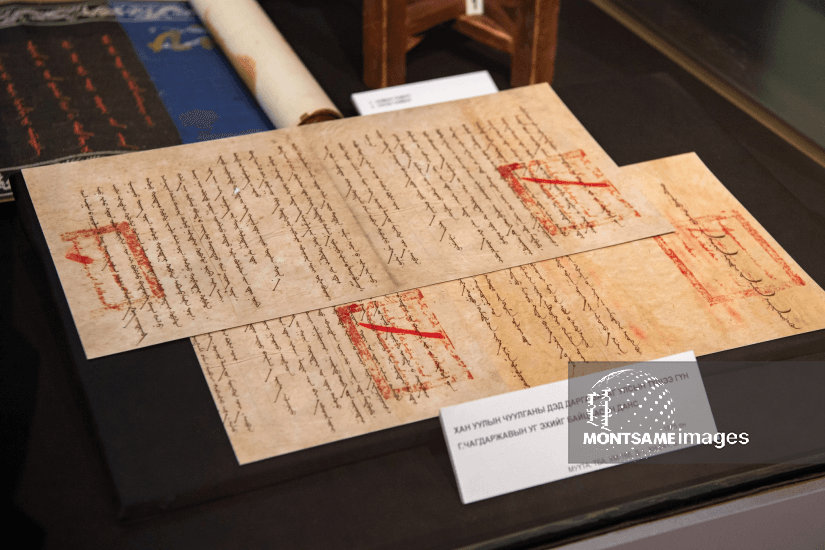
Record of the original inquiry into the lineage of G. Chagdarjav, Vice Chairman of the Khan Uul Assembly and state official with the title of Gun. 1905
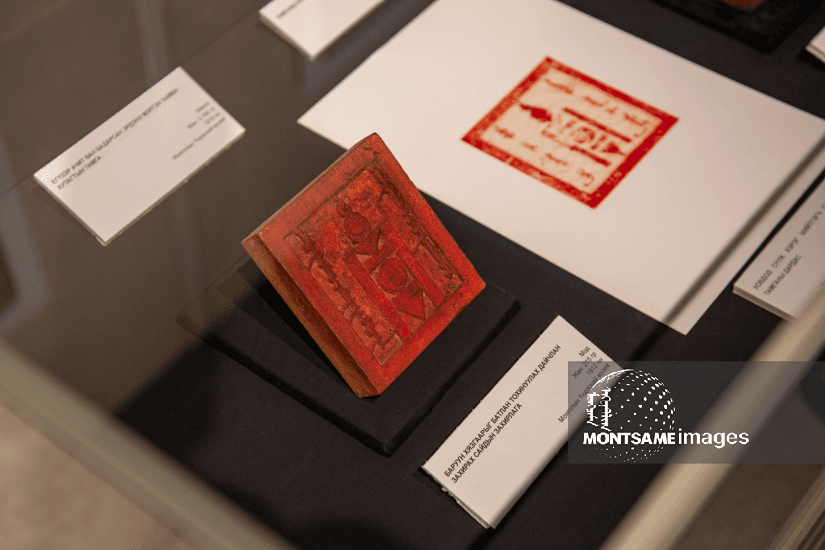
Order of the Minister for Pacifying and Governing the Western Frontier Forces. 1912
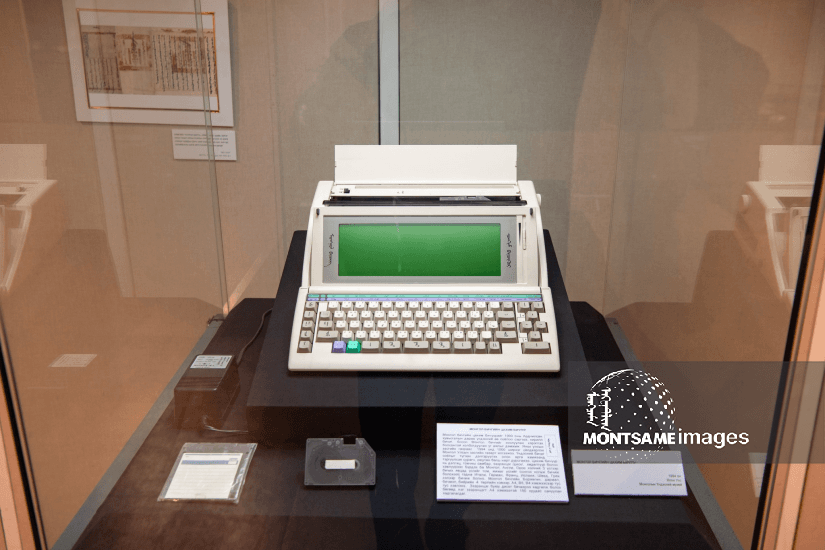
Electronic Mongolian script typewriter. In 1994, 1,000 units were produced in Japan and sent to the Government of Mongolia
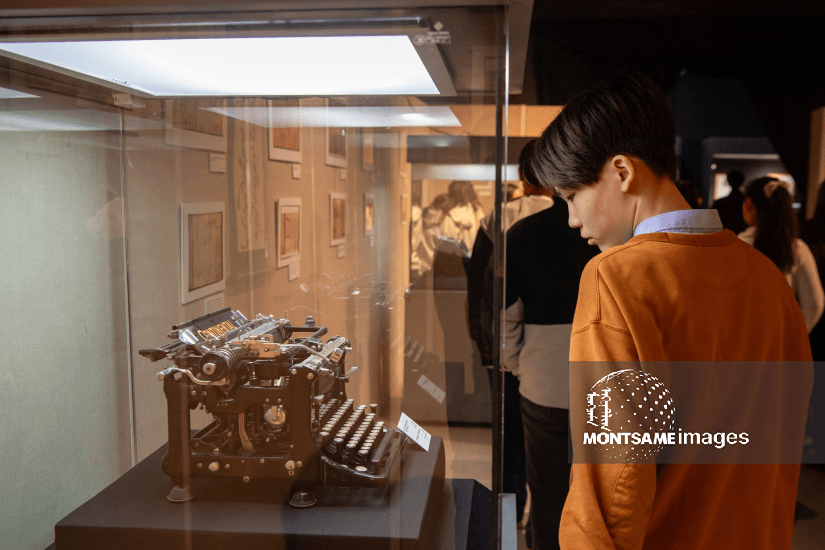
“Continental” traditional Mongol script typewriter. Germany, 1925
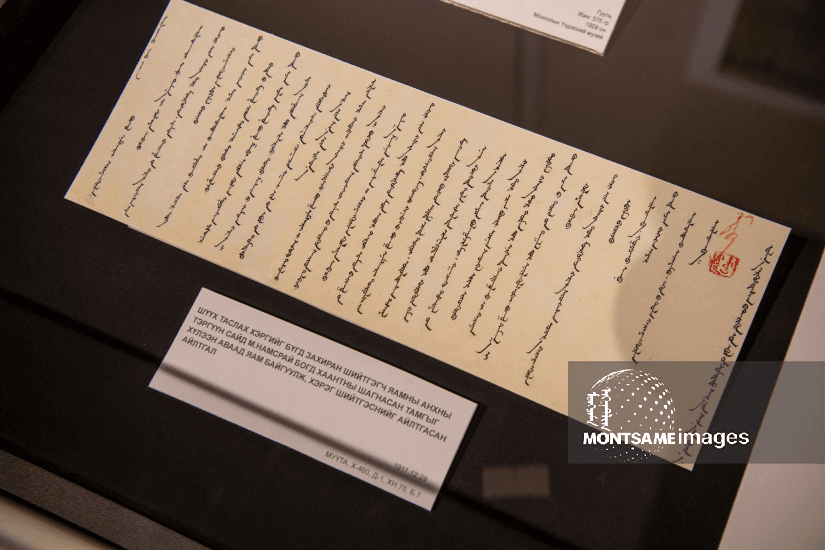
Ailtgal (Petition) document. December 29, 1911