Loading…
Loading…

MONTSAME
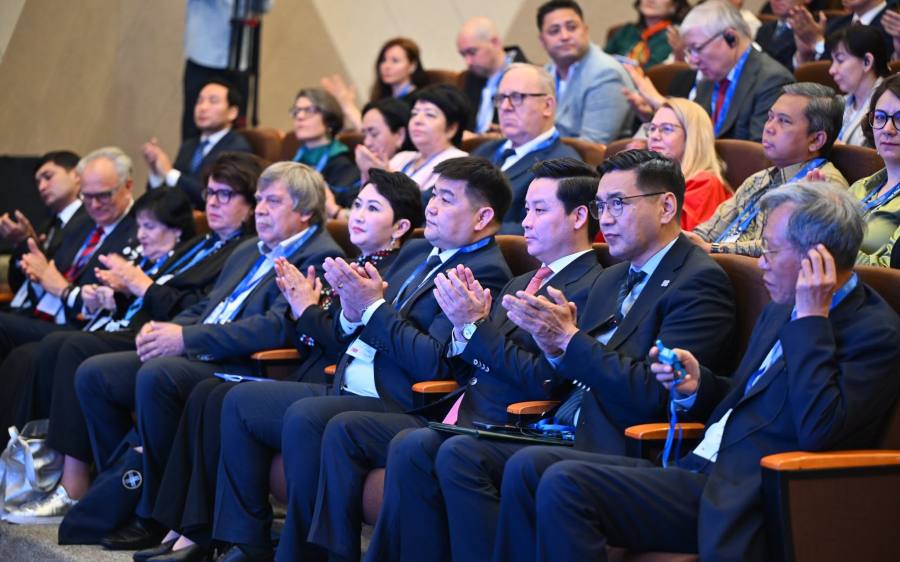
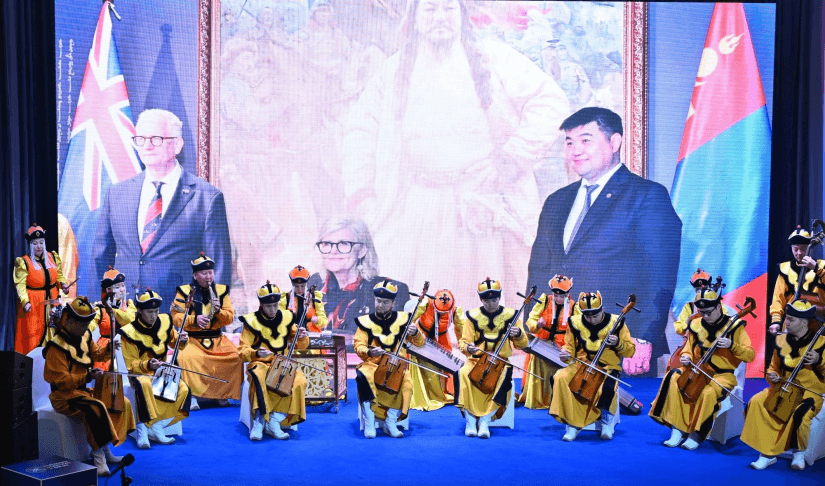
Ulaanbaatar, June 15, 2026 /MONTSAME/. The first international museum forum, “The Eurasian Exchange: Future Gateways and Multilateral Cooperation,” opened on June 15 at the Chinggis Khaan National Museum under the auspices of President Khurelsukh Ukhnaa.
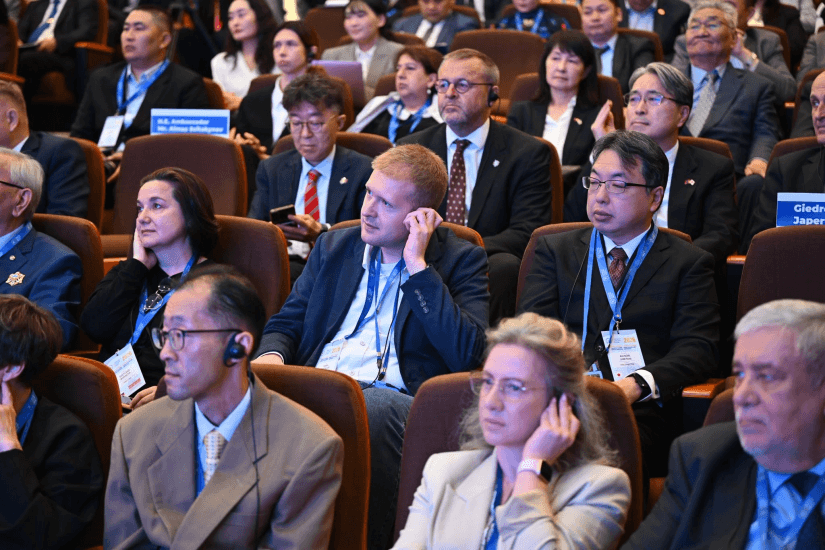
The forum, which runs from June 15 to 20, has brought together about 200 representatives, including museum directors, scholars, and researchers from 55 museums in more than 20 countries. Participants will discuss museum development, cultural heritage preservation, digital museums, innovation, marketing, policy, strategy, and international cooperation.
At the opening ceremony, Chief of Staff of the Office of the President Uilstuguldur Altankhuyag delivered a message from President Khurelsukh. In his message, the President expressed gratitude to museum professionals around the world for preserving, promoting, and educating the public about humanity’s cultural heritage.
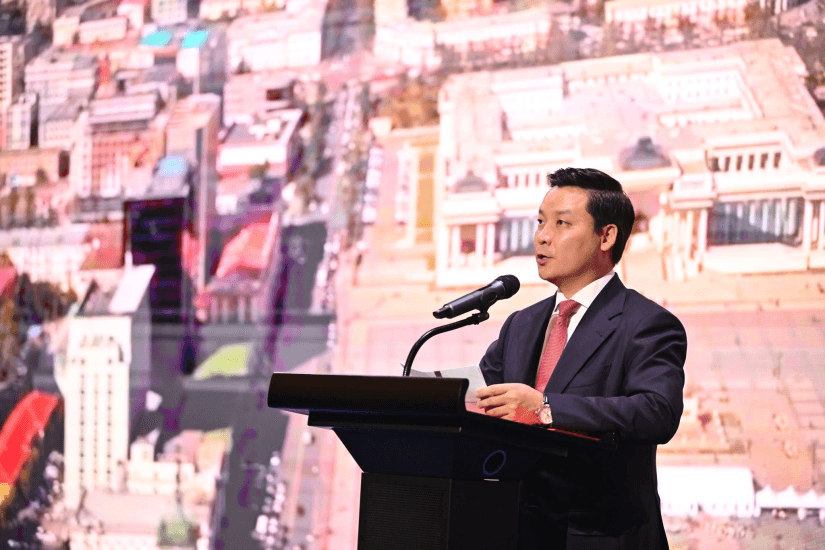
He expressed his confidence that cooperation among museums would contribute significantly to strengthening cultural and knowledge exchange and fostering friendship among peoples. The President also pledged support for initiatives aimed at expanding professional exchanges, implementing joint projects and programs, and promoting cooperation in research, conservation, collections management, exhibitions, and education.
As part of President Khurelsukh’s state visits abroad, the Chinggis Khaan National Museum has organized major exhibitions and signed cooperation agreements with museums in host countries. These include exhibitions such as “Chinggis Khaan: How the Mongols Changed the World,” “Chinggis Khan and the Mongol World,” “The Mongols and the Silk Road,” and “Zanabazar: The Wisdom of the Steppes,” presented in museums in France, the Czech Republic, and Switzerland. The museum is also preparing to stage exhibitions in Germany, Poland, and Lithuania, while special exhibitions are planned in Tajikistan, Kyrgyzstan, Kazakhstan, Turkmenistan, Azerbaijan, and Uzbekistan.
The International Council of Museums has designated 2026's International Museum Day theme as “Museums Bridging Divided Worlds.” The theme emphasizes the role museums can play in reducing cultural, social, and geopolitical divisions by promoting dialogue, mutual understanding, inclusiveness, and peace.
Academician Chuluun Sampildondov, Director of the Chinggis Khaan National Museum, said museum leaders from across Eurasia and beyond had gathered in Mongolia to discuss the protection of cultural heritage and future cooperation.
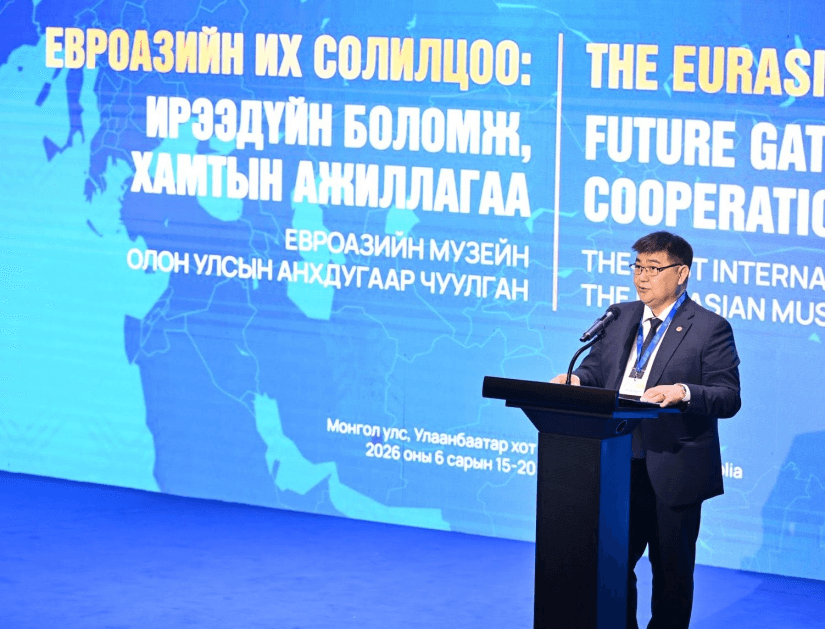
“Such a large-scale, high-level gathering of museum professionals has never before been held in Mongolia. It demonstrates the expansion of international cooperation following the establishment of the Chinggis Khaan National Museum, growing global interest in Mongolia’s history, culture, and nomadic heritage, and the tangible results of Mongolia’s cultural diplomacy,” he said.
Mr. Chuluun added that directors of museums from countries including the Czech Republic, France, and Germany—partners in major overseas exhibitions showcasing Mongolian heritage—were attending the forum. "We are also discussing cooperation on future international exhibitions to be organized in Mongolia. The Hungarian National Museum is planning an exhibition related to King Attila in Mongolia, while efforts are underway to bring original works by Raphael from Italy. Preparations are also underway to bring a comprehensive collection of artifacts from the Ilkhanate period from Italian museum collections to Mongolia this November. These are tangible results of cooperation among museums," said Director of the Chinggis Khaan National Museum Chuluun.
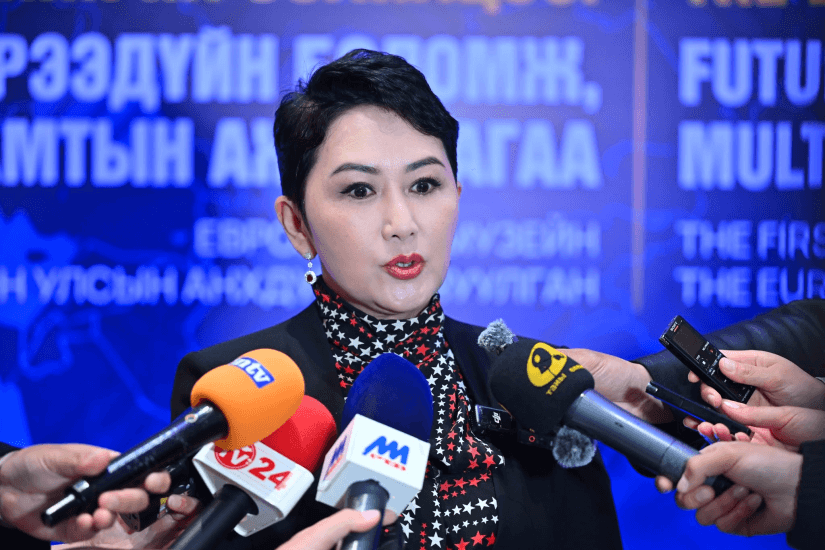
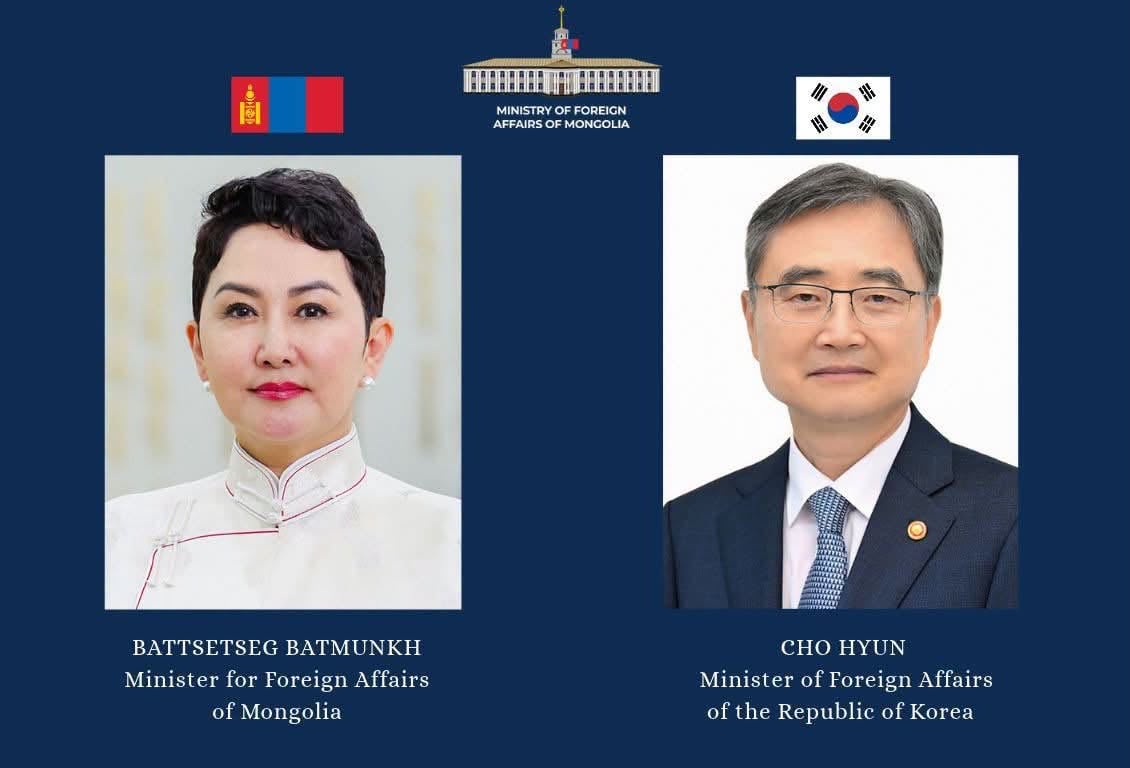
Foreign Minister Battsetseg Batmunkh said, "In recent years, Mongolia's foreign relations have expanded and become increasingly active. We regard this forum as an unprecedented event aimed at strengthening cultural ties among Eurasian countries. Since the establishment of the Chinggis Khaan National Museum, it has made a significant contribution to advancing Mongolia's cultural relations and strengthening our soft-power policy. Cultural diplomacy has become an integral component of the President’s state visits abroad. By presenting our museum collections abroad, we have created an effective model for promoting Mongolia through cultural diplomacy alongside political and economic cooperation. I am confident that the museums and cultural institutions participating in this forum will develop productive and successful cooperation with the Chinggis Khaan National Museum in the future."
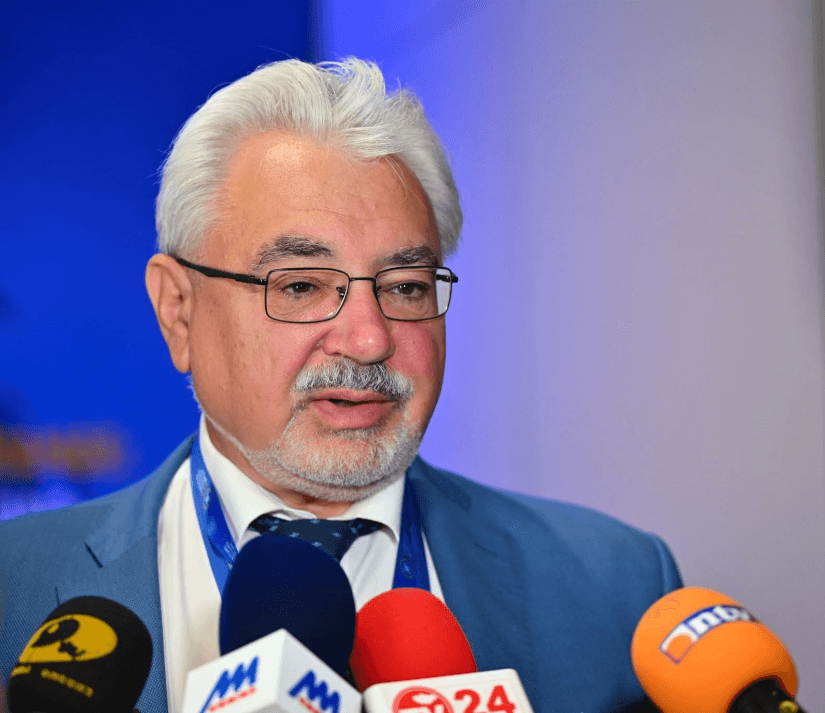
Alexey Bogdanov, Deputy Director of the State Hermitage Museum, said, "The opportunity for museum leaders from many countries to gather in one place, exchange experiences, and learn from one another will make a valuable contribution to the development of the museum sector. The Hermitage holds extensive collections related to Mongolian history and culture. Our museum has a major Department of Oriental Studies, including a dedicated section devoted to Mongolia's history and cultural heritage. Visitors can explore these collections, including the Mongolian section, through virtual tours available on the museum's website."
At the conclusion of the forum, Eurasian museum representatives will visit the historic sites of Karakorum, Erdene Zuu Monastery, heritage sites of the Uyghur Khaganate and Turug Khaganate, and other museums, experiencing Mongolia’s nomadic culture and heritage.