Loading…
Loading…

MONTSAME
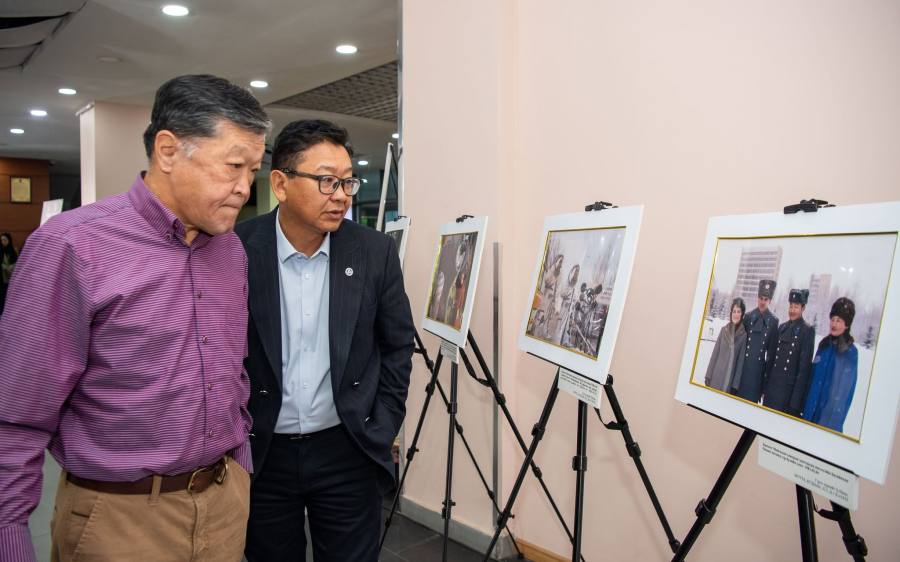
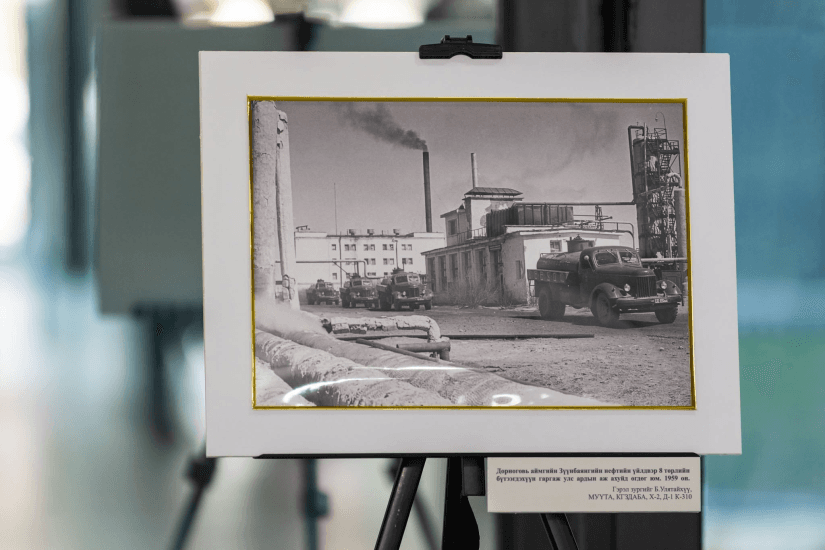
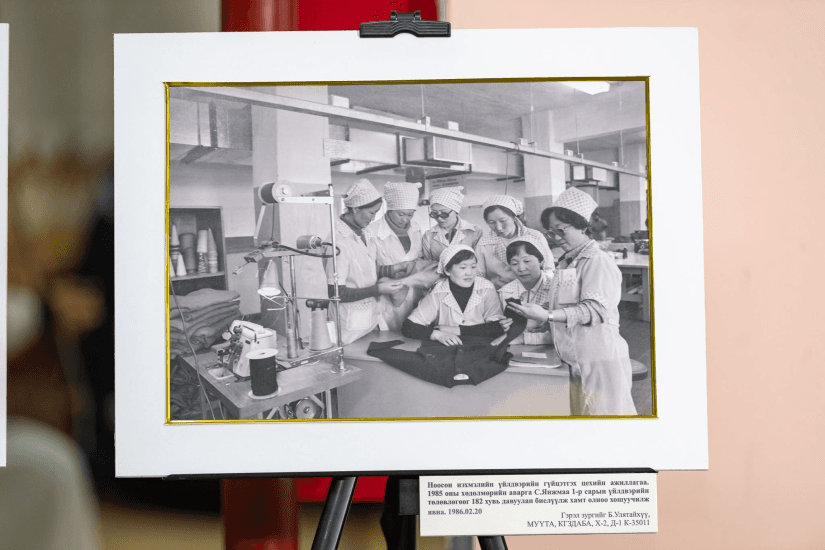
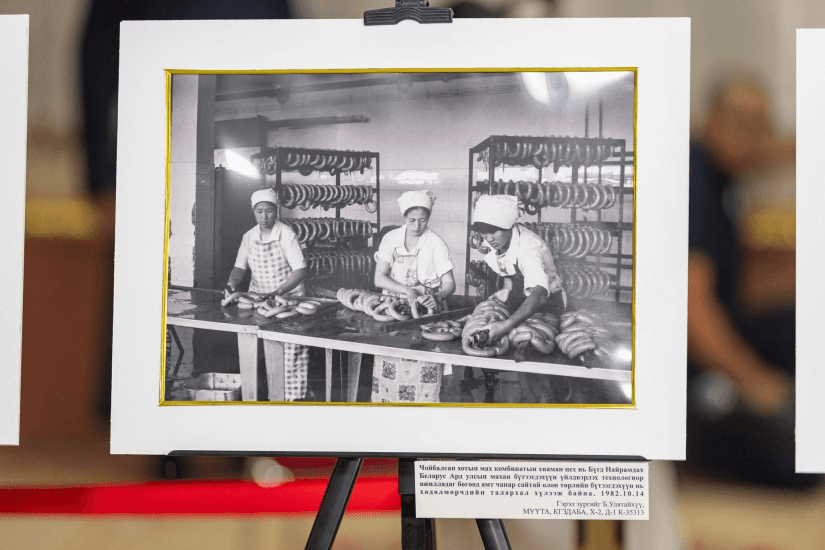
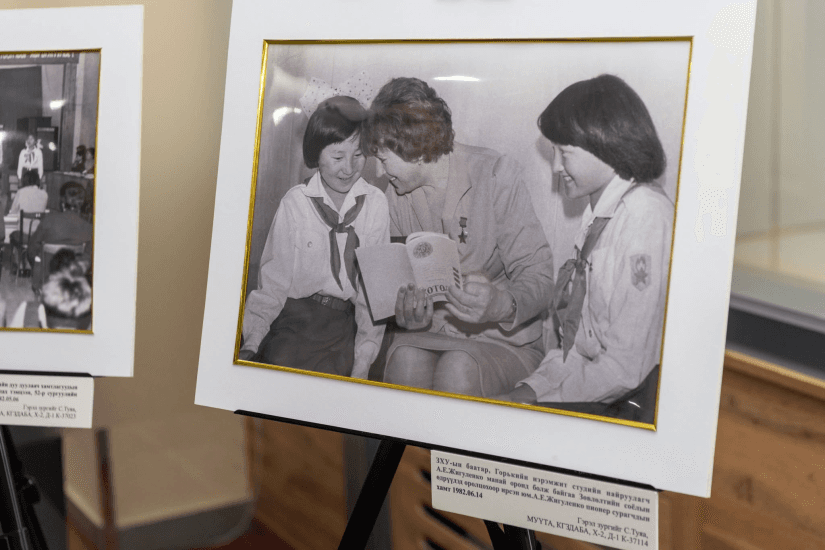
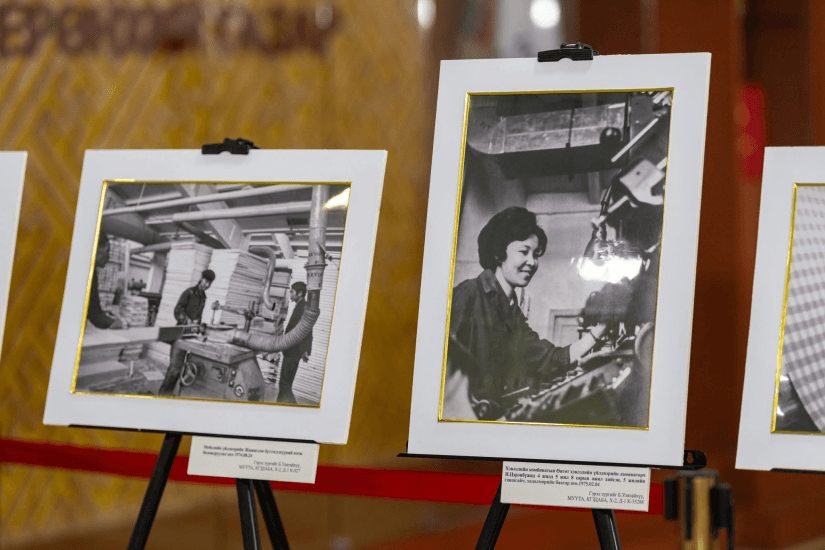
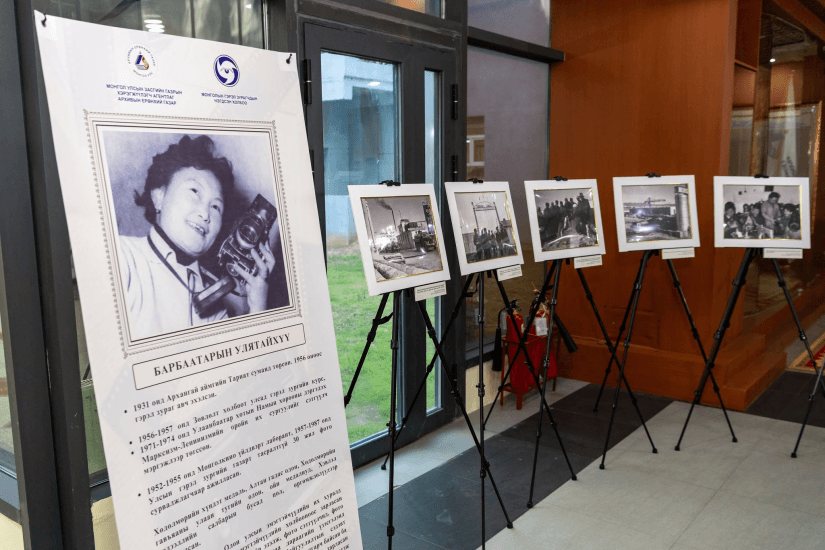
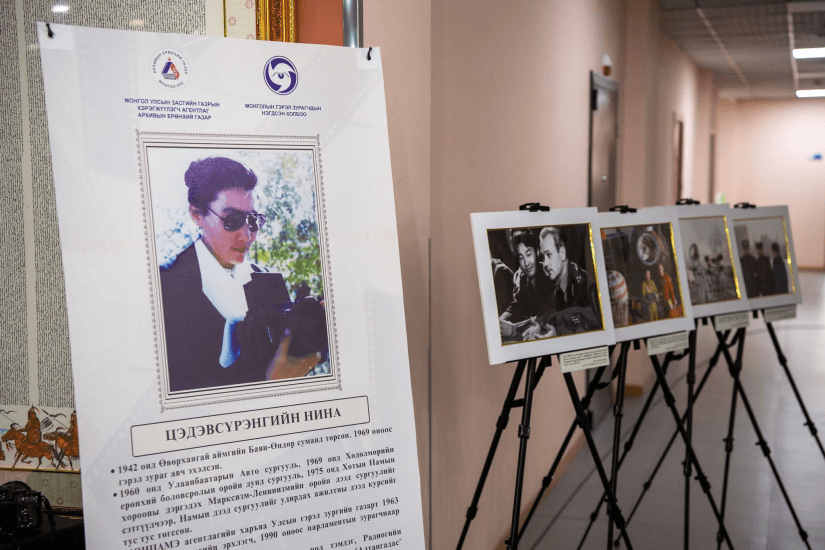
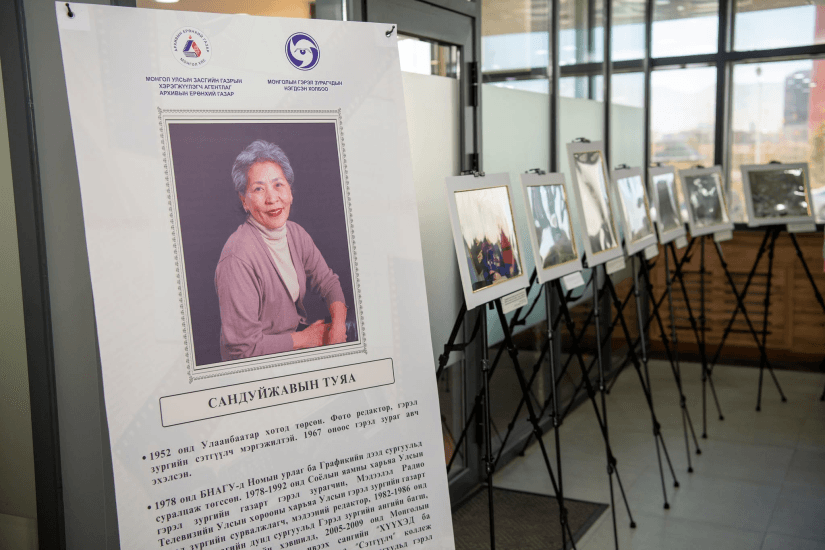
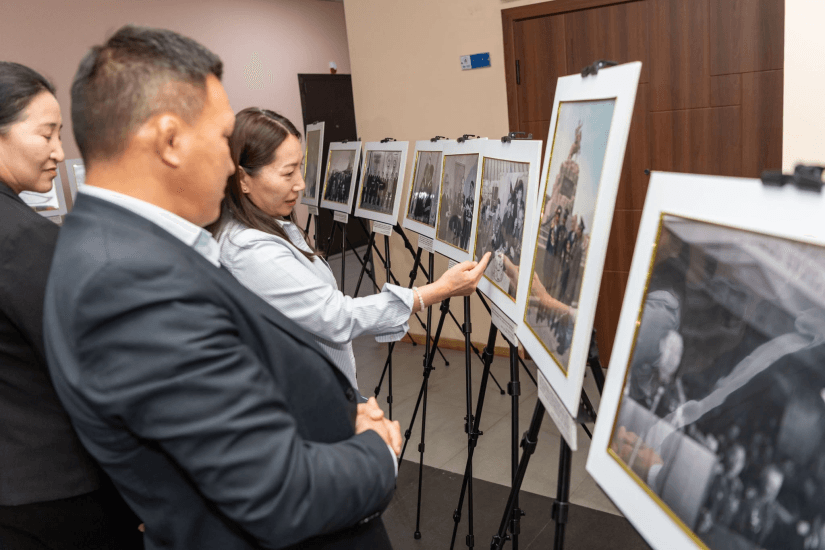
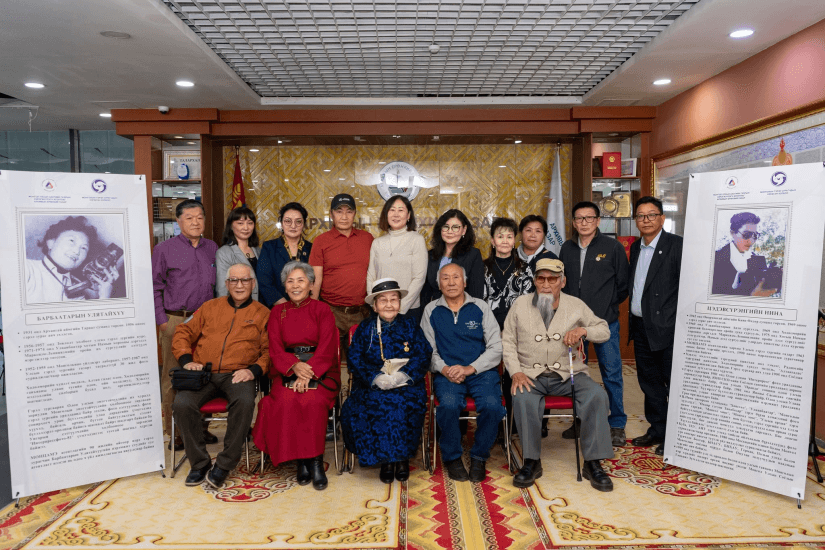
Ulaanbaatar, October 14, 2026 /MONTSAME/. On the occasion of UNESCO's World Day for Audiovisual Heritage and as part of the 200th anniversary of the invention of photography, an exhibition featuring the works of Uliataikhuu Barbaatar, Mongolia’s first female photographer, and her disciples Nina Tsedevsuren and Tuya Sanduijav, opened on October 13, 2026, at the General Authority for Archives complex.
The General Authority for Archives traditionally marks this day every year by presenting rare and precious photographic treasures preserved in the National Central Archives collection to the public. Organized in collaboration with the United Association of Mongolian Photographers, this year’s exhibition aims to introduce and promote the history and creative works of Mongolian female photographers.
The exhibition features selected photographic works by Uliataikhuu B. alongside her students Nina Ts. and Tuya S.
These works highlight the history of the origin and development of photography in Mongolia while demonstrating the valuable contributions, dedicated labor, and artistic merit of female photographers to the evolution of this art form.
While previous exhibitions have showcased photographers' works to the public, this event specifically highlights the creative legacy and historical contributions of female photographers. It serves as an important initiative to raise public awareness of photographic history, pass it on to future generations, and honor the achievements and contributions of artists who made significant impacts on the art of photography.
 During the opening ceremony, Tuya S., one of
Mongolia’s first female photographers, shared her memories: "I never
really thought before that my works were kept in the archives. Looking at the
photographs displayed here brings back many fond memories and stories. The
images clearly capture Mongolia's industrial development, social life, and
major events of that period. In particular, this exhibition plays a significant
role in helping today’s younger generation understand and appreciate the
history of construction and industrial development that began in the 1960s. After working as a photographer for about four
years, I transitioned into editorial work, which left me with fewer
opportunities to continue taking photos. Looking back at when I first started
taking pictures brings back wonderful memories. When I was in secondary school,
I used to take photos of my classmates. Those memories remain vivid in my
heart. Our School No. 33 was built and commissioned with the assistance of the
Soviet Union in 1966. When we began studying in our new school, Soviet soldiers
were planting trees outside. I used to watch their work with interest and
capture those moments on camera. Looking back, those photos have become
historical documents that preserve memories of life, the school environment,
and the people of that time. Compared to our working days, there are distinct
differences in today’s digital photography era. I believe professional
photographers and journalists must approach their work with care and select
high-quality images.
Photography should not merely capture a moment; it must be a work that effectively conveys the meaning and context of the event.
I always tried to include stage lighting in my shots to highlight the distinct personalities of performers and artists, capturing both the stage light and the surrounding atmosphere together. Seeing some of my photos displayed in today’s exhibition revives memories of my work back then. Documenting the life, art, and cultural events of that period through photography has now become a beautiful history to look back on."
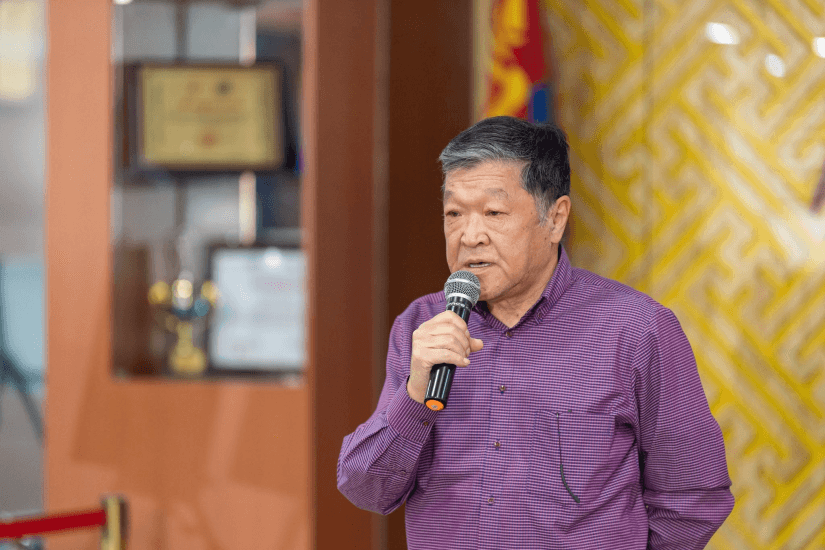
 Elbegzaya L., a photographer at Gamma Agency,
also recalled: "I have been taking photos since childhood. In the early
1980s, when I walked around taking pictures, adults would look at me and ask,
'Who is this kid taking pictures? Did you take your father’s camera or your
mother’s?' Being a bit shy around adults, those questions made me even more
self-conscious. Once, while focusing on taking photos with my camera, a woman
met me and asked, 'Do you take photos? What do you do? Do you attend a photo
club?' In my panic, I replied, 'My father is a photographer. I am Lkhagvasuren's
child, and I take photos.' She then walked away. Later, she told my father, 'Is
that your son? He looks like someone who will become a photographer; he
observes things very carefully.' That woman turned out to be Ms. Uliataikhuu.
Ever since, I began searching for her name in books and magazines, wanting to
see her work. I remain deeply grateful to her for encouraging me and nurturing
my passion for photography when I was young.
Ms. Nina was a friend of my father. In 1991, I worked as a photojournalist for the Niislel newspaper. While covering an event, my roll of film ran out right in the middle of it. As I was changing and preparing a new film roll, Ms Nina walked past and saw me. After the event, she came over and advised, 'Well, my son, before stepping into an event, you must prepare your camera and check your film. ' When I explained that my previous roll hadn't finished earlier, she even taught me a technique on how to manage film efficiently.
This was how veteran photographers mentored, advised, and passed down their knowledge and skills to the younger generation.
Furthermore, teacher Tuya continues to make valuable contributions to the development of photography in Mongolia. She implemented the 'Children and the Lens' project, teaching photography techniques to many children in the early 2000s. Over 80 children studied through her project, and two of them have become well-known and respected artists in Mongolia's photography sector. One of them currently works as a photography teacher at the Radio and Television Broadcasting Institute."
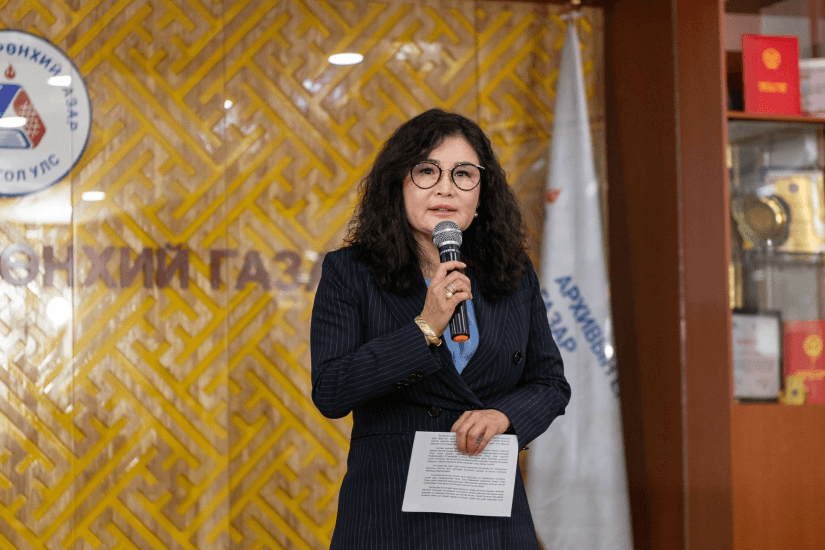
 Dr. Khishigjargal G., Head of the Film, Photo,
and Sound Document Archive at the National Central Archives, stated, "While we organized an exhibition featuring male photographers' works in 2022, this
time we aim to promote their creative work and photographic heritage through
female photographers, emphasize receiving their works into the archival
collection, and preserve them for future generations. Senior photographers
created a valuable photographic heritage through their works. For photographers
and young artists creating today, if you hand over your photographs, films, and
audiovisual works to the archives, we will be able to preserve and protect them
for many years to pass on to future generations. In Mongolia, film, photo, and sound materials are
stored and protected in designated collections at the National Central
Archives. These documents are stored under optimal humidity and temperature
conditions, adhering to international standards and requirements. The archive
collections contain rare and precious documents of feature films,
documentaries, and newsreels dating back to 1936. Additionally, over 100
thousand photographs compiled from photography organizations, photo
departments, and the collection of the MONTSAME Agency are preserved in the
archives."
Although this exhibition showcases a selection of works by senior and female photographers, the archival collection holds works by numerous photographers spanning the 1950s through the 1980s. Historical photographs serve as valuable documents that authentically reflect the events, people's lives, and social transformations of their respective eras.