Loading…

MONTSAME
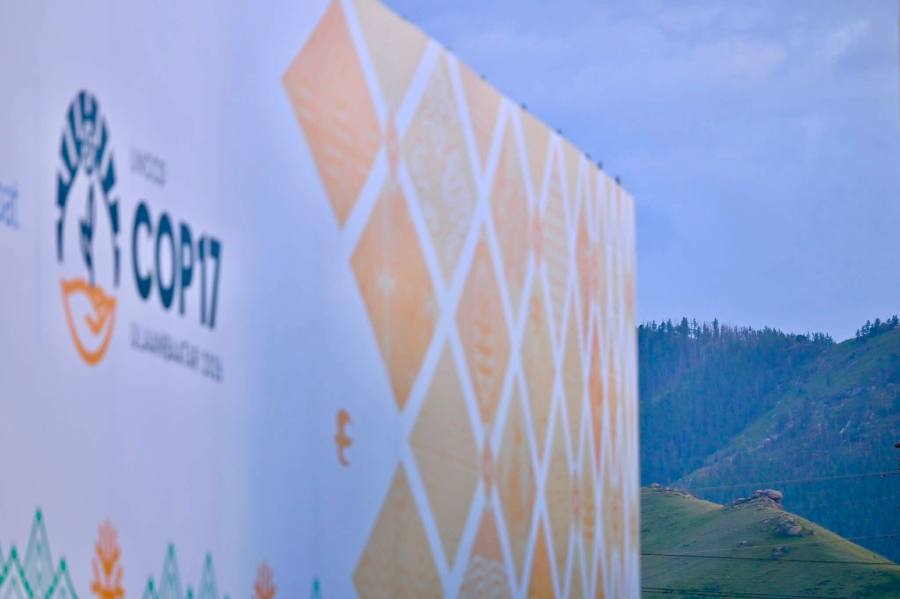
Ulaanbaatar, November 12, 2026 /MONTSAME/. When Mongolia hosted the 17th session of the Conference of the Parties to the United Nations Convention to Combat Desertification (UNCCD COP17) in August 2026, it was a unique opportunity for Mongolian civil society organizations (CSOs) and local pastoralists. However, the conference missed the mark on amplifying the voices of the people most affected by land degradation and drought.
Around 32 organizations came together as a joint network under a shared objective: independently expressing the rights, voices, and views of Mongolian citizens and herders at the international level. The network’s main demands were published in a joint advocacy statement. The network undertook advocacy and awareness activities through the two weeks of the COP. As a result, important priorities of local communities and herders made it into the founding documents of a new UNCCD caucus, the Local Communities Caucus.
Breathe Mongolia, a youth-led organization working at the intersection of clean air, climate change and environmental justice since 2019, coordinated the network and helped local CSOs to access and take part in the UNCCD process.
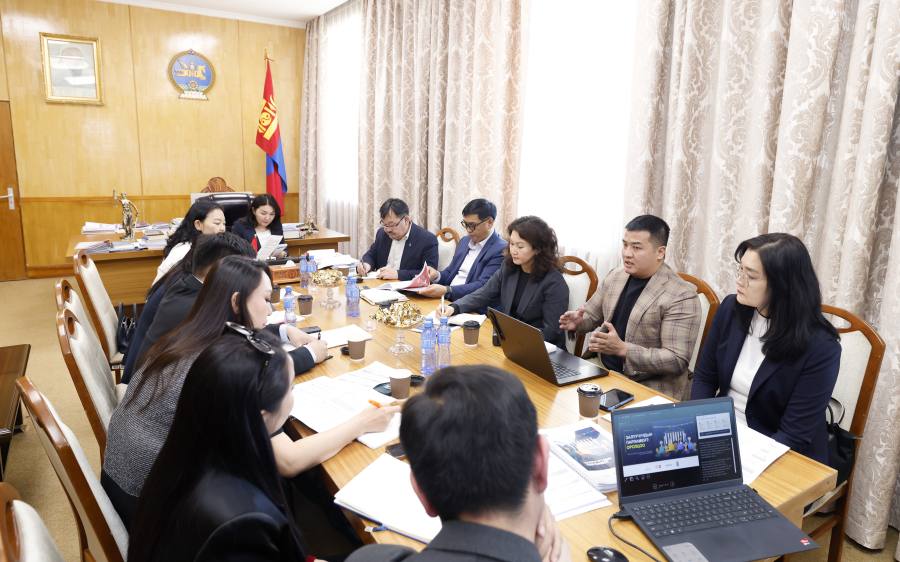
When the negotiations and caucus meetings were being held, Breathe Mongolia's team attended daily meetings, drafted statements, shared regular updates, and provided voluntary interpretation. Acting as the point of contact between the UNCCD civil society caucus and local CSOs, the team also arranged speaking opportunities for network members, including the official opening statement on behalf of civil society and an intervention to the parties during the CSO Open Dialogue.
For most network members, this convention was their first UN decision-making negotiation. The discussion and processes at the convention ran quickly and almost entirely in English.
Soon enough, language was the biggest barrier for Mongol CSOs. Interpretation was not available outside the main plenary and high-level side events, so most caucus meetings were conducted in English. Language barriers mean that many non-native English speakers are not able to meaningfully participate in international decision-making mechanisms, even while they hold knowledge and expertise vital to the topics at hand. For COP17, making the process more accessible to herders and local CSOs mattered greatly, since their work is directly rooted in the land and with communities. Breathe Mongolia's team acted as a bridge to interpret, making it possible for herders and local CSO representatives to follow the discussions and contribute.
On a Grand Scale
Alongside this coordination, Breathe Mongolia co-hosted two side events that gathered 240 people in total. On August 19, "The Importance of Inclusive Governance in Addressing Desertification and Land Degradation" brought together about 120 herders, civil society representatives, researchers, and development partners to discuss community participation, land rights, traditional knowledge and gender-inclusive approaches. On August 20, the team co-organized a high-level panel event on the role of civil society in connecting the land and climate agendas, where the network officially handed over the network’s joint advocacy statement to the Presidency of COP17, represented by the Vice-Minister of Environment and Climate Change of Mongolia. The team also hosted two sessions of its own, drawn from its environmental justice research, linking land degradation, herder migration and justice across generations.
Team members also spoke at events inside and outside the venue, from a presentation on herders being "legally invisible on their own land" to discussions on youth participation in decision-making on environmental challenges, women's leadership in climate solutions, youth-led implementation of the Rio Conventions, and UNFCCC reform. On the final day, the Breathe Mongolia team represented Mongol youth in sharing civil society's reflections on COP17 for the press.
In the months leading up to COP17, Breathe Mongolia brought together CSOs working across different social justice issues. They were among more than 30 organizations in the network, and Breathe Mongolia helped them prepare for the conference. Working closely with network members, the team supported the network in planning its advocacy and developing a joint statement of the priorities they wanted to be reflected in the conference decisions.
Even in the final days before COP17, as new information kept rolling in, the team kept the network seamlessly updated and helped network members with registration so they could access the conference venue. For organizations that work on behalf of communities that are most affected by land degradation, access to the venue and to timely information was essential to bring local realities into this global process.
Results
With the team's interpretation and coordination support, Mongol herders and CSO representatives helped shape the founding documents of the new Local Communities Caucus, which now includes terms rooted in Mongol pastoral life, “nomadic herders, seasonal migration routes, and winter and spring camps”. Beyond the vice minister, the network's statement also reached the president of COP17 and the head of the European Union delegation to Mongolia, bringing local voices to decision-makers. Perhaps the biggest result is the network’s decision to continue working together toward COP18. Breathe Mongolia’s experience points us to a few takeaways. Mongolian NGOs that work closely with communities need to meaningfully engage in international processes such as COP17, but they remain hard to access. Coordinated efforts by CSOs create a bigger impact than isolated work and young people can and should take the lead in coordinating them.
The CSO advocacy efforts were supported by the EU-funded Twin Transition project, implemented by People in Need Mongolia.