Loading…
Loading…

MONTSAME

Ulaanbaatar, August 17, 2026 /MONTSAME/. The 17th Session of the Conference of the Parties to the United Nations Convention to Combat Desertification (UNCCD COP17) opens by welcoming delegation of world herders and the Silk Road Caravan.
As part of the International Year of Rangelands and Pastoralists (IYRP), two-day Global Pastoralist Gathering & Conference concluded yesterday and herders and participants of the Silk Road Caravan presented the World Herders' Declaration, the Women Herders' Declaration, and the Youth Herders' Declaration to COP17.
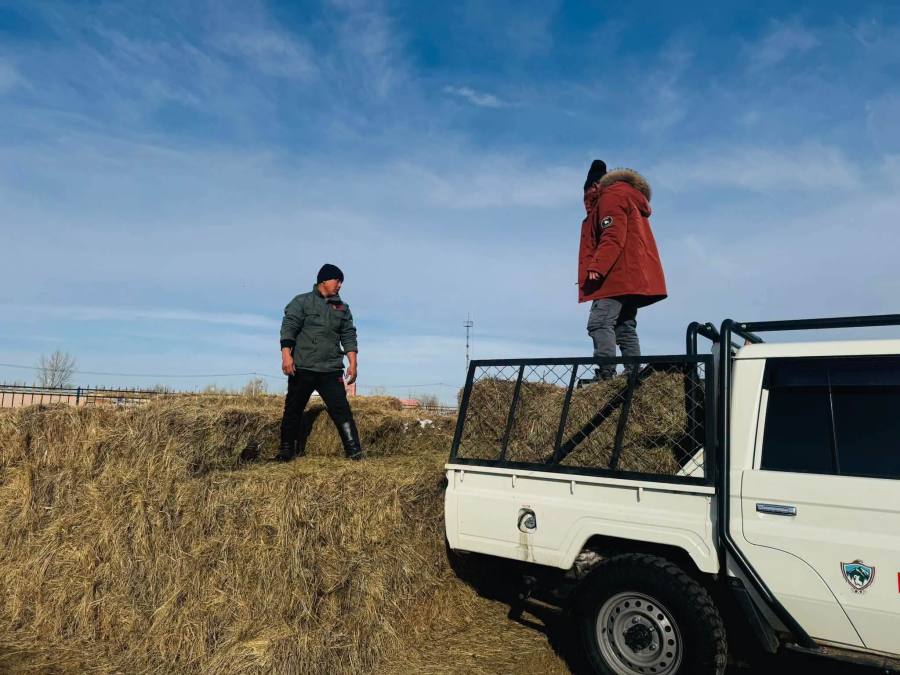
The Silk Road Caravan is traveling to raise awareness of the importance of grassland ecosystems to pastoralists’ livelihoods, share practical experiences in land restoration, sustainable pasture management, and drought resilience, and amplify the voices of herders globally. The caravan began its journey in Türkiye in May and has traveled more than 6,000 kilometers through Russia, Uzbekistan, Kazakhstan, Kyrgyzstan, and China, visiting successful land restoration initiatives and meeting with local communities along the way.
Ahead of COP17, caravan participants traveled through the Gobi, Khangai, and steppe regions of Mongolia, passing through Dundgovi, Uvurkhangai, Arkhangai, Bulgan, and Tuv aimags. They met with nomadic herder households, researchers, local government officials, and herders’ cooperatives, and visited land restoration projects. During their journey, they also visited Khustai National Park, the Orkhon Valley Cultural Landscape, a UNESCO World Heritage Site, and Ugii Lake, which is listed under the Ramsar Convention. They learned about how local communities in Mongolia’s grasslands are coping with land degradation and drought, and participated in activities organized as part of the International Year of Rangelands and Pastoralists.
The conference is taking place from August 17 to 28 under the theme “Restoring Land, Restoring Hope!” The conference will address pressing environmental challenges facing humanity—including desertification, land degradation, drought, and rangeland management—and discuss ways to address and overcome these challenges.