Loading…

MONTSAME
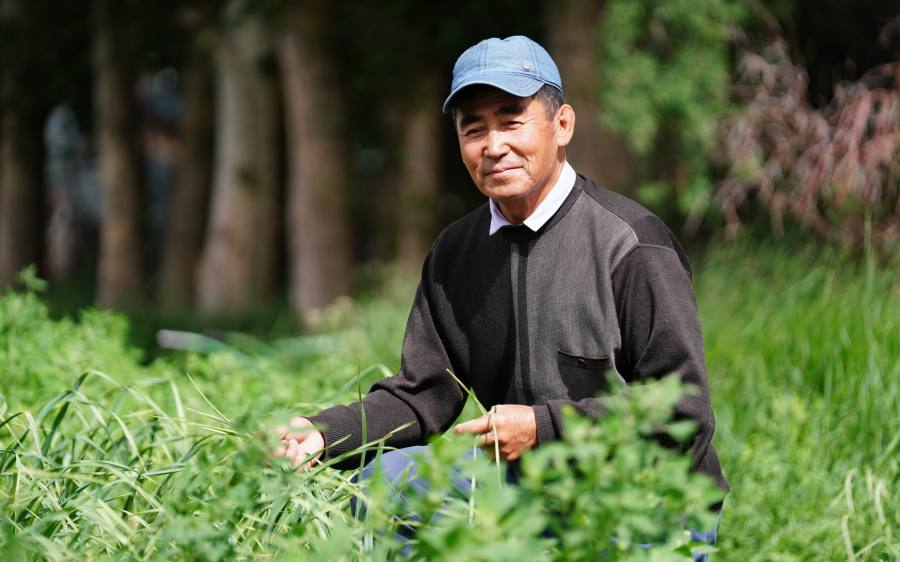
SAINSHAND, September 2, 2026 /MONTSAME/. My name is Luvsanpurev Luvsanjambaa. Trained as a mining engineer, I never imagined that one day I would be growing vegetables in the soil of the Gobi and becoming a farmer. Life is an unpredictable puzzle.
During Mongolia’s transition to a market economy in the 1990s, my income was barely enough to cover our living expenses. There were school fees, clothes, and many other responsibilities to take care of for our children. My wife is from Dalanjargalan soum in Dornogobi aimag, and together we decided to move to the countryside and take up farming. I think of that period as stepping “from a mine that we dig to a mine that we grow.”
When I first started growing vegetables, I thought all I had to do was plant the seeds and they would grow. But once I began working the land, I learned that farming is built on perseverance, experience, and daily effort. Farming in the hot and dry conditions of the Gobi is not easy. We began by taking care of the soil, making compost from livestock manure and improving its fertility.
More than 30 years ago, I started growing vegetables on just 0.5 hectares of land. Today, we cultivate more than seven hectares, growing over 20 varieties of fruits and vegetables, as well as woody plants. Greening the Gobi is not something that can be achieved in a single day. Small efforts made every day produce significant results over many years.
I did not do all of this alone. My children worked in the fields from an early age. One would help harvest, another would tend the fields, while another would make sure our produce reached consumers. Farming gave us more than an income. It taught us the value of hard work, respect for nature and the patience to see things through.
Being named a National Champion Farmer of Mongolia in 2021 was recognition of more than 30 years of hard work. But for me, the greatest achievement is seeing my children understand the value of labor and develop a desire to pass what they have learned on to the next generation.
Today, people place orders for our vegetables themselves. Through our own lives and work, we have shown that it is possible to grow vegetables in the Gobi.
I have learned that, especially in difficult times, we should not simply wait for opportunities but create them from what we already have. Just as the land must be nurtured before it can yield a harvest, we must cultivate our own lives through hard work to achieve results.
That is the greatest lesson my more than 30 years of farming have taught me.