Loading…
Loading…

MONTSAME
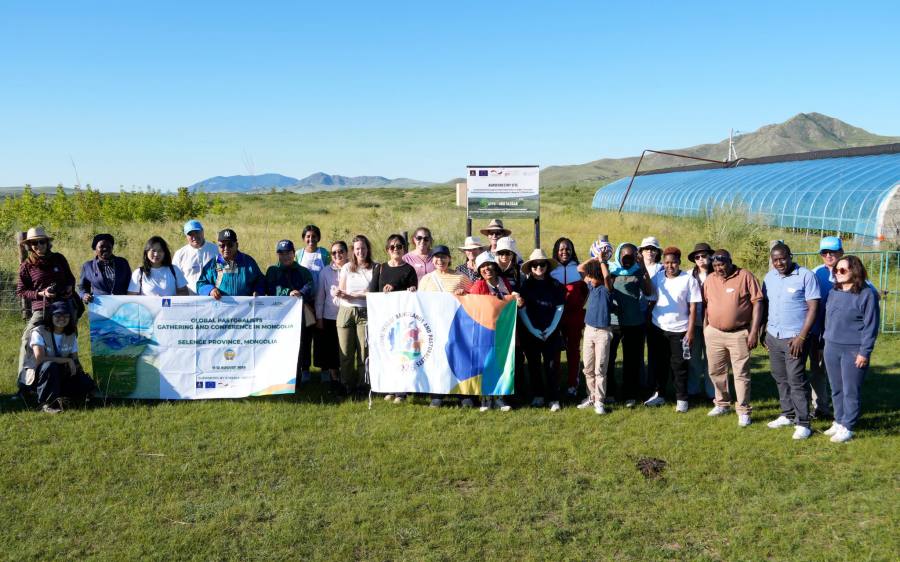
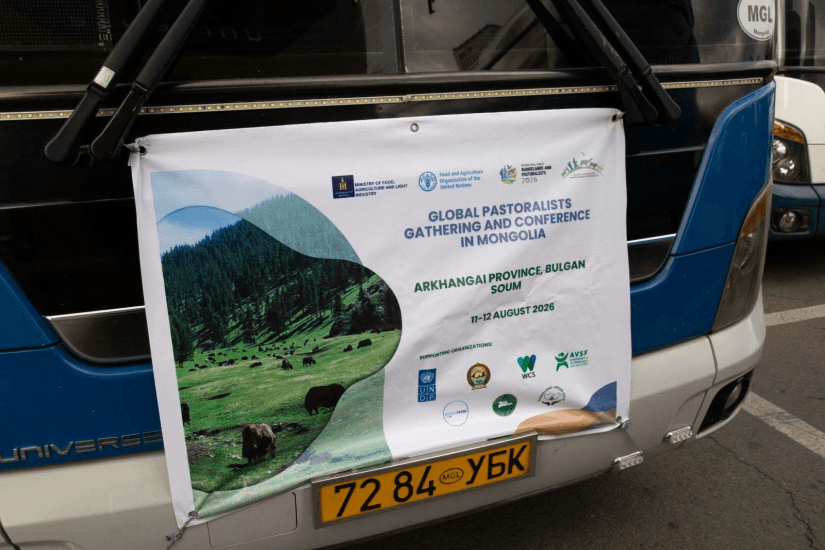
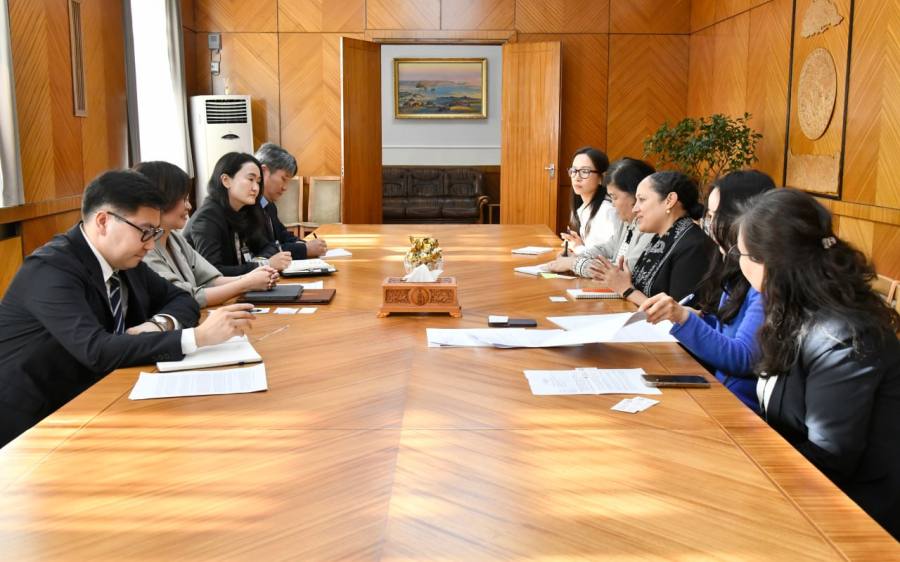
Ulaanbaatar, August 11, 2026 /MONTSAME/. Within the framework of the "International Year of Rangelands and Pastoralists 2026," the Ministry of Food, Agriculture, and Light Industry of Mongolia, in collaboration with the UN Food and Agriculture Organization (FAO), is co-organizing the "Global Pastoralists Gathering and Conference" in Mongolia from August 10 to 15.
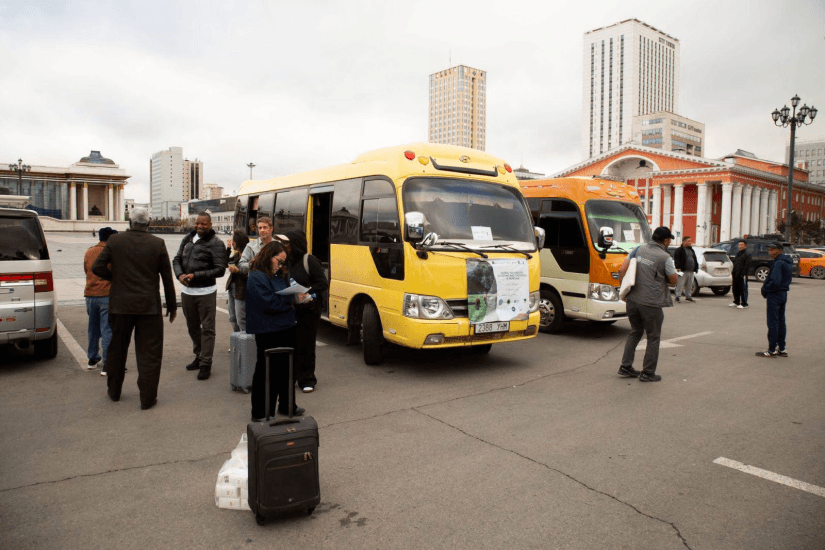
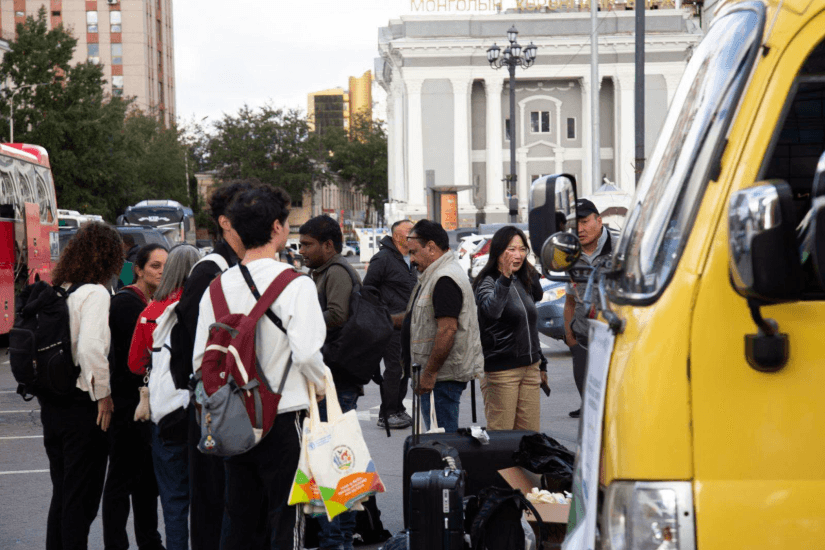
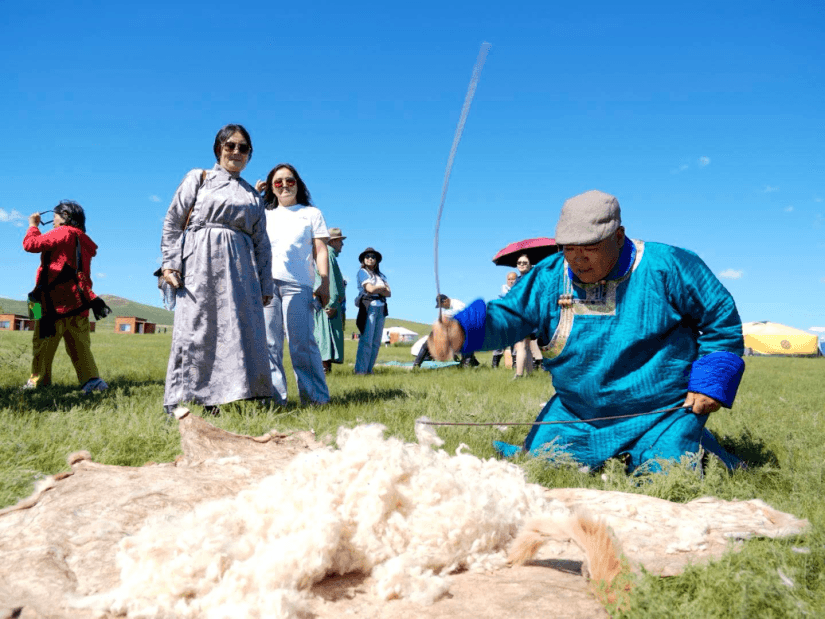
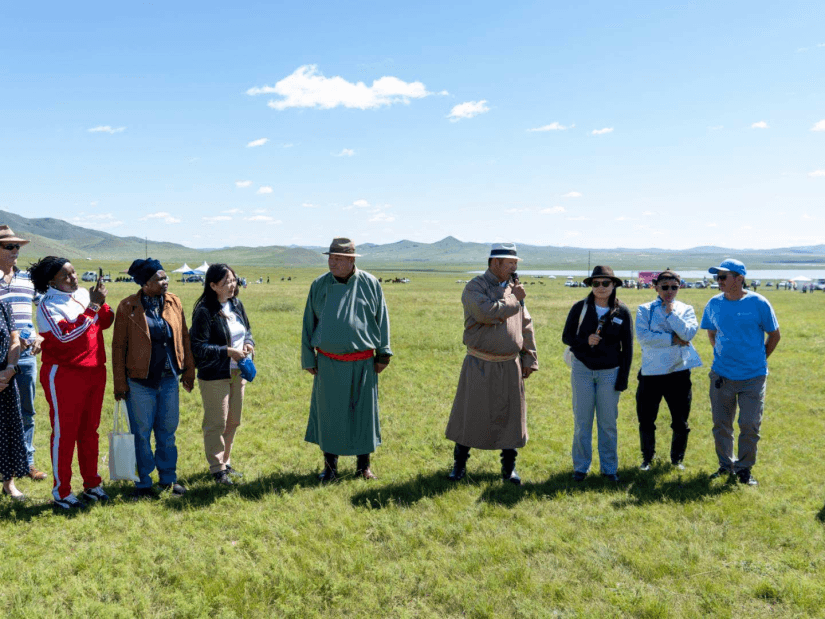
Nearly 200 herders and delegates from 102 countries have arrived for the conference. From August 10 to 13, they are participating in regional thematic discussions and field trips to experience the unique features of Mongolia's rangelands and nomadic pastoralism. Before heading to the negotiating tables, 123 international representatives are trading conference rooms for the open steppe. From August 10 to 13, delegates are fanning out across six aimags: Khentii, Selenge, Gobisumber, Arkhangai, Bayankhongor, and Bulgan. The field trips are designed to immerse participants in Mongolia’s unique heritage of nomadic pastoralism. Delegates are meeting with local herders to observe pasture utilization, traditional nomadic livestock practices, and the daily life and cultural heritage of pastoralists while exchanging knowledge and experiences.
Over the course of two days, participants will discuss common challenges facing pastoral communities worldwide, including climate change, rangeland degradation, livelihoods, market access, youth engagement, and the rights and participation of women herders, seeking shared solutions and future opportunities. Proposals and recommendations generated from these regional discussions will be consolidated and reviewed during the plenary session of the "Global Pastoralists Gathering and Conference", to be held in Ulaanbaatar on August 14-15.
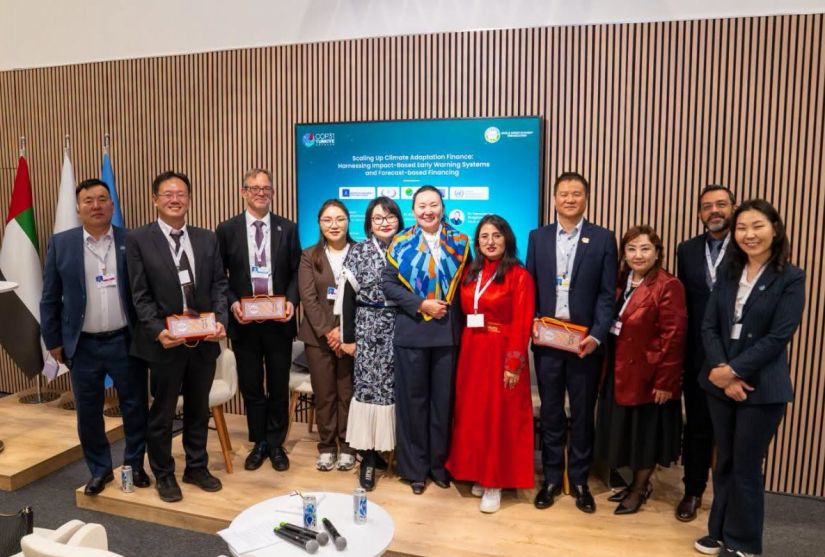
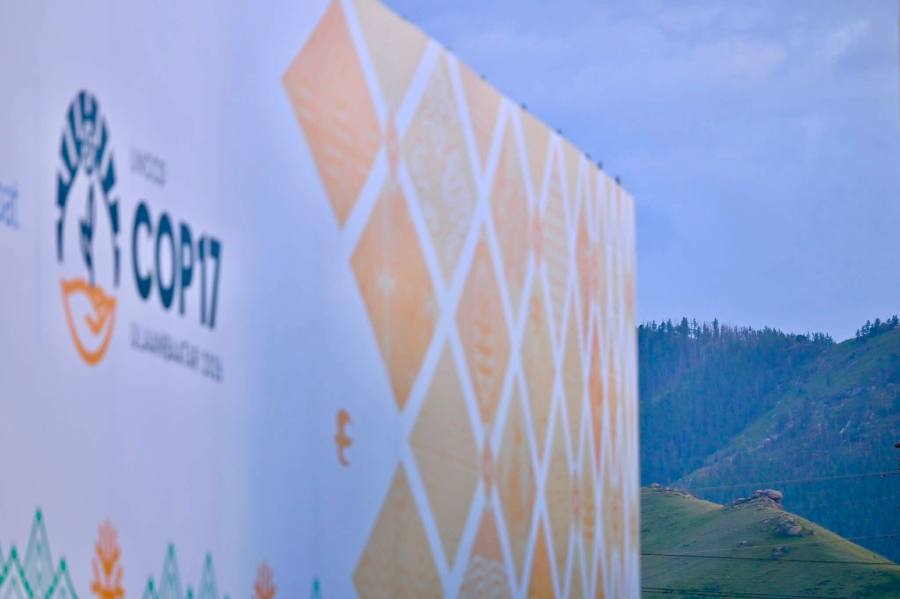
The plenary session will serve as a unified platform to elevate herders' voices and experiences to the global stage, finalizing key declarations drawn from the regional and thematic meetings. Furthermore, the initiatives and perspectives finalized at the Ulaanbaatar plenary will not stay local; they are slated to be presented during international discussions at the upcoming COP17.
Through the landmark event, Mongolia is positioning itself as a vital global hub, bridging centuries of traditional nomadic knowledge with modern solutions and best practices to secure the future of pastoralism worldwide.
The "International Year of Rangelands and Pastoralists 2026" aims to strengthen international cooperation on sustainable rangeland management, the preservation of traditional nomadic heritage, the improvement of herder livelihoods, and the fight against climate change and desertification. The designation plays a crucial role in drawing global attention to the unique characteristics of nomadic pastoralism, ecological sustainability, and the profound traditional knowledge of herders worldwide.