Loading…

MONTSAME
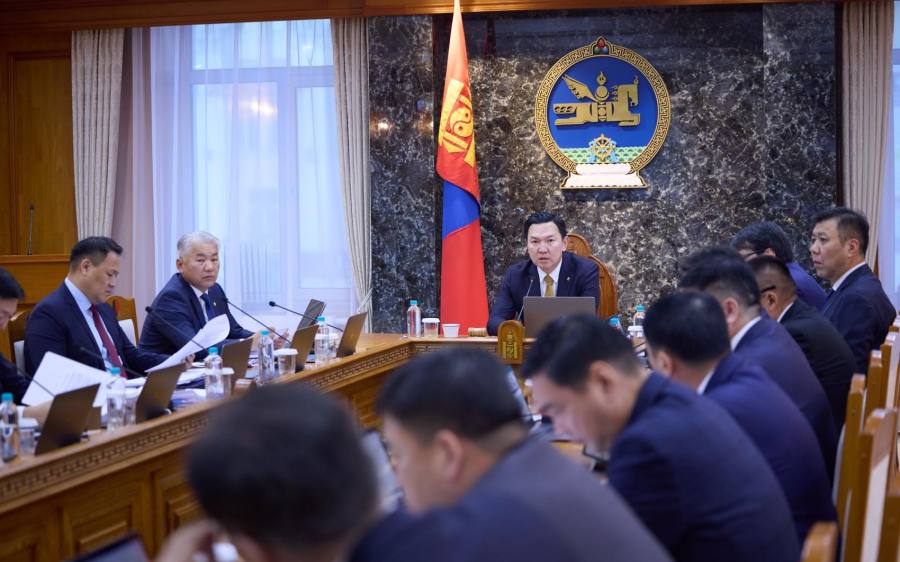
ULAANBAATAR, August 26, 2026 /MONTSAME/. At its meeting on August 26, the Government approved a resolution revising the regulations on financial incentives for livestock herders and intensive livestock farmers supplying raw milk, with the aim of increasing raw milk supplies during the cold season, supporting domestic dairy production and reducing import dependence.
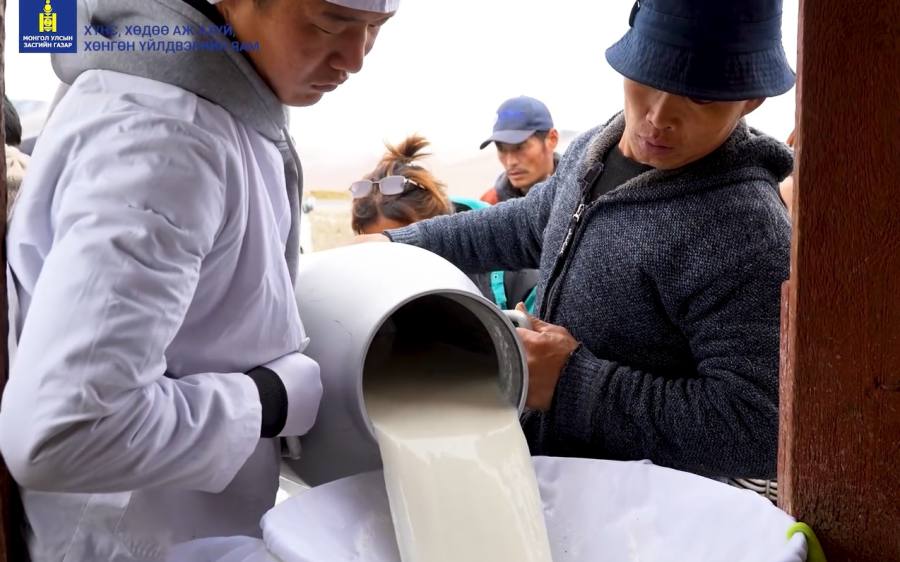
Under the revised regulations, financial incentives will continue to be provided to herders and intensive livestock farmers who supply raw milk meeting technical regulatory requirements to milk processing factories and facilities.
Mongolia began providing financial incentives in 2020 to herders and farmers supplying raw milk that meets technical requirements to dairy processing plants. In 2023, the incentive was increased to MNT 1,000 per liter and expanded to cover milk from all types of livestock.
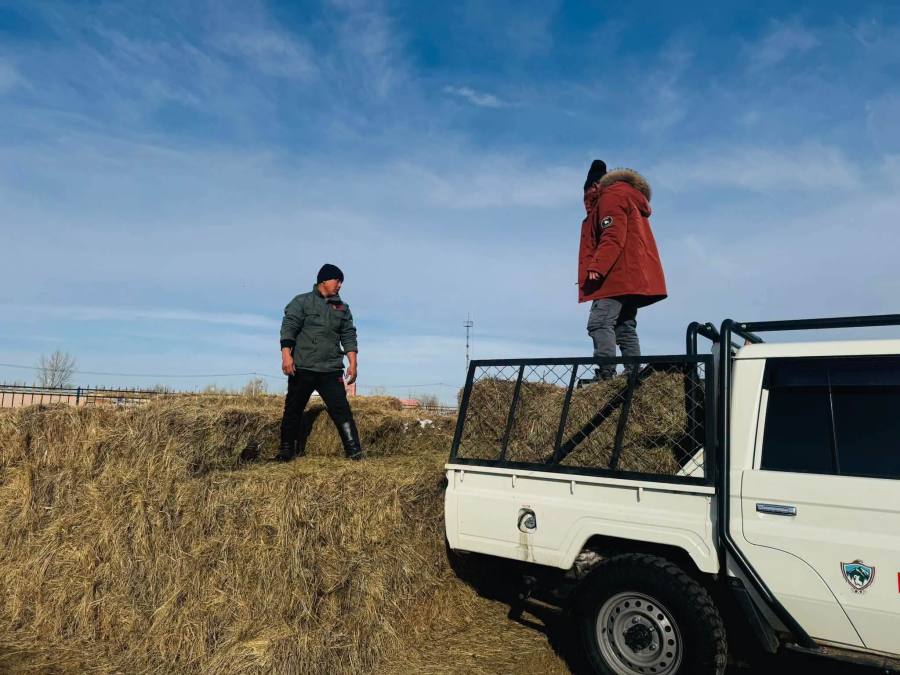
As a result of the policy, the volume of raw milk supplied to processing facilities during the cold season increased significantly. In 2020, around 1,300 herders and farmers supplied 3.5 million liters of milk to processing plants and facilities. By 2025, approximately 2,400 herders and farmers supplied 19.6 million liters, representing a 5.6-fold increase.
The number of aimags eligible for the milk incentive program has also expanded to 13. Total milk production increased from 200,000 tons in 2020 to 260,500 tons in 2025, a rise of 30 percent. Production of industrially processed dairy products also increased by 38 percent, reaching 156,800 tons.
Meanwhile, imports of milk powder declined by approximately 17 percent, from 5,400 tons in 2021 to 4,500 tons in 2025.
The revised regulations will continue financial incentives for raw milk supplied during the cold season. They also introduce registration and monitoring mechanisms based on an integrated electronic information system to improve the traceability of raw milk and ensure greater transparency of information.
The amendments further establish a legal basis for linking future incentives to milk quality and strengthening oversight and accountability mechanisms. These measures are expected to improve the efficiency of public spending while encouraging quality-based milk production.
The policy is expected to help increase the consumption of milk and dairy products, ensure a stable supply from domestic producers, reduce seasonal shortages of raw milk during the cold season and further decrease the import of milk powder.