Loading…
Loading…

MONTSAME
Ulaanbaatar, September 29, 2026 /MONTSAME/. In Bayankhongor aimag, a project called WIFI is showing that simple, locally suited animal-health measures can make goat farming more sustainable and put more money in herders' pockets.
For Mongolia's herding communities, animal health ties to almost everything: income, food supply, and the condition of the rangelands. But climate change, disease, parasites, worn-out pasture, and difficult markets keep squeezing herders and the wider livestock sector.
Any fix must be technically sound, but it also must fit the way herders live and work.
That was a guiding idea behind the WIFI Meat Value Chain Project, run by Agronomes et Vétérinaires Sans Frontières (AVSF) in Bayankhongor from 2024 to 2026 and funded by the French Ministry for Europe and Foreign Affairs through the Équipe France Fund. The project set out to build a more sustainable and inclusive goat meat value chain while supporting herders' livelihoods, animal health, and food security.
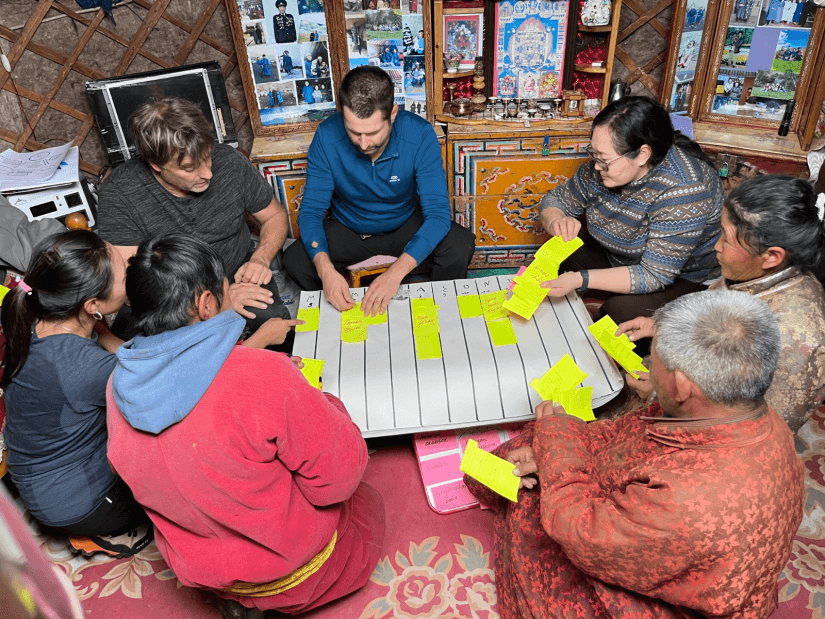
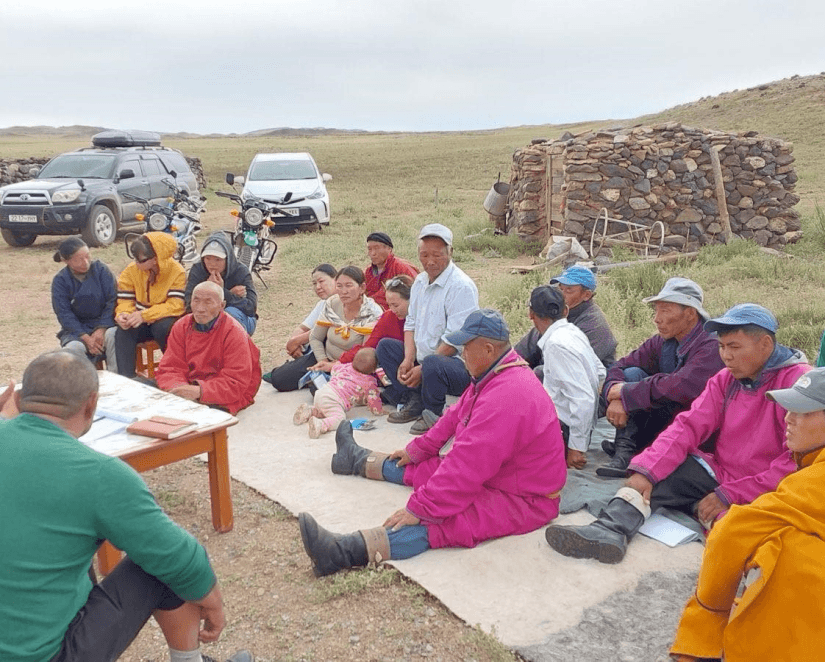
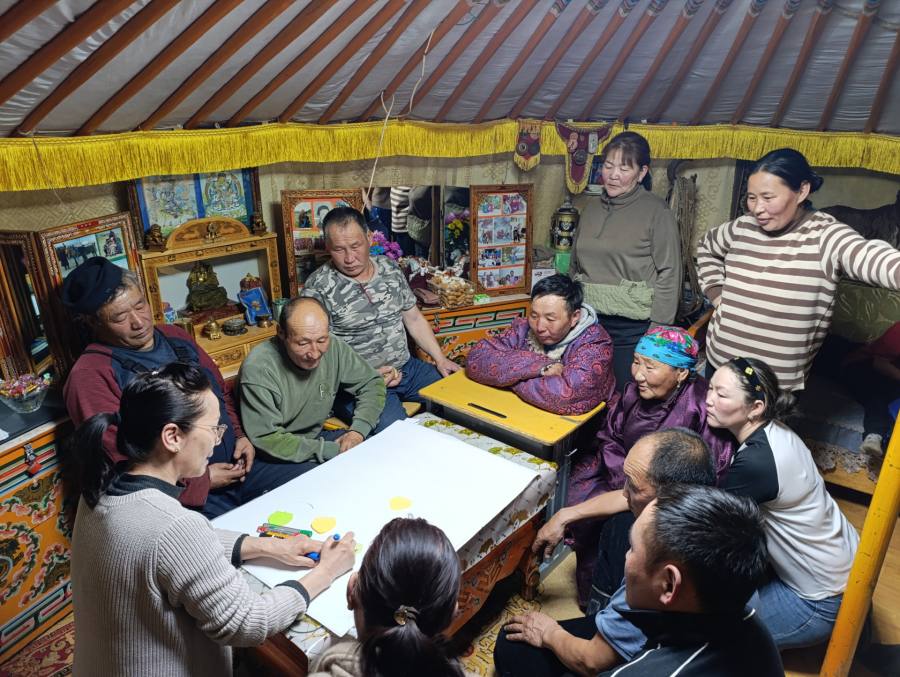
It worked with 620 herder households, organized into 40 groups across the soums of Bogd, Jinst, Bayantsagaan, and Bumbugur.
It starts with healthy animals
Quality meat starts with healthy livestock.
The WIFI team worked with herders, vets, and local institutions to improve how animal health is monitored and helped strengthen eight veterinary units. A particular focus was controlling external parasites through practical steps like washing and spraying animals.
These measures were fairly simple, but they only work with proper technical guidance, herders acting together, and regular follow-up. Of the animals that were treated, 87 percent made a full recovery.
The project also began laying the groundwork for community animal health workers (CAHWs). Trained locally, they can bring basic animal-health services closer to remote herding communities and link herders with professional vets. They can also spot infectious and zoonotic diseases early, which allows a faster response and limits the damage.
Cooperation that works on the ground
This approach reflects a key feature of French cooperation in agriculture and livestock: pairing technical expertise with real input from farmers and pastoralists.
France and Mongolia have worked together for a long time on sustainable agriculture, livestock production, and rural livelihoods. Veterinary cooperation has been a big part of that, giving French and Mongolian professionals a chance to swap knowledge and experience.
Within that framework, the École Nationale des Services Vétérinaires – France Vétérinaire International (ENSV-FVI), the Federation of Conventional Livestock Farmers (FEVEC), and Mongolian veterinary and herder organizations have helped improve approaches to animal health and sustainable livestock development. Visits and exchanges, including the ENSV–FVI trip to Mongolia, gave professionals a better understanding of Mongolia's pastoral system and a chance to compare notes with local vets.
Exchanges like these matter in a country where veterinary services have to cover vast distances to reach widely scattered herding families.
From healthy animals to quality products
Animal health is only the first step in the value chain.
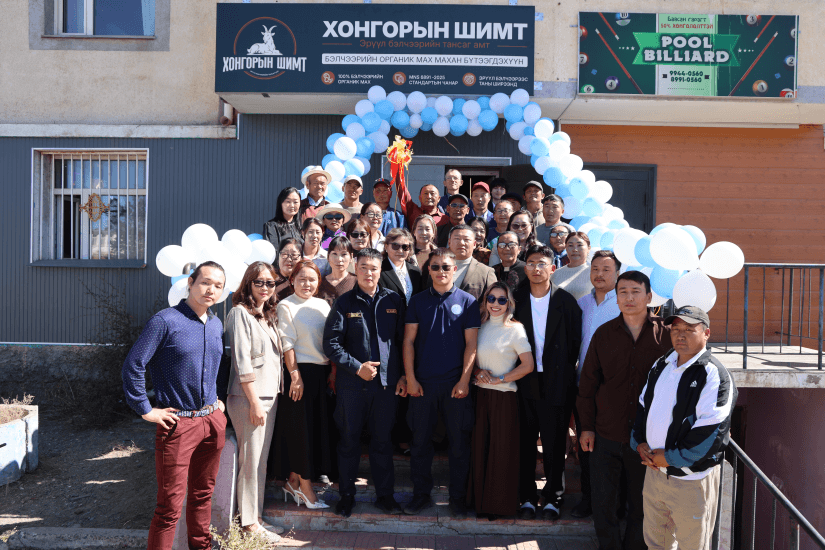
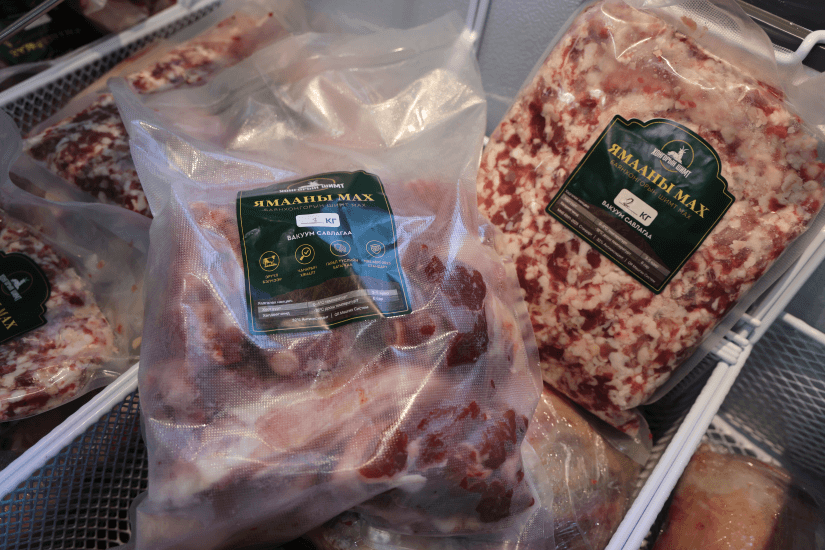
WIFI also focused on cooperatives, responsible production practices, traceability, and getting products to market. Participating cooperatives adopted MNS 6891, the national "Responsible Nomad" standard, and the Khongoriin Shimt goat meat brand was created to give Bayankhongor's products a stronger identity and wider recognition.
On September 20, 2026, the first Khongoriin Shimt shop opened in Bayankhongor, giving shoppers a direct way to buy products from the value chain. It was an important step in connecting the cooperatives and herders to their local market under one shared brand.
The goal is to link every stage, from healthier animals and responsible production to traceable, quality products that consumers can trust.
In this way, animal health, food safety, product quality, and market value are no longer separate concerns. They feed into one another.
Building a more resilient livestock sector
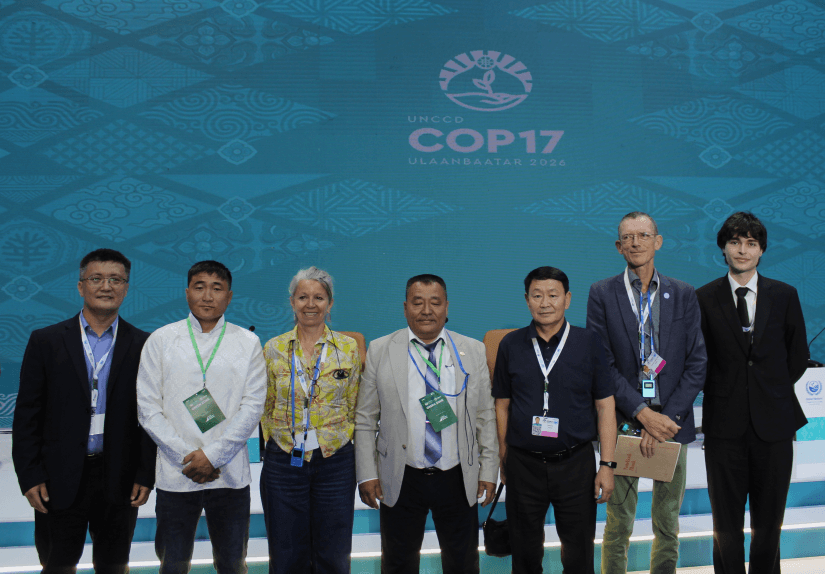
WIFI's experience also ties into broader conversations about the future of herding in Mongolia. At UNCCD COP17 in Ulaanbaatar, animal health, the resilience of pastoral communities, and sustainable livestock systems were among the topics raised in discussions about the future of rangelands.
The project shows that resilience doesn't have to depend on complicated technology. In herding communities, low-tech, practical, locally adapted solutions, backed by veterinary expertise and shaped with herders' input, can make a real difference.
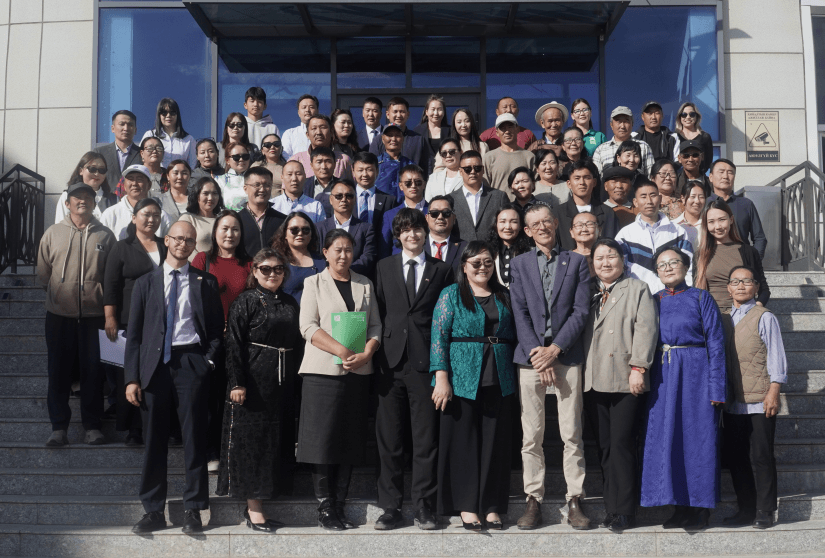
WIFI held its closing event in Bayankhongor on September 21, 2026. Project partners, local stakeholders, and herders came together to look back on the results and on what had been built over three years. Held just a day after the first Khongoriin Shimt shop opened, the event also marked a shift from project-supported work to value-chain activities that local people will own and carry on.
As the project wraps up, its lasting legacy lies in the practices, skills, and systems built with local partners: stronger veterinary services, better animal-health practices, local animal-health capacity, sturdier cooperatives, standards, traceability, and the Khongoriin Shimt brand.
The journey from a herder's camp to a shopper's table starts with a simple principle: healthy animals are the foundation for quality products, better livelihoods, and a more sustainable future for Mongolia's herding sector.