Loading…
Loading…

MONTSAME
Ulaanbaatar, July 7, 2026 /MONTSAME/. During the plenary meeting of the 79th Session of the UN General Assembly on June 3, 2025, a resolution on “World Horse Day,” initiated by the President of Mongolia, was discussed and adopted.
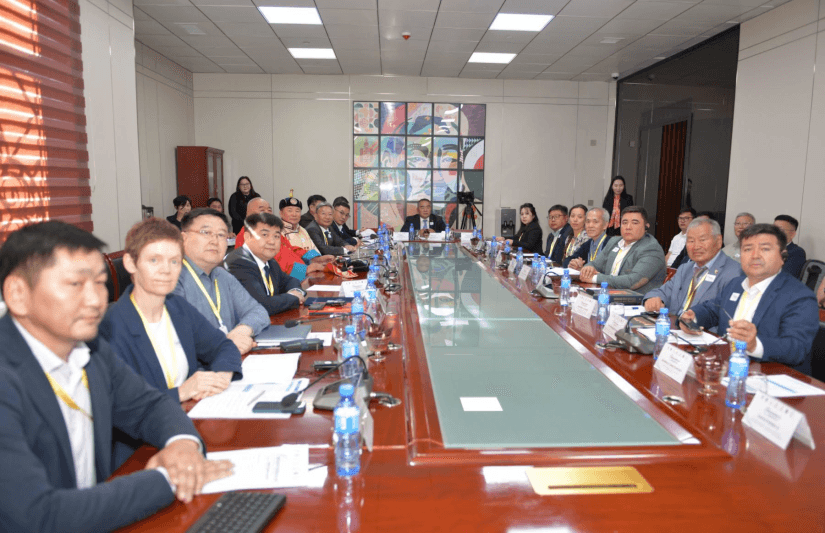
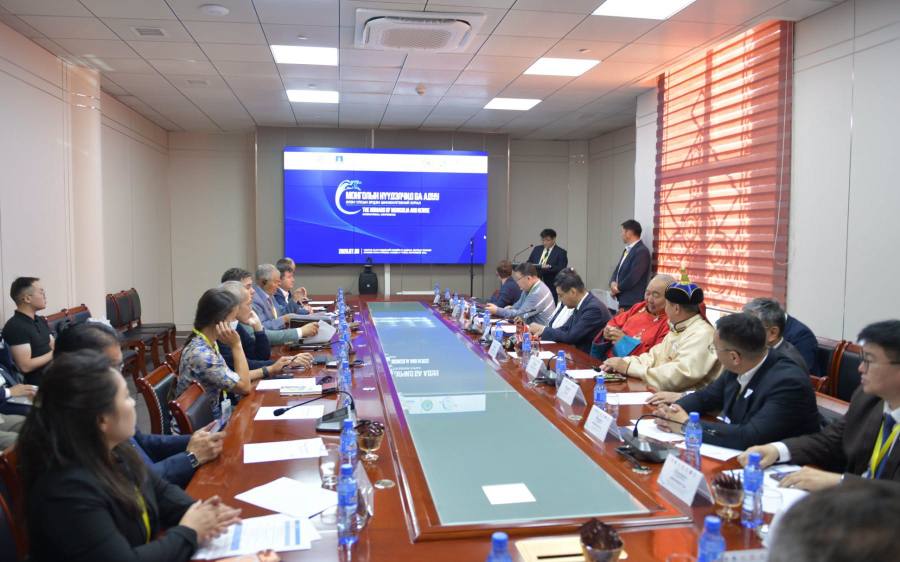
In accordance with this resolution, the Government of Mongolia passed a resolution on March 25, 2026, to officially observe the occasion. To mark the day, the international conference titled “The Nomads of Mongolia and Horses” was held at the Chinggis Khaan National Museum on July 6. This conference kicks off the inaugural “World Horse Day” activities being organized in Mongolia for the first time.
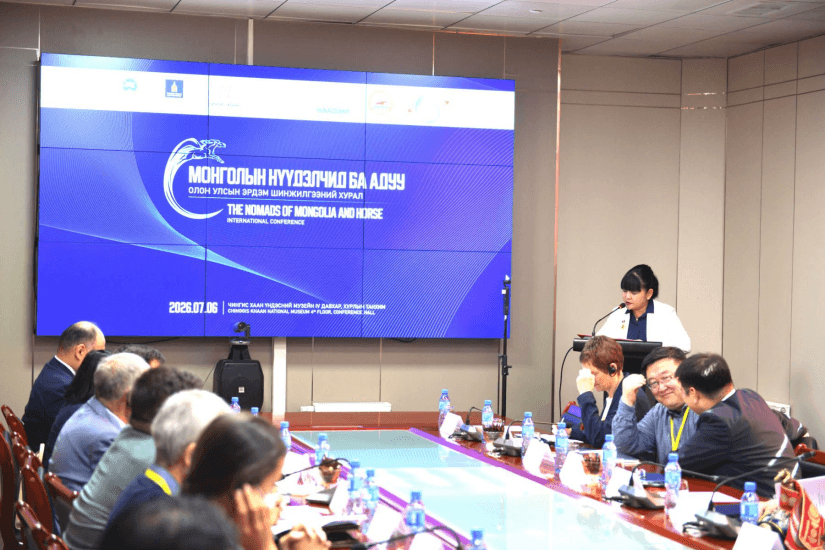
At the opening ceremony, Sergelen Bold, Advisor on Cultural and Religious Policy to the President, read a message from the President of Mongolia. The message emphasized Mongolia’s deep commitment to celebrating, protecting, and promoting horse culture globally, highlighting that the participation of renowned domestic and international researchers gives the event high scientific significance and a broad scope.
 Academician
Chuluun Sampildondov, Director of the Chinggis Khaan National Museum, stated, “Starting
the activities of the World Horse Day, established under Mongolia’s initiative,
with a research-based international academic conference is a crucial step for
us to demonstrate the deep historical foundations of this celebration.”

Minister of Culture, Sports, Tourism, and Youth Aldarjavkhlan Jukov said, “Mongolian land has historically been a major cradle of nomadic civilization and holds the earliest traces of horse culture. This is proven by ancient rock art and monuments depicting horses at a high artistic level, as well as ancient burial and sacrificial structures where horse elements were revered as the highest tribute for nobility. Although this conference is being organized for the first time in Mongolia, it should be expanded and established as a recurring tradition in the future.”
At the conference, around 30 researchers from Mongolia, the United Kingdom, Russia, Kazakhstan, and Japan, presented diverse research findings covering: historical traditions of horse culture in Mongolian and the broader nomadic civilizations of the region, traditional horse-related equipment and artefacts, the role of horses in trade and economic relations, and advances in equine genetics research.