Loading…
Loading…

MONTSAME
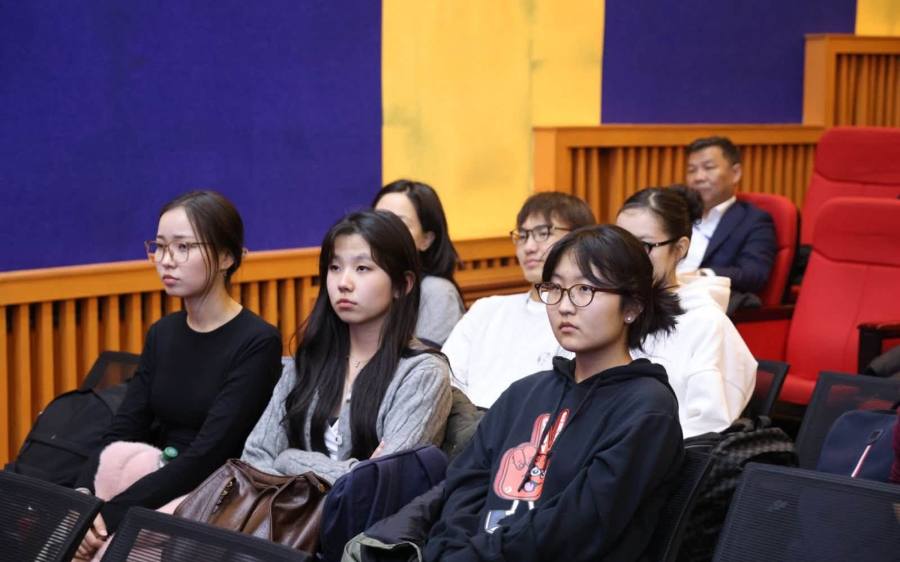
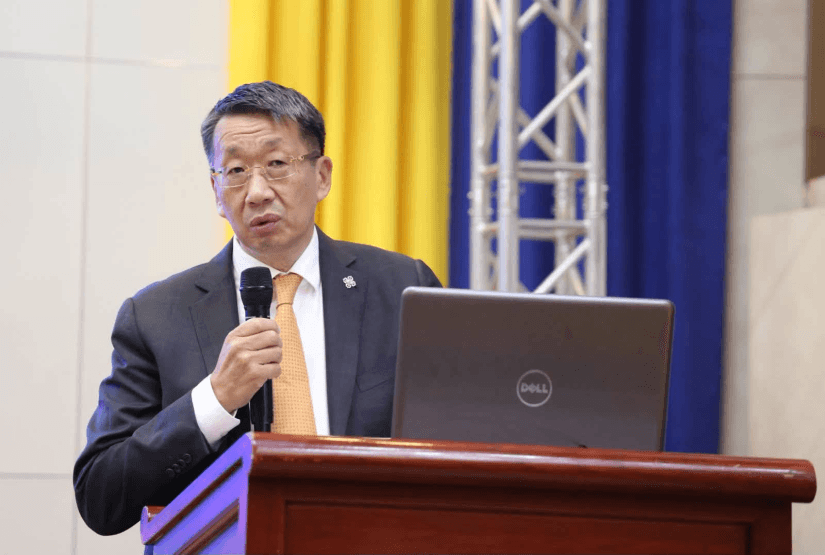
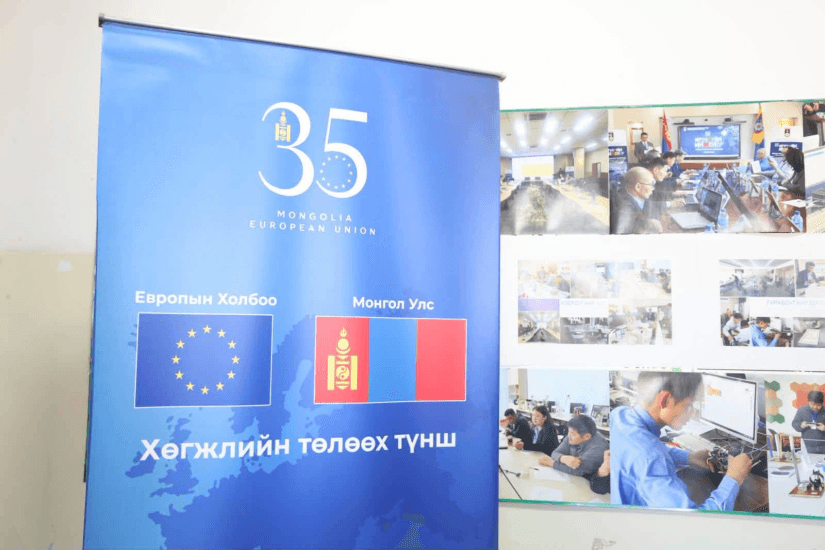
Ulaanbaatar, October 16, 2026 /MONTSAME/. The Ministry of Education, in collaboration with representatives of European Union Member States, organized an information session at the Mongolian University of Science and Technology (MUST) on October 14 to present funding and scholarship opportunities available through the Erasmus+ program and other international initiatives.
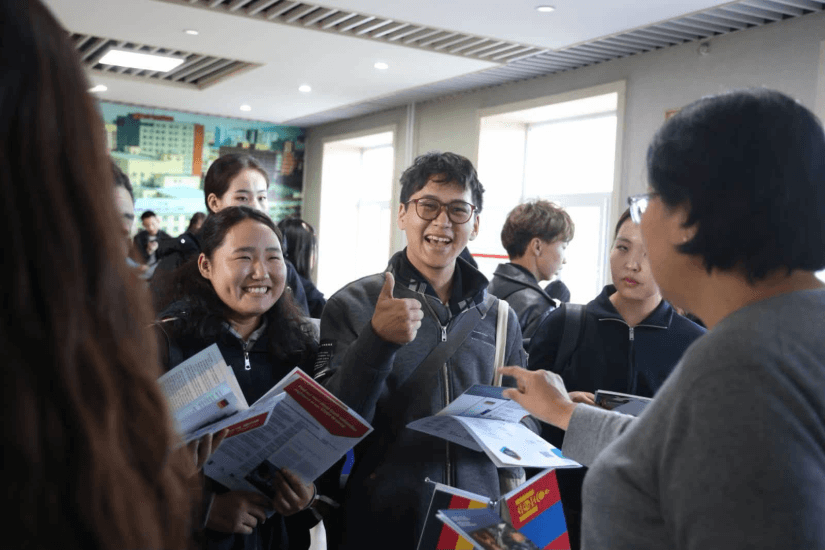
The event aimed to introduce funding options for international cooperation and project implementation to higher education institutions, while providing students with details regarding Erasmus Mundus joint master's degrees, advanced degree programs, and available scholarship opportunities.
Representatives from the European Education and Culture Executive Agency (EACEA) outlined the international scope of the Erasmus+ program, with a particular focus on Capacity Building in Higher Education (CBHE) projects and other funding calls open to Mongolian organizations. Furthermore, in preparation for the 2027 Erasmus+ call for proposals, officials emphasized the importance of understanding participation criteria, identifying suitable partner institutions, and designing project proposals aligned with institutional development goals.
A dedicated section for students covered Erasmus Mundus programs and postgraduate study options. Details were also provided on the role of the Erasmus+ National Focal Point (ENFP) and the support services available to institutions and prospective applicants.
Highlighting opportunities across EU Member States, the Embassy of the Czech Republic delivered a presentation, while the Embassy of the Italian Republic provided a video briefing. Information on joint scholarship schemes administered with EU Member States was also presented to attending students.
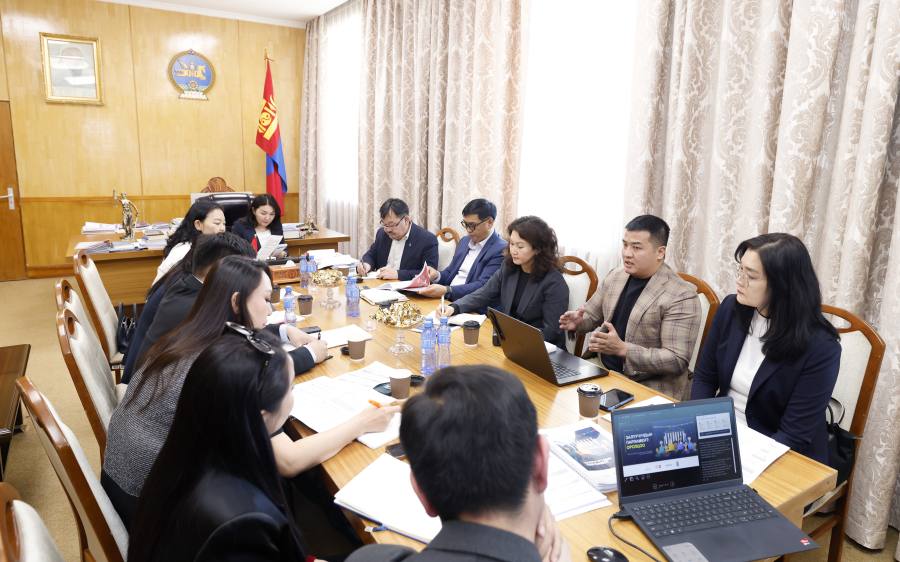
The Ministry of Education encouraged universities to integrate international cooperation into their strategic development policies and begin early preparation for the 2027 Erasmus+ selection round. Institutions with prior project experience shared best practices with new participants, stressing the value of developing collaborative projects that yield sustainable benefits for students, faculty, staff, and the higher education sector as a whole.