Loading…
Loading…

MONTSAME
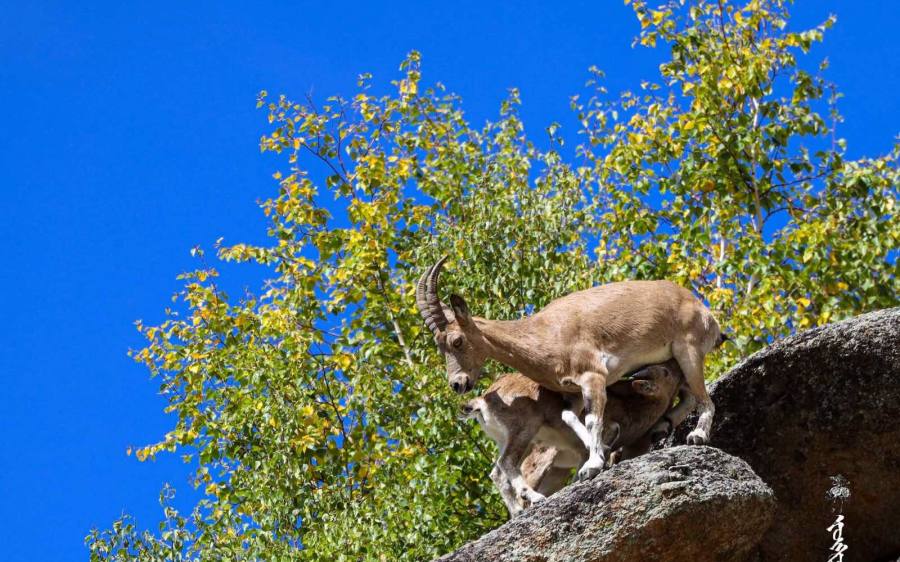
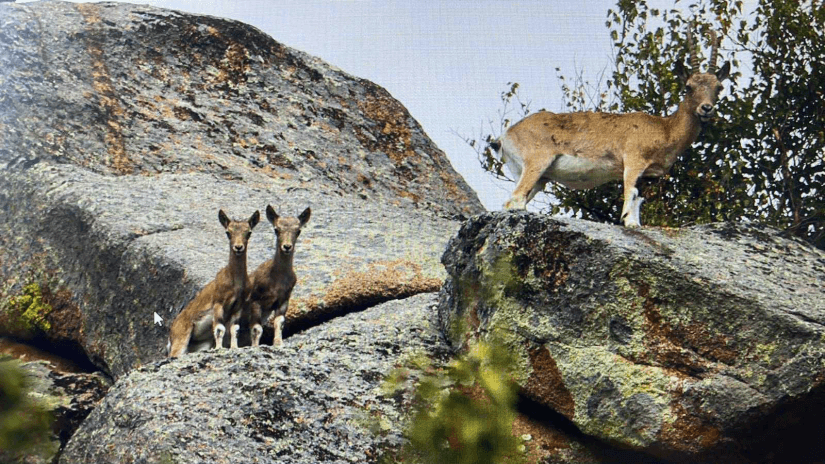
Ulaanbaatar, September 29, 2026 /MONTSAME/. Following an initiative by the Class of 1999 secondary school graduates of Arkhangai aimag to reintroduce 21 Siberian ibex to Bulgan Mountain last year, the local ibex population has grown to over 100.
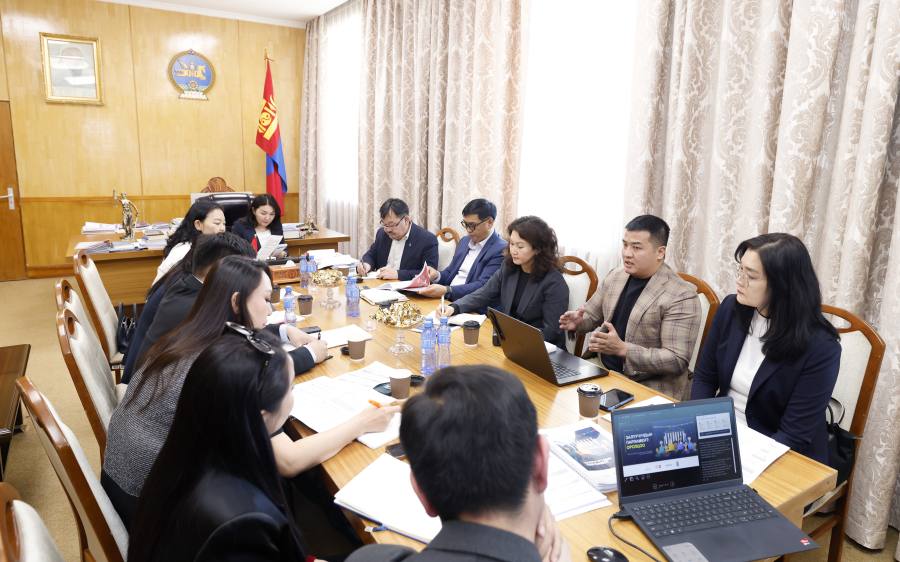
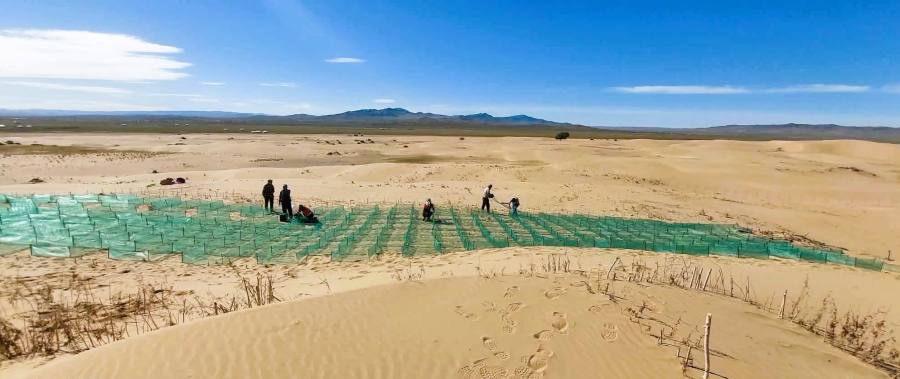
Munkhbat B., Head of the Mongolia-99 Alumni Association, highlighted the effective establishment of ponds and watering points for wild animals in the Gobi regions during a meeting with Sandag-Ochir Tsend, Minister of Environment and Climate Change.
During the meeting, the Minister expressed his commitment to supporting and collaborating on the association's environmental protection projects and initiatives implemented across 21 aimags, which align with state policies.
Munkhbat conveyed his desire to collaborate with the Ministry on establishing 14 watering points in the Gobi region, expanding Specially Protected Areas (SPAs), and securing tax exemptions for environmental and wildlife conservation efforts.
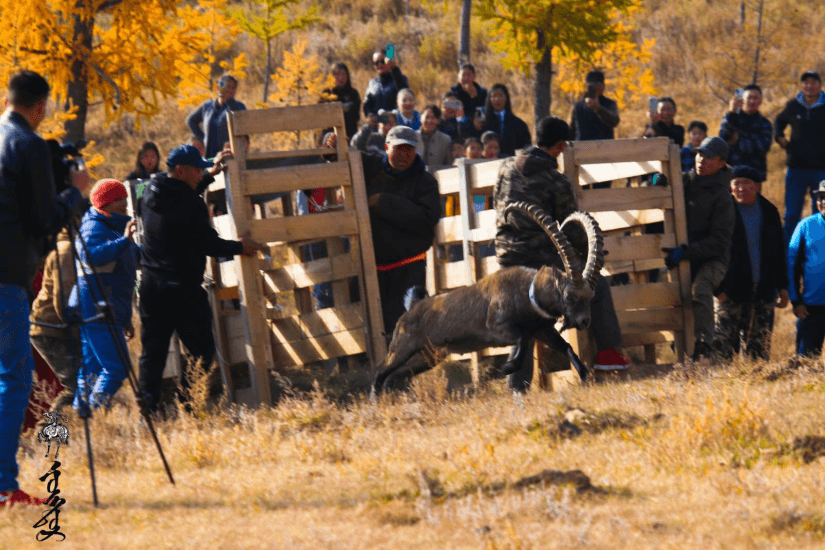
Under a 2024 Parliament resolution, the 1,820-hectare Bulgan Mountain historical site in Arkhangai aimag was upgraded to a Strictly Protected Area. Herder families were relocated, and illegal hunting and logging were halted. Consequently, rare animals and birds such as deer, roe deer, badgers, marmots, bearded vultures, and Ereen Khavirga have settled in the area, some of which were previously unrecorded in the region.
Additionally, a snow leopard was recorded near Khukh Nuur in Ikhtamir soum, 80 kilometers from Bulgan Mountain. The participants noted that this is a direct result of comprehensive efforts to preserve ecological balance, protect water sources, and safeguard local flora, fauna, and forest reserves.
Minister Sandag-Ochir highlighted that expanding the 1,820-hectare Strictly Protected Area to comprehensively protect the rare wildlife ecosystem aligns with the Ministry's goal to place 30% of Mongolia's total territory under special protection by 2030.
He stated that the Ministry will study and resolve the request to place additional land under special protection and expand the boundaries of unique natural formations in Arkhangai aimag. This proposed 200,000-hectare expansion would cover the sources of the North Tamir River, Khuree springs, Chikh Khairkhan, and Khan Khairkhan.
Ibex primarily inhabit the rocky mountainous regions of the Mongolian Altai, Gobi-Altai, Khangai, Khuvsgul, Bulnai, and Tarvagatai ranges. According to a 2009 mountain ungulate survey and expert assessment, the ibex population in Mongolia is estimated at around 36,000.