Loading…
Loading…

MONTSAME
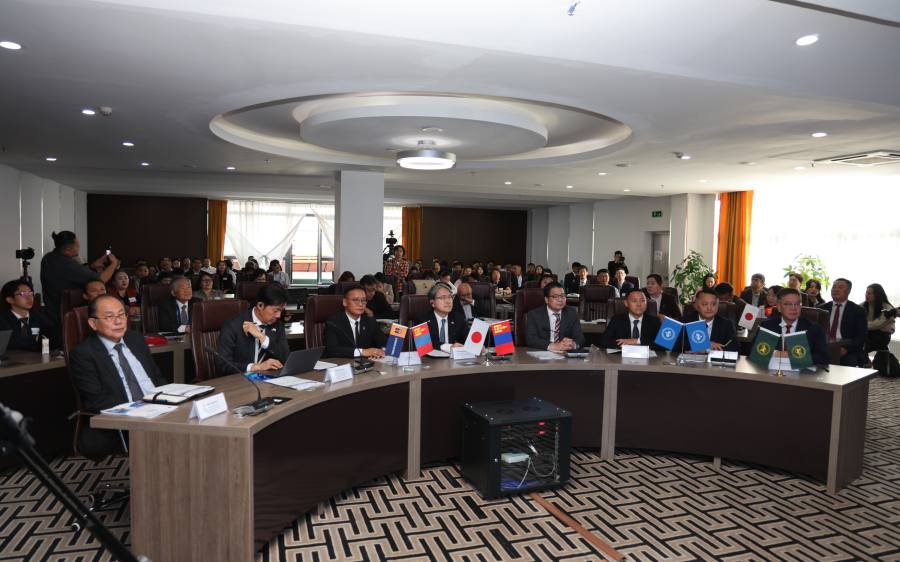
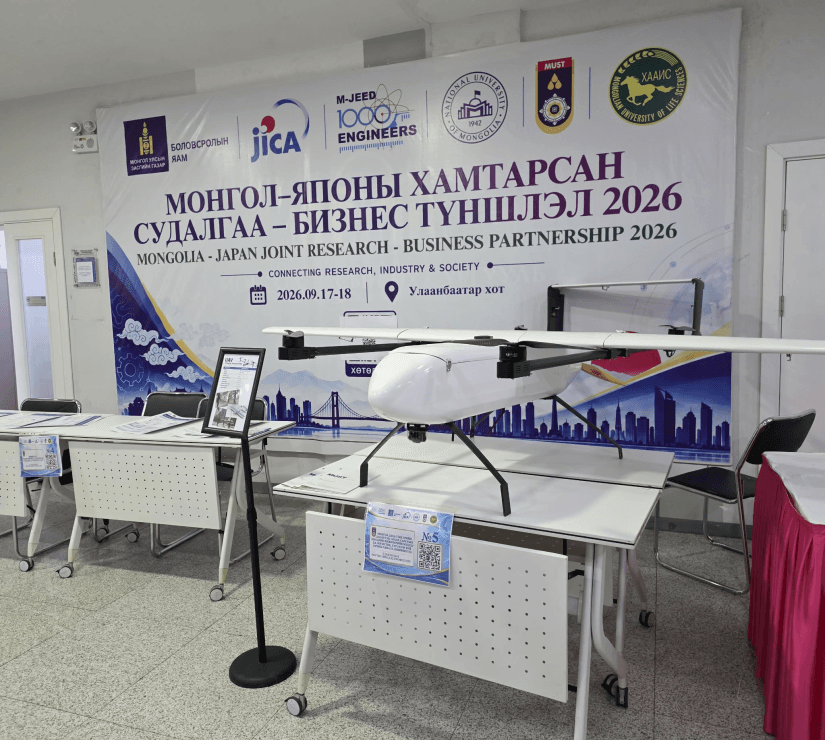
Ulaanbaatar, September 18, 2026 /MONTSAME/. The Ministry of Education, the Japan International Cooperation Agency, the “Mongolian-Japan Higher Engineering Education” (M-JEED) Project, the Mongolian University of Science and Technology (MUST), the National University of Mongolia, and the Mongolian University of Life Sciences jointly organized the “Mongolia-Japan Joint Research-Business Partnership 2026” event on September 17.
The event aimed to strengthen cooperation among universities, research institutions and businesses in Mongolia and Japan and create more opportunities to turn the results of joint research into practical applications in industry, technology, innovation, and business.
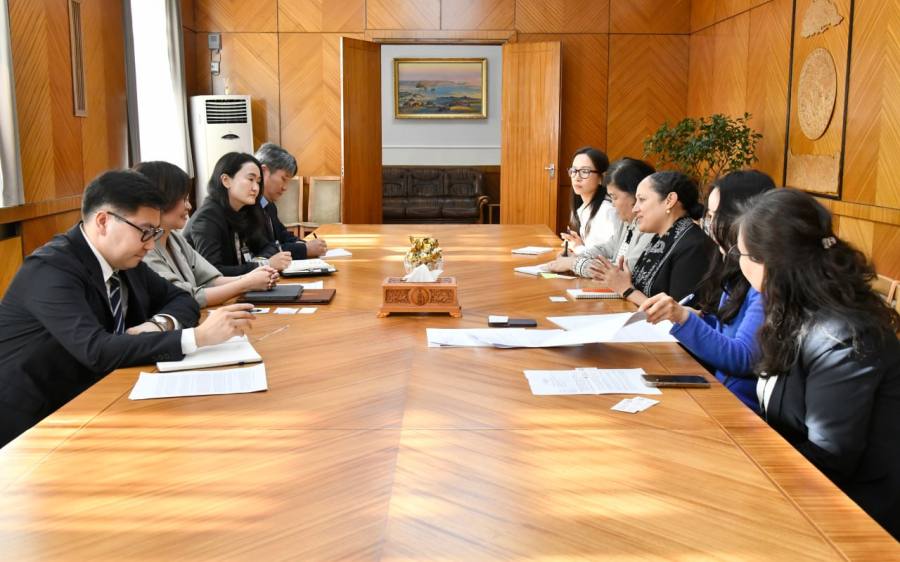
At the opening, Nyam-Ochir T., State Secretary of the Ministry of Education, and Masaru Igawahara, Ambassador Extraordinary and Plenipotentiary of Japan to Mongolia, delivered remarks, highlighting that Mongolia-Japan cooperation is expanding beyond education and human resource development into research, technology, innovation, and business partnerships.
The event also reviewed the progress and achievements of the “Mongolian-Japan Higher Engineering Education,” or “1,000 Engineers,” project and discussed ways to build on the project’s research achievements by promoting their practical application in industry and business.
Munkhtulga B.. Project Adviser, presented an overview of the implementation and future objectives of the “1,000 Engineers” project, while Tsolmonbaatar D., Vice President for Research and Innovation at MUST, presented the project’s implementation and achievements at MUST, as well as the improvements it has brought to the university’s educational and research environment.
Through the “1,000 Engineers” project, MUST has undertaken extensive work to modernize its engineering programs, strengthen the capacity of teachers and researchers, upgrade teaching and research laboratories, and promote joint research with Japanese counterparts. As part of the project, 1,469 pieces of equipment and instruments across 131 categories have been supplied to 44 laboratories at MUST.
The project has also enabled MUST to establish broad cooperation with Japanese business organizations, as well as partnerships with 10 consortium universities in Japan and more than 40 universities and research institutions in the field of research.
This year’s event focused not only on showcasing research findings but also on exploring ways to turn them into practical technologies and products and create business opportunities. Officials noted that Mongolia-Japan cooperation is expanding from engineering education and human resource development into research, innovation, technology transfer and business partnerships.
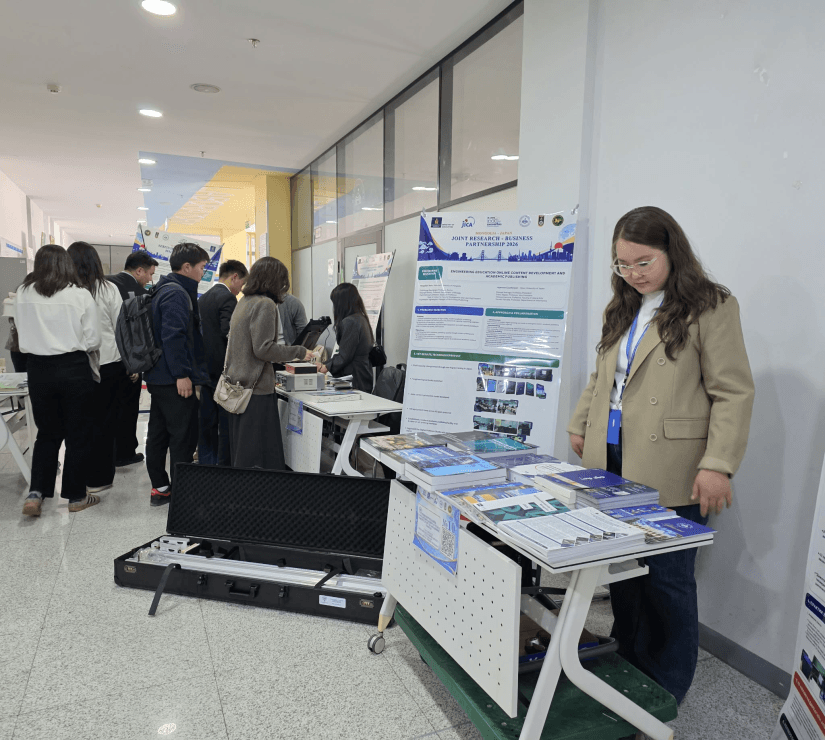
An exhibition showcasing the work and research findings of Mongolia-Japan joint research teams, along with poster presentations and networking sessions, was held as part of the event.
The main research sessions covered six areas: biotechnology; new and advanced materials; environment; clean and renewable energy; digital technology; and agriculture and food technology.
MUST researchers presented the findings of studies conducted jointly with their Japanese counterparts in these fields and discussed opportunities for further collaboration, technology transfer, and applying the research results in industry and business.