Loading…
Loading…

MONTSAME
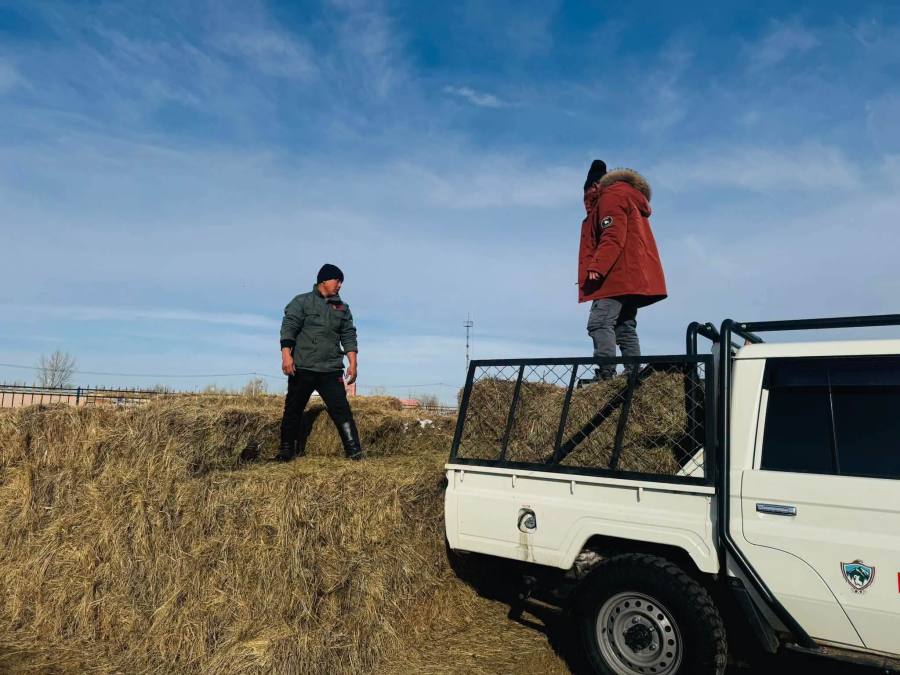
Ulaanbaatar, October 28, 2026 /MONTSAME/. Preliminary estimates show that 468,965.7 hectares, or 79.8% of the Numrug Strictly Protected Area in Khalkhgol soum, Dornod aimag, have been affected by a wildfire.
A working group established by an order of the soum governor is assessing the environmental damage caused by the fire. Meanwhile, the Ministry of Environment and Climate Change has deployed a 17-member team of experts to provide technical and methodological support to local environmental and law enforcement authorities.
The team includes representatives of the Professional Association of Environmental Assessors, the National Forensic Agency of Mongolia, and the Ecological Police Service, as well as researchers and experts specializing in geography, wildlife, botany, forestry, biology, air quality, risk management, and forest fires.
The experts are helping scientifically assess the scale and impact of the environmental damage and identify appropriate restoration measures.
Located in the western part of the Great Khingan Range, the Numrug Strictly Protected Area is ecologically significant for its biodiversity and its diverse forest, forest-steppe, steppe, and river ecosystems in eastern Mongolia.
The area was first placed under state protection in 1992 and expanded in 2019 to cover 587,700 hectares. It is home to 487 plant species, 263 bird species, and 24 fish species. It also provides habitat for rare wildlife, including the Manchurian moose, brown bear, red deer, and Eurasian otter. Given its ecological significance, post-fire restoration must take into account the area's unique ecosystems and biodiversity.
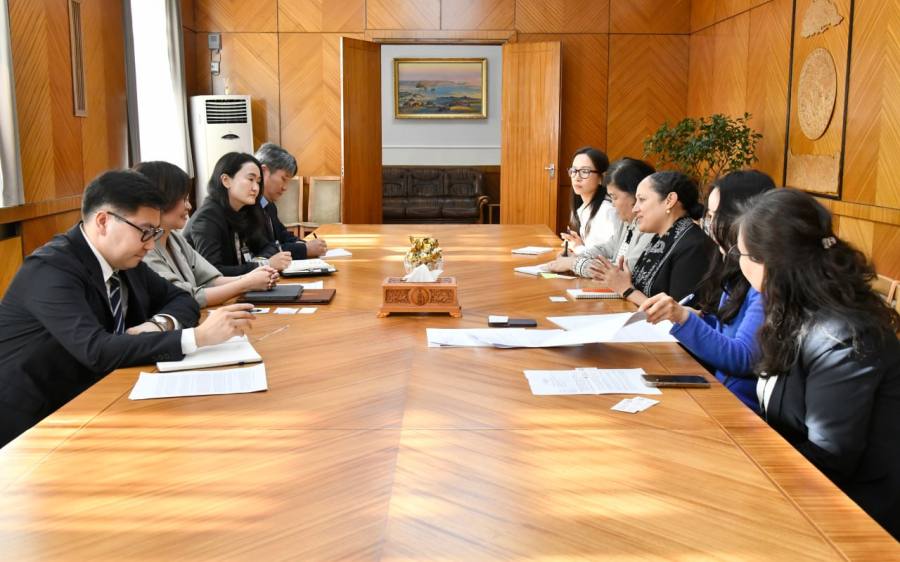
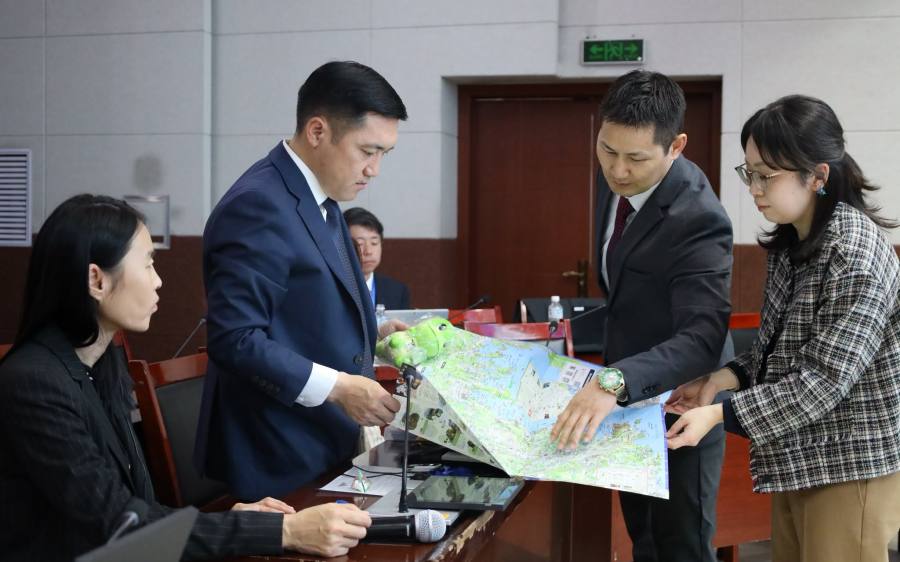
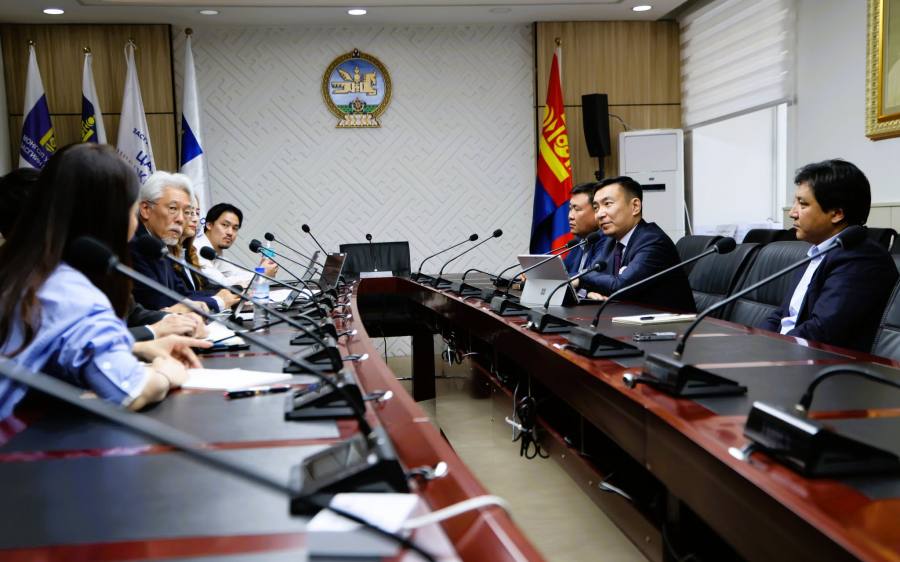
In this connection, Batbayar Shurenchuluun, State Secretary of the Ministry of Environment and Climate Change, and Enkhmunkh Ganbold, Director-General of the Environmental Policy Implementation Department at the Ministry of Environment and Climate Change of Mongolia, met with David Tsunakake, Head of the Development Cooperation Section at the Embassy of Japan, Dr. Motohiro Hasegawa, a senior adviser on biodiversity and ecosystem conservation at the Japan International Cooperation Agency (JICA), and other officials to discuss potential cooperation in assessing the fire damage and restoring the affected ecosystems.
The meeting addressed the possibility of securing Japanese technical and expert support to protect the habitats of rare wildlife that fled the fire and moved to unaffected areas, implement necessary wildlife management measures, assess the affected ecosystems' capacity for natural recovery, and develop short-, medium- and long-term restoration plans based on the damage assessment.
Dr. Hasegawa shared his experience participating in research on ecosystem recovery following the major wildfire that struck Yellowstone National Park in the United States in 1988. The participants agreed to exchange expertise with Mongolian specialists and researchers on how lessons from that experience could be applied to the situation in Numrug.
The sides also discussed expanding cooperation on projects to combat desertification and land degradation, proposals previously submitted to Japan within the framework of the 17th session of the Conference of the Parties to the United Nations Convention to Combat Desertification (UNCCD COP17), and initiatives to reduce risks associated with dzud and climate change.
Meanwhile, the Ministry is working to mobilize support from international organizations and partner countries for damage assessment, ecosystem restoration, and biodiversity conservation at the protected area during the 17th meeting of the Conference of the Parties to the Convention on Biological Diversity (CBD COP17), currently taking place in Armenia.
Restoring the Numrug Strictly Protected Area involves more than recovering vegetation in fire-affected areas. It requires a comprehensive, long-term effort to protect wildlife habitats, maintain ecosystem connectivity, and conserve biodiversity. The Ministry is therefore focusing on coordinating accurate damage assessments, restoration planning, and efforts to secure international technical assistance and funding.