Loading…
Loading…

MONTSAME

Ulaanbaatar, September 23, 2026 /MONTSAME/. The Food and Agriculture Organization (FAO) of the United Nations is hosting the "FAO Global Conference for Actions on One Health in Agrifood Systems" on September 21-23, 2026, in Rome, the Italian Republic.
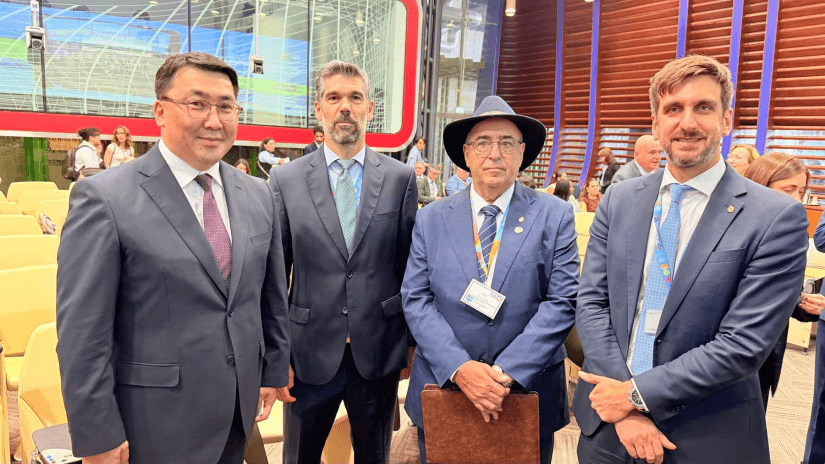
Jambaltseren Tumur-Uya, State Secretary of the Ministry of Food, Agriculture and Light Industry, attended the conference and delivered opening remarks at the side event titled "One Health and the International Year of Rangelands and Pastoralists."
In his opening speech at the side event, State Secretary Jambaltseren shared Mongolia's unique features and experience. He highlighted that Mongolia continues to demonstrate this by sharing its rich knowledge and practices of pastoral livestock farming with the world, as well as by protecting global rangelands, the interests of pastoralists, and traditional ways of life.
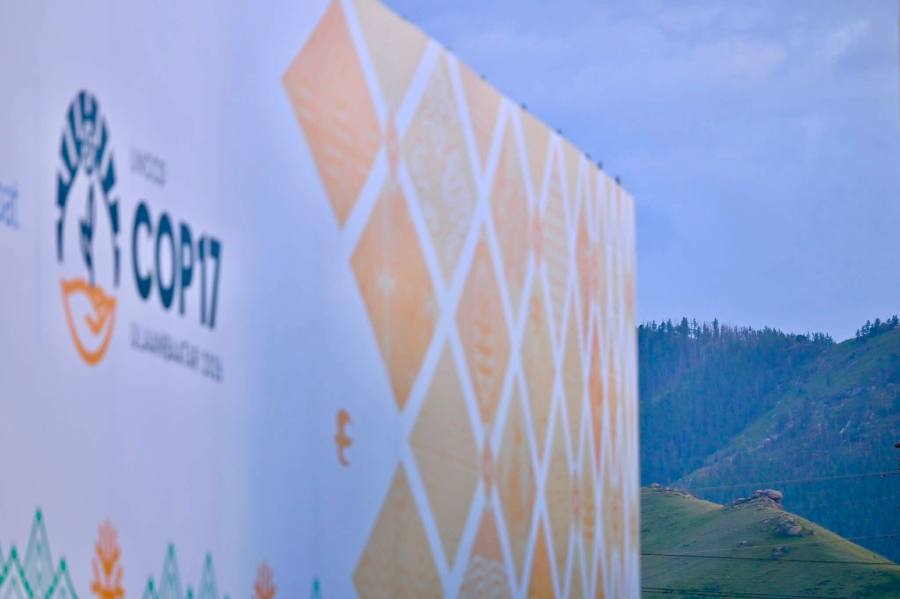
Specifically, Mongolia spearheaded the initiative to declare the "International Year of Rangelands and Pastoralists," leading the United Nations General Assembly to officially proclaim 2026 as the "International Year of Rangelands and Pastoralists." Under this framework, the World Pastoralists Congress was organized in Ulaanbaatar last August, adopting the "Global Pastoralists Declaration," the "Herder Women's Declaration," and the "Young Pastoralists Declaration." He emphasized that these declarations were subsequently submitted to and discussed at the 17th Conference of the Parties (COP17) to the UN Convention to Combat Desertification held in Mongolia, resulting in the adoption of a standalone decision on "Rangelands and Pastoralism."
He noted in his speech that while "One Health" is recognized as a modern science-based concept, for Mongolians, it is a system that has been integrated into daily life and traditional culture for centuries.
Mongolian herders have a long-standing tradition of rotating pastures and undertaking seasonal migrations adapted to the four seasons, allowing rangelands to rest and soil to regenerate. Additionally, Mongolians have a rich heritage of tailoring their diet to seasonal weather conditions and the biological needs of the human body. These traditions and customs are viewed as concrete, vivid examples of the "One Health" concept, harmonizing the health of nature, livestock, animals, and humans with climatic features. State Secretary Jambaltseren emphasized that protecting rangelands and herders' traditional culture and lifestyle while increasing sustainable production presents a major opportunity to combat climate change, strengthen safe and sustainable food systems, and advance the policies and actions of the "One Health" initiative.
Furthermore, he stressed the interconnectedness of human, animal, rangeland, and environmental health, noting that Mongolia's traditional nomadic livestock husbandry, seasonal migration, and traditional rangeland restoration methods serve as real-world examples of the "One Health" approach. He called for strengthening international cooperation to combine pastoralists' traditional knowledge with modern science, innovation, and technological advances, increase investments in rangeland ecosystems and animal health, and expand opportunities for eco-friendly, sustainably produced livestock products to enter international markets.
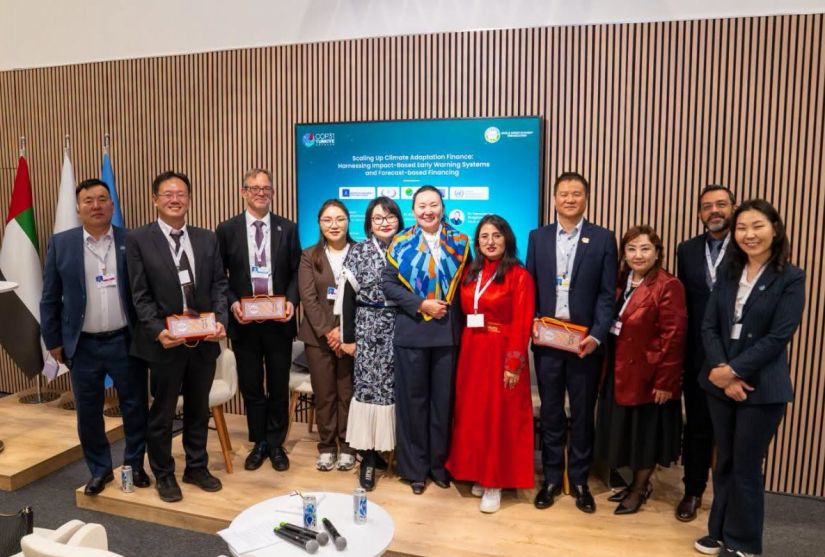
The event was attended by agriculture ministers from countries including Uruguay and Ireland, along with representatives of young herders and researchers from various nations.
Initiated by Mongolia, the "International Year of Rangelands and Pastoralists" is being widely celebrated around the world this year, with Mongolia chairing its Steering Committee.