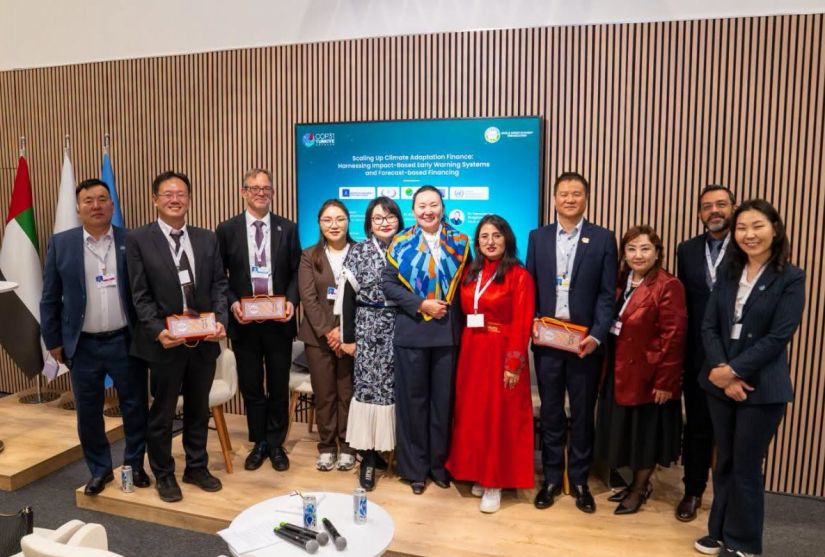
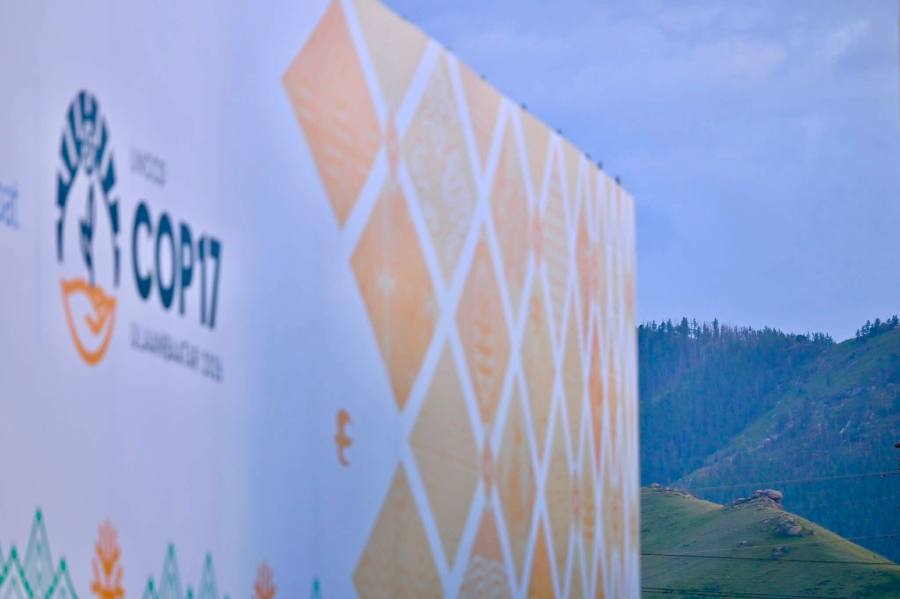
Ulaanbaatar, August 17, 2026 /MONTSAME/. Monpolymet, one of Mongolia's largest enterprises, participating in the 17th session of the Conference of the Parties to the United Nations Convention to Combat Desertification (UNCCD COP17).
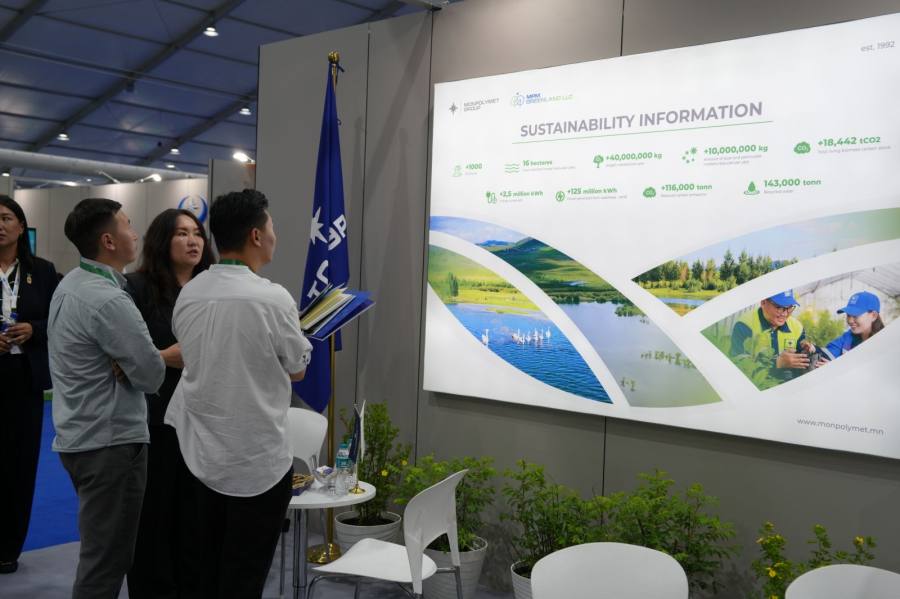
Monpolymet is presenting its “Build Green Land” project, designed to restore degraded land at the ecosystem level and serve as a replicable model for other regions of Mongolia. Alongside MPM GreenLand, a company specialized in providing professional land rehabilitation services.
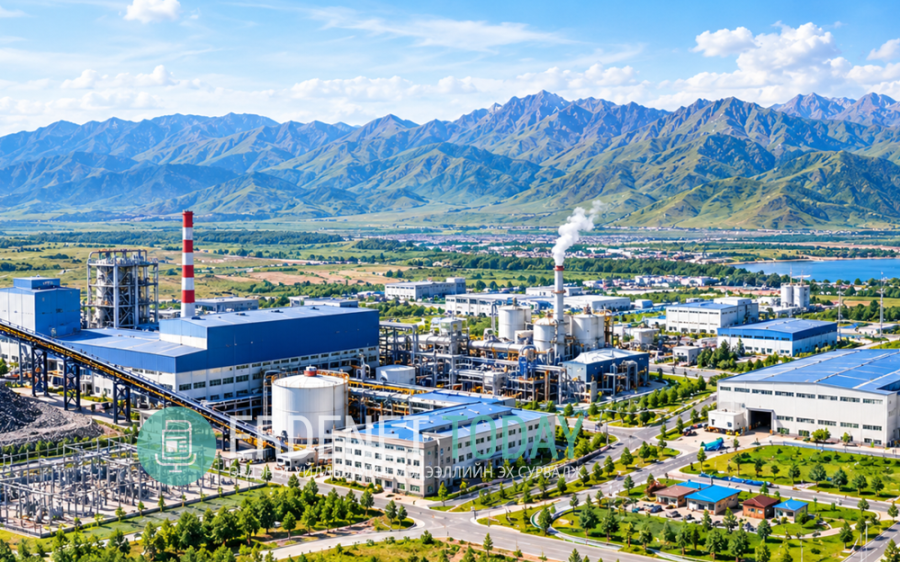
Monpolymet is also known for its responsible mining operations. The company successfully implemented environmental rehabilitation for more than 30 years. A contribution to Mongolia in combating land degradation and desertification. Its “Build Green Land” project was selected through the National Green Lab platform as one of 15 projects to be presented to domestic and international investors at COP17.
To date, the company has completed biological rehabilitation across 654 hectares, restored more than 300 hectares of pastureland, and planted and cultivated over 460,000 trees. It has also established a five-hectare fruit and berry plantation. The Creation of Toson Lake a 16-hectare freshwater lake where five species of fish now live. These achievements demonstrate that post-mining land can be transformed beyond conventional rehabilitation into productive and ecologically valuable landscapes. Ensuring the support of healthy ecosystems, pastureland, water resources, and biodiversity.
“Going forward, through MPM GreenLand, we aim to apply this experience to the rehabilitation needs of other mining companies and to the restoration of degraded sites that have remained abandoned for many years. We also seek to mobilize private-sector investment and green finance for land restoration,” said Octyabri T., Project Manager of Build Green Land.
As part of the project, Monpolymet has undertaken comprehensive ecosystem restoration of land degraded by irresponsible mining and illegal extraction activities and left without rehabilitation for more than 20 years. The project is designed to protect biodiversity, increase the distribution and availability of native plant species, and ensure the long-term sustainability of restored ecosystems.
One of the project’s distinctive features is the cultivation of medicinal plants traditionally used by local communities and commonly applied to support the treatment of cardiovascular, respiratory, and kidney-related conditions. By integrating ecosystem restoration with local traditional practices and community needs, the project aims to generate tangible environmental and social benefits while introducing an innovative approach to land rehabilitation.
Delger B., Chief Executive Officer of Monpolymet LLC, said, "Desertification and land degradation cannot be addressed by government alone. We need a partnership in which the government establishes the right policies and economic incentives, while the private sector contributes capital, technology, and practical experience.
For example, Article 22.9.1 of Mongolia’s Corporate Income Tax Law provides tax incentives for investments aimed at protecting and restoring natural resources and mitigating desertification. To substantially increase private-sector investment in combating desertification and land degradation, Mongolia could consider stronger economic incentives, including increasing the current 1% limit to as much as 5%.
Our goal is to transform more than 30 years of rehabilitation experience into a scalable green business model that can help reduce land degradation and desertification across Mongolia while creating opportunities to attract investment into land restoration.”
Monpolymet LLC is showcasing its environmental rehabilitation activities, practical experience, and the new Build Green Land initiative at Pavilion A10 in the Green Zone at COP17.