Loading…
Loading…

MONTSAME
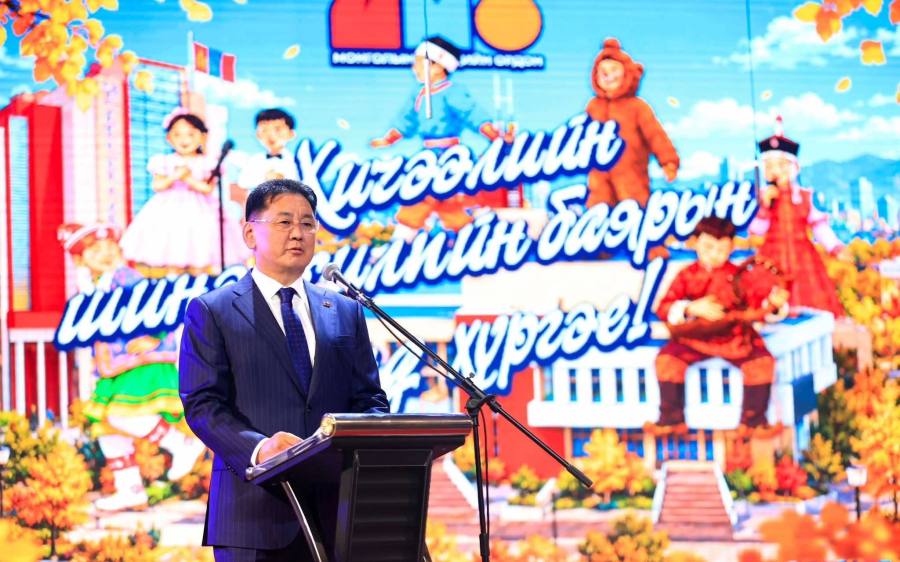
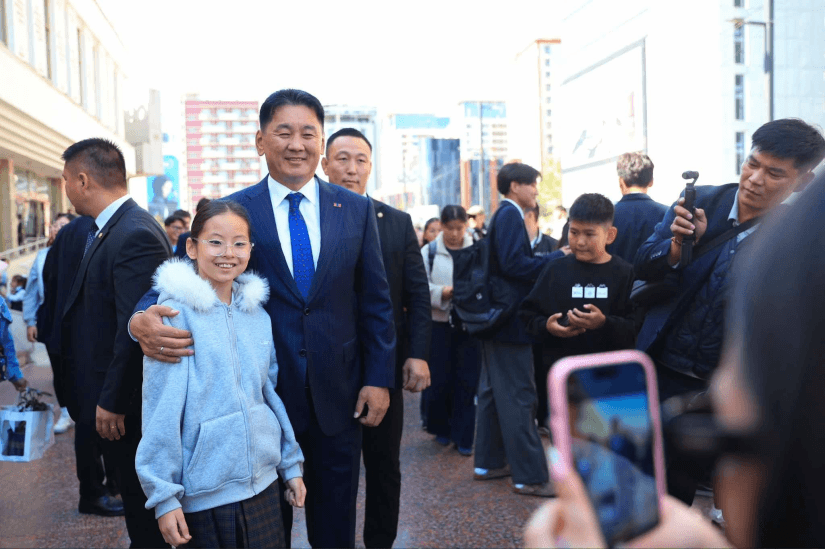
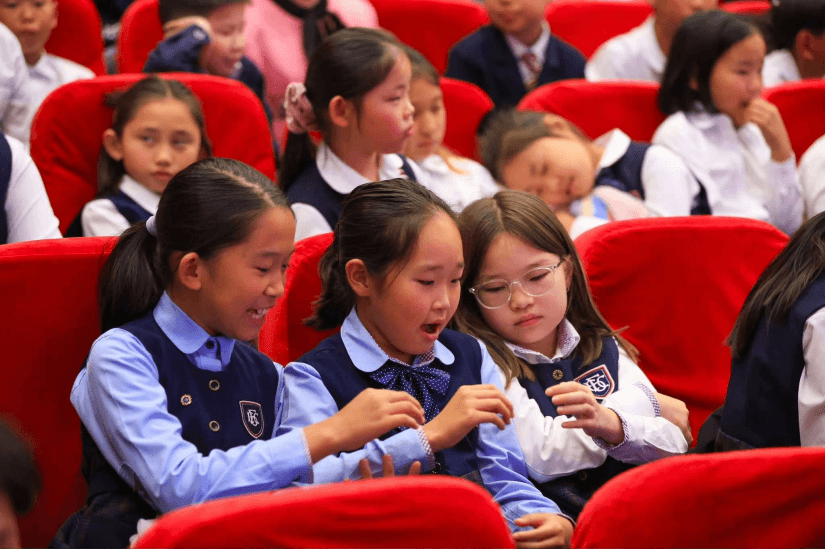
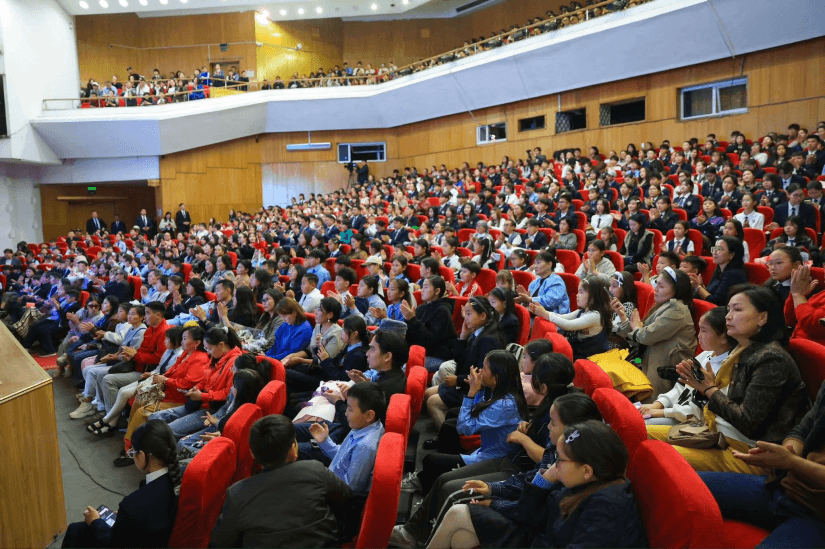
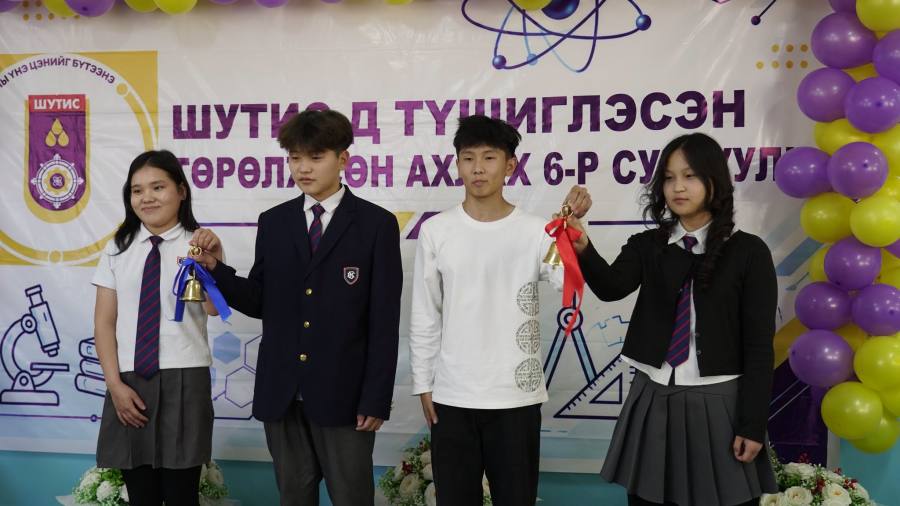
ULAANBAATAR, September 8, 2026 /MONTSAME/. The 68th academic year of Mongolia’s Children’s Palace, an institution that plays an important role in nurturing children’s talents, aspirations, and future development, officially opened on September 7, with President of Mongolia Khurelsukh Ukhnaa in attendance.
President Khurelsukh extended his greetings and best wishes for success to the generations of leaders, teachers, educators and trainers, as well as the children, who have helped nurture generations of sports champions, researchers, and leading figures in arts and culture and prepare outstanding citizens to contribute to the country’s development.
He emphasized that creating a comprehensive environment to nurture children with knowledge and education, intellectual abilities, talents, creativity, physical fitness, diligence and dedication should be a key priority of government policy. He also said that investment in children today is the most valuable investment in building tomorrow.
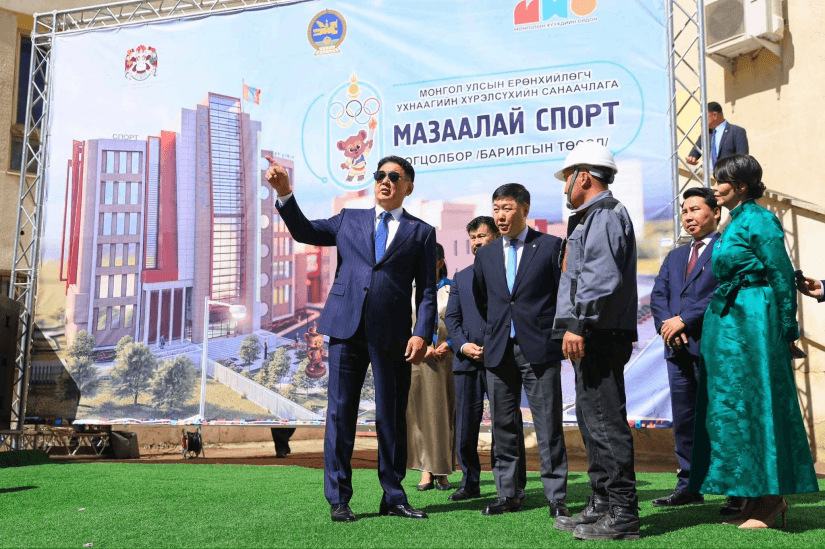
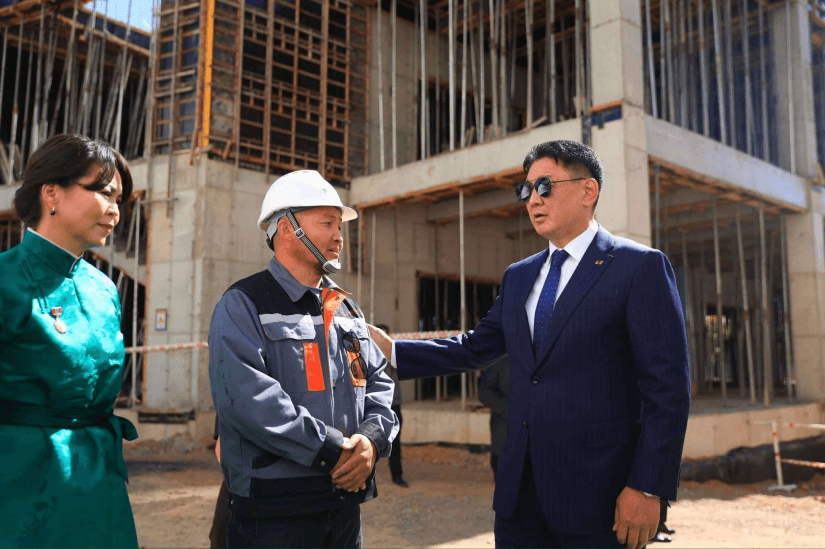
At the initiative of the President, construction of the Mazaalai Sports Complex, featuring Mongolia’s iconic mazaalai, or Gobi bear, as its emblem, is currently underway next to the Children’s Palace. The complex is scheduled to open by June next year and will offer regular training in 13 sports, serving more than 7,000 children annually. It is also expected to provide more than 40,000 children and young people with opportunities to engage in sports and spend their free time productively.
President Khurelsukh instructed the Ulaanbaatar Mayor’s Office, as the project client, and contractor Total Ideal to complete construction on schedule and to a high standard.
The Children’s Palace currently offers 24 types of extracurricular programs each year, serving more than 4,000 children, while providing cultural and arts services to thousands more. Last year, 486 students from the Children’s Palace participated in events held in 28 countries, promoting Mongolia’s national heritage and culture.
Beginning this academic year, the Children’s Palace has introduced new IELTS and TOEFL preparation programs for high school students and opened a German-language class. It also plans to provide arts master classes and cultural services to more than 30,000 children living and studying in remote areas of the capital and its districts.
Mongolia established the Children’s Palace in 1958 to discover and develop every child’s talents, nurture future bearers of the country’s artistic and cultural heritage, and provide aesthetic education and career guidance through arts and sports.
Today, the institution has more than 100 teachers and staff and provides extracurricular education to more than 4,000 children. More than 170,000 children have graduated from the Children’s Palace since its establishment.