Loading…
Loading…

MONTSAME
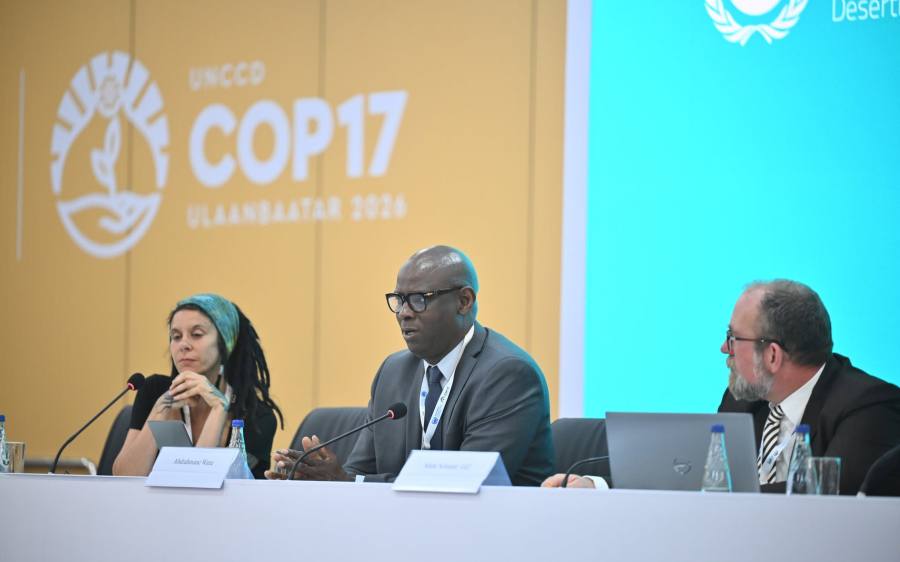
Ulaanbaatar, August 27, 2026 /MONTSAME/. During the "Land and People Day” at COP17, the Secretariat of the UN Convention to Combat Desertification (UNCCD), the German Agency for International Cooperation (GIZ), and the International Livestock Research Institute (ILRI) presented a report titled "Rangelands Rising: Investing in Sustainable Management and Restoration." The presentation detailed the report's findings, significance, and opportunities for investing in sustainable rangeland management.
Developed with the support of GIZ, the report involved 10 specialized experts and scientists. The co-lead experts expressed their satisfaction in presenting the report ahead of COP17.
Abdrahmane Wane, co-author and academic researcher from the International Livestock Research Institute, said, "We focused on involving pastoralists and residents in the decision-making process and delivering inclusive economic opportunities to them. With half of the world's land degraded, we need to show decision-makers the value of restoring rangelands and investing in land. This report recognizes and highlights the herders who have protected their lands for generations. Furthermore, increasing rangeland resilience is a form of protecting business, so we urge the public and private sectors to invest."
Mark Schauer, co-author representing the Economics of Land Degradation Initiative of the German Agency for International Cooperation, explained, "This report is significant because it looks at land degradation not only as an environmental issue but also from an economic perspective. During previous international meetings, similar changes and challenges occurring in rangeland regions were discussed. There are international reports and studies globally regarding pastoralists and rangeland ecosystems. This report is unique in that it focuses on how to increase investments, starting from calculating the cost of the problem and the economic opportunities."
Furthermore, the experts noted that realizing some of the initiatives and solutions outlined in the report requires on-the-ground investments and empowering affected citizens. Doing so will not only promote sustainable land use, mitigate land degradation, and build rangeland resilience, but also unlock new economic opportunities for pastoralists and local communities. They also emphasized that these efforts will contribute significantly to ensuring food security and fostering healthy ecosystems.