Loading…
Loading…

MONTSAME
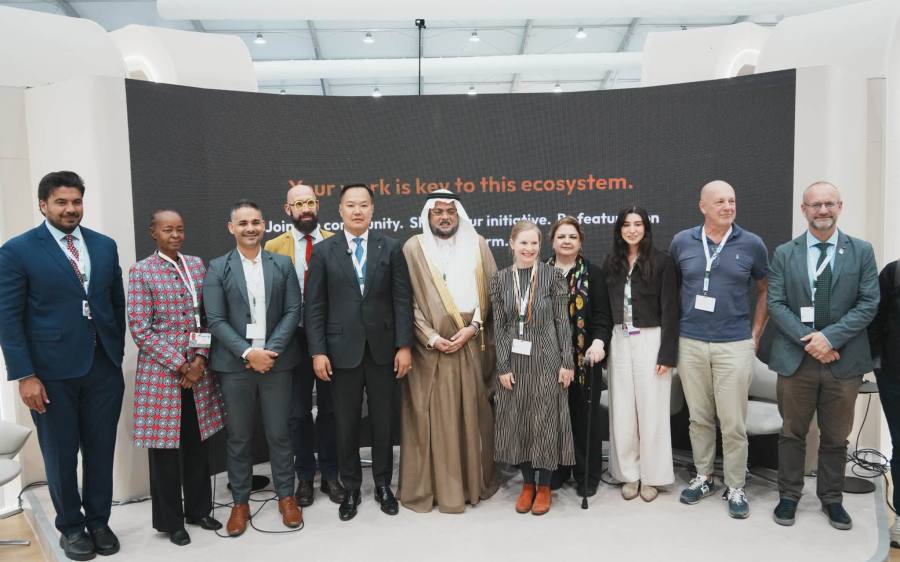
Ulaanbaatar, August 19, 2026 /MONTSAME/. The Riyadh Action Program Public Platform was presented at the 17th Conference of the Parties (COP17) to the United Nations Convention to Combat Desertification (UNCCD).
The platform is a continuation of the Riyadh Action Program, launched during COP16 in Saudi Arabia in 2024. It is designed to showcase concrete actions being implemented around the world to reduce land degradation and accelerate land restoration.
The program seeks to coordinate voluntary initiatives and actions by countries to restore 1.5 billion hectares of degraded land by 2030. The platform will bring together partner initiatives in one digital space, assess contributions to land restoration, and facilitate expanded cooperation.
Munkhtamir Batbayar, Deputy Minister of Environment and Climate Change, expressed Mongolia's support for the public platform and said the government would align its proposed “Steppe Plan” with the Riyadh Action Program.
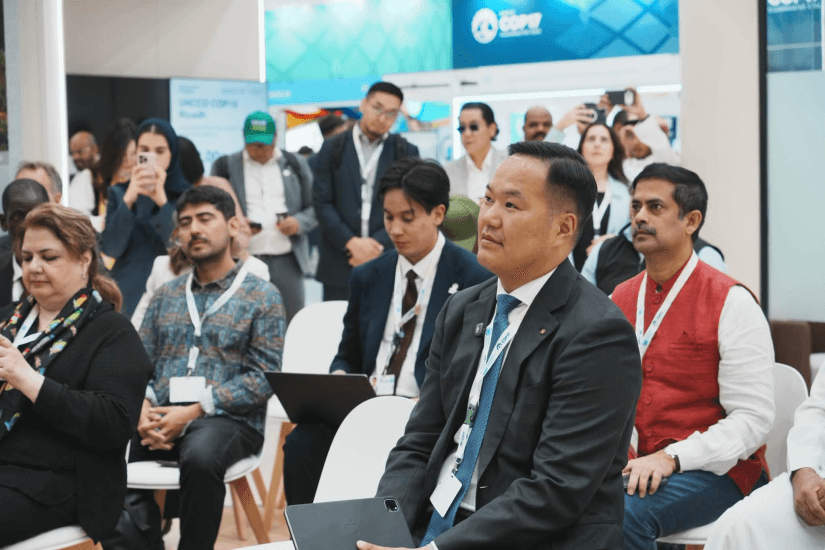
“As Mongolia hosts COP17, we attach importance to maintaining continuity among successive host countries and preserving the momentum of existing partnerships and cooperation. The Riyadh Action Program and Mongolia's Steppe Plan are complementary initiatives that can help accelerate concrete action under the UN Convention to Combat Desertification,” he said.
He noted that three flagship initiatives under the Steppe Plan — the Pasture Priority Initiative, Integrated Water and Land Management Initiative, and Nature-Based Sustainable Development Initiative — will be linked to the Riyadh Action Program Public Platform.
Mongolia's “Billions of Trees” National Movement and “333 Lakes” Initiative, along with numerous projects and programs implemented by the private sector, civil society and research institutions, are also joining the platform.
“Going forward, Mongolia will work closely with the initiatives launched at COP16, the UNCCD Secretariat, the Ambition Loop and members of the Riyadh Action Program to promote an integrated approach that addresses land, water, climate change and biodiversity in an interconnected manner,” Munkhtamir said.