Loading…

MONTSAME
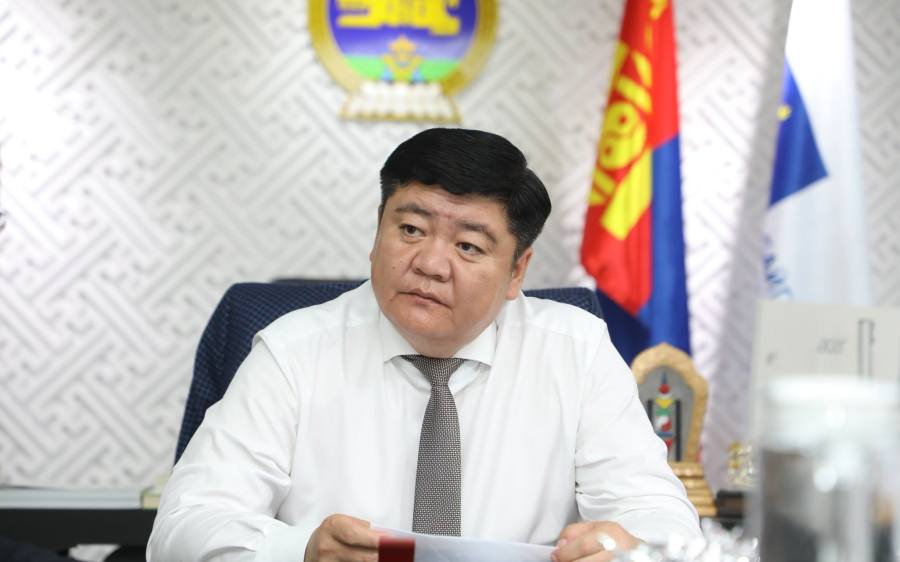
Ulaanbaatar, August 16, 2026 /MONTSAME/. We spoke with Sandag-Ochir Tsend, Member of the State Great Khural (Parliament), Member of the Government, Minister of Environment and Climate Change, and Chair of the National Committee for Organizing the 17th Session of the Conference of the Parties (COP17) to the United Nations Convention to Combat Desertification.
Mongolia will host the 17th Conference of the Parties to the United Nations Convention to Combat Desertification (UNCCD COP17) in 2026. Why is this event important for Mongolia and for the world?
The UNCCD Conference of the Parties is the leading global platform for governments to agree on priorities and actions to address drought, desertification, and land degradation.
Mongolia submitted its bid to host COP17 in 2022. For us, hosting the conference is both an honor and a responsibility. As a country located in one of the world's major dryland regions, we understand first-hand the environmental, social, and economic impacts of land degradation and drought.
These issues are no longer viewed solely as environmental concerns; they are now recognized as global concerns. They affect food production, water security, livelihoods, migration, and economic stability. Across many parts of the world, including Mongolia, communities are already experiencing these pressures in their daily lives.
COP17 provides an opportunity to bring practical experience into global discussions. Mongolia aims to ensure that the perspectives of pastoralists, scientists, women, young people, and decision-makers are represented in discussions about the future of land management. We also hope to demonstrate that restoring land is closely linked to protecting livelihoods, preserving cultural heritage, and creating long-term opportunities for communities.
What message does Mongolia hope to deliver to the international community through COP17?
Our message is clear: HEALTHY LAND IS FUNDAMENTAL TO A SUSTAINABLE FUTURE.
Many global commitments on climate change, biodiversity, and sustainable development ultimately depend on how land is managed. Productive and healthy ecosystems support food systems, secure water resources, conserve biodiversity, and strengthen resilience to climate-related risks.
Through COP17, Mongolia aims to promote practical cooperation and encourage increased investment in land restoration. The international community has committed to restoring 1.5 billion hectares of degraded land, yet current levels of financing remain far below what is needed. Closing this gap will require political commitment, innovative financing mechanisms, and stronger partnerships among governments, businesses, and local communities.
We also want to encourage a broader understanding of drylands. They are often associated with degradation and vulnerability, yet they are also areas of immense value and potential. Drylands support half of the world's livestock, contain nearly half of global croplands, and hold a significant share of global carbon stocks. Their future is closely connected to global food security, climate resilience, and sustainable development.

Mongolia is known worldwide for its nomadic heritage and vast rangelands. How will these characteristics be reflected in COP17?
Mongolia's nomadic heritage and centuries of experience in managing rangelands offer valuable insights for sustainable land stewardship.
More than 70 percent of Mongolia's territory consists of rangelands. Around 190,000 herder households depend directly on these ecosystems. Beyond supporting livestock production, rangelands contribute to biodiversity conservation, water regulation, carbon storage, and rural livelihoods.
The decision adopted at COP16 on Rangelands and Pastoralists reaffirmed the importance of rangelands for food systems, ecosystem health, and climate resilience. Mongolia intends to use COP17 to highlight approaches that combine science, sound policy, local participation, and traditional knowledge to improve the long-term sustainability of these landscapes.
The timing is particularly significant as 2026 has been designated the International Year of Rangelands and Pastoralists. This creates an opportunity to place greater international attention on the role of rangelands in addressing challenges related to climate change, drought, land degradation, and food security.
How will COP17 contribute to Mongolia's national development?
COP17 can support Mongolia's efforts to advance a more resilient, inclusive, and environmentally sustainable model of development.
Land degradation affects a wide range of sectors, including agriculture, livestock production, water resources, mining, infrastructure, tourism, and urban development. Addressing these challenges requires coordinated action among government institutions, the private sector, local communities, and international partners.
The conference also provides an opportunity to strengthen public awareness and engagement, particularly among young people. Sustainable land management is not solely the responsibility of governments or international organizations. It requires participation at every level of society.
For Mongolia, COP17 is more than an international conference. It is an opportunity to contribute to global solutions while reinforcing national efforts to build a sustainable future for generations to come.
17th Conference of the Parties (COP17) Website: https://unccdcop17.org
RESTORING LAND
RESTORING HOPE