Loading…

MONTSAME
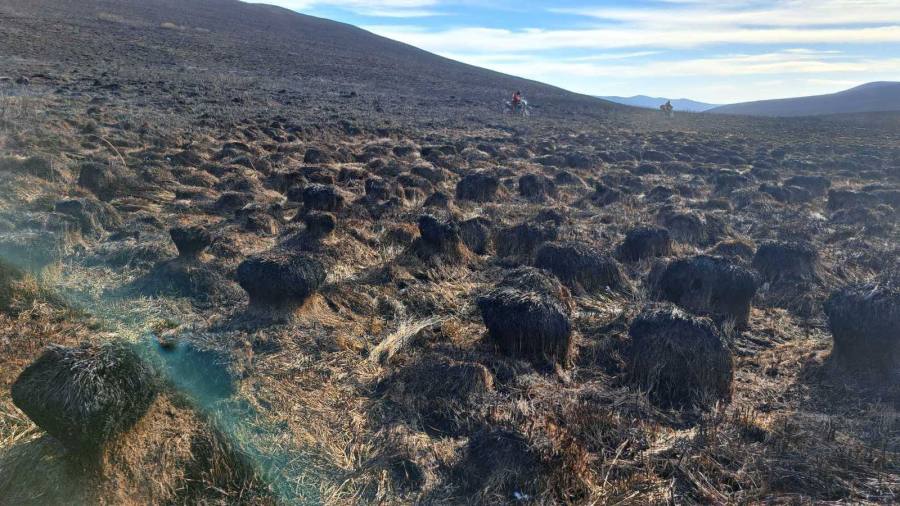
Ulaanbaatar, October 30, 2026 /MONTSAME/. A task force assessing the damage caused by the wildfire in the Numrug Strictly Protected Area has found that most of the aboveground biomass of steppe vegetation was burned in areas around Soyolz, Tsetsegt, Orch, Zaraa Mountain, Galdastai River, and Bichigt Tolgoi.
Meanwhile, observations showed that fire intensity in the affected birch forest ecosystems was relatively low to moderate, the Ministry of Environment and Climate Change reported.
The extent of damage to plant root systems, organic soil layers, soil fertility, and the ecosystems' capacity for natural recovery will be determined through detailed laboratory analyses. Samples collected during field studies will be tested to establish whether plant roots and organic matter were burned, identify changes in soil properties, and assess the overall impact on ecosystems. A final assessment of the environmental damage will be made based on the laboratory findings.

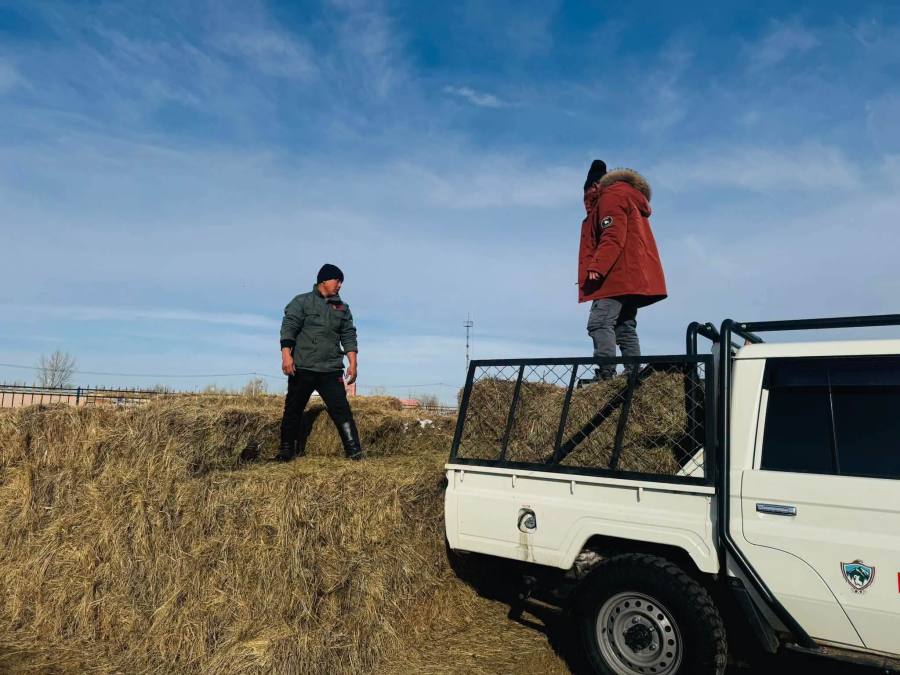
A team of scientists and researchers conducting the assessment of the wildfire's environmental impact and damage in the Numrug Strictly Protected Area in Khalkhgol soum, Dornod aimag, has completed field investigations and sample collection in hard-to-reach areas.
The working group, established by order of the Minister of Environment and Climate Change, comprises scientists, researchers, and experts with 16 to 50 years of professional experience in environmental protection, forestry, soil science, biodiversity, and environmental damage assessment.