Loading…
Loading…

MONTSAME
Ulaanbaatar, June 11, 2026 /MONTSAME/. The Government approved Mongolia’s National Biodiversity Strategy and Action Plan at its Cabinet session on June 10, setting out a roadmap for biodiversity conservation and ecosystem restoration through 2030.
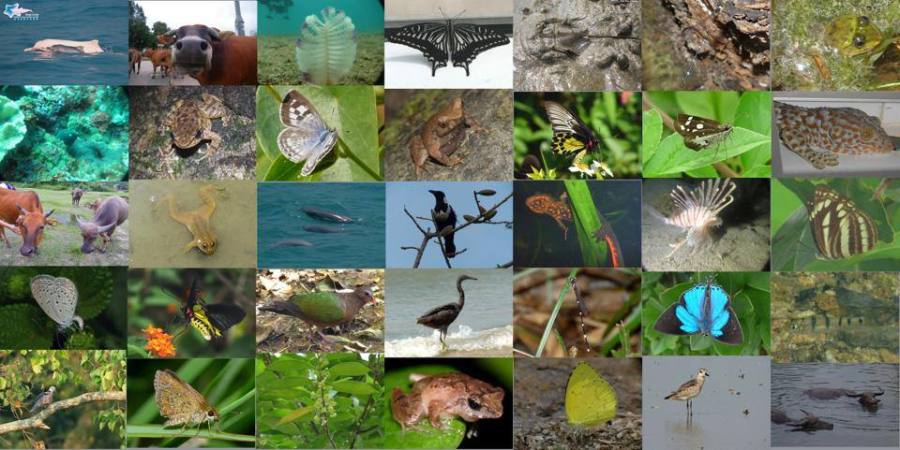
Mongolia is recognized as a country of significant biodiversity importance, encompassing diverse ecosystems including the Central Asian steppe, the Gobi Desert, high mountain landscapes, and internationally important wetlands. More than 14,000 species of plants, fungi, and animals have been recorded in the country, hundreds of which are classified as rare or endangered.
According to the Ministry of Environment and Climate Change, ecosystem degradation has intensified in recent years due to climate change, desertification, land degradation, and habitat loss, making biodiversity conservation a key issue for national security and sustainable development.
Mongolia joined the United Nations Convention on Biological Diversity in 1993 and regularly updates its national biodiversity strategy and action plans. The newly approved strategy aligns with the goals of the Kunming-Montreal Global Biodiversity Framework and includes 20 targets and 108 actions to be implemented between 2026 and 2030.
The plan aims to restore 30% of degraded land, place 30% of the country's territory under protected status, expand ecological corridors and connectivity networks, rehabilitate land damaged by mining activities, increase green and blue infrastructure in urban areas, and strengthen the protection of rare plant and animal species.
It also seeks to enhance biodiversity research and monitoring systems, increase participation from government agencies, the private sector, scientific institutions, and local communities, and improve financing mechanisms for conservation efforts.
Officials noted that the strategy will help Mongolia fulfill its obligations under the Convention on Biological Diversity while strengthening national capacity to protect natural resources and ecosystems, adapt to climate change, and advance sustainable development goals.
The approval of the strategy comes as Mongolia prepares to host the 17th session of the Conference of the Parties to the United Nations Convention to Combat Desertification (COP17) in Ulaanbaatar, marking an important step toward fulfilling the country's international environmental commitments.