Loading…
Loading…

Unurzul Mishigdorj
JARGALANT, November 27, 2026 /MONTSAME/. An archaeological exhibition titled "Kheemtseg Aduu" (Spirited Horse) is currently being held in Khovd aimag.
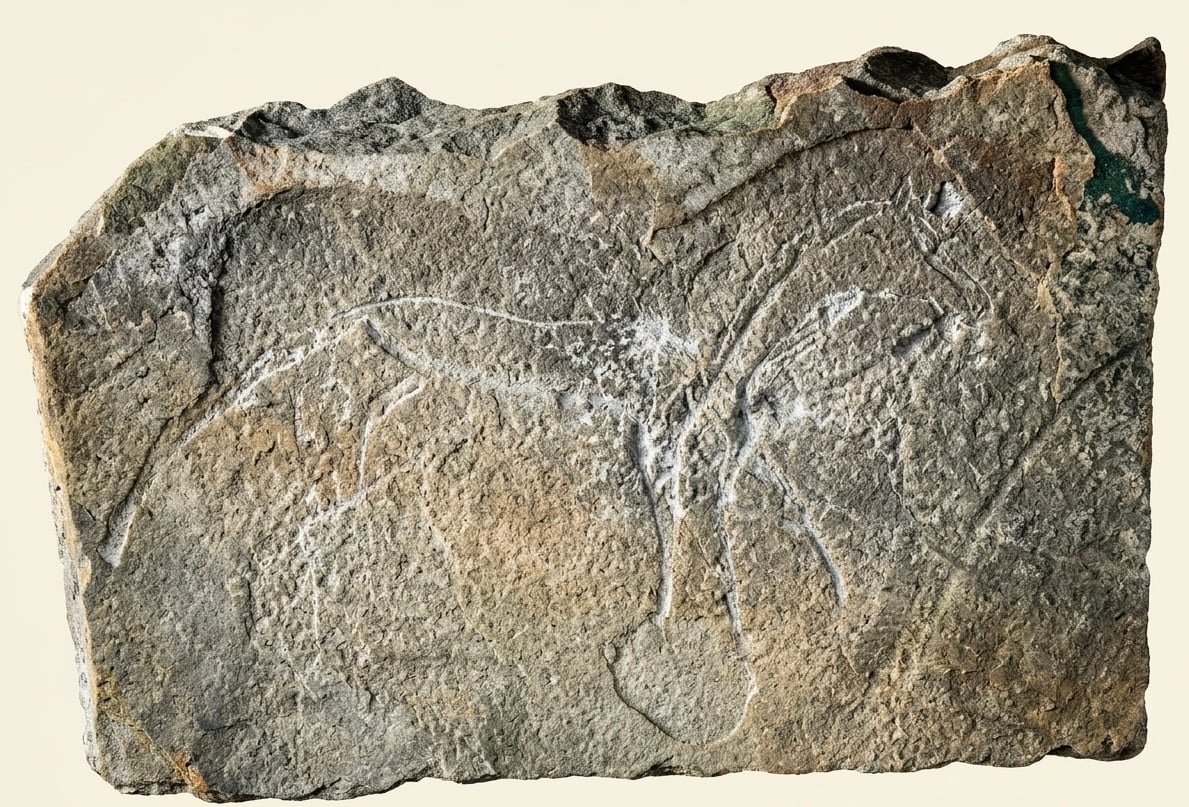
The exhibition opened on November 23 at the Hall of Pride of the Western Regional School of the National University of Mongolia (NUM) and will run for three weeks. On display are stone slabs featuring petroglyphs of horses, discovered during archaeological excavations and surveys in the high-mountain zone of the Mongol Altai Mountains.
These artifacts date back to the Early Bronze Age of Mongolia and belong to the Chemurchek culture. Over the past 20 years of archaeological research in the Mongol Altai region, researchers have uncovered and studied more than 40 burial, ritual, and funerary complexes associated with the Chemurchek culture, yielding numerous artifacts that reflect the culture, worldview, and religious beliefs of the people of that era.
Specifically, during joint Mongolian-Russian archaeological expeditions conducted between 2015 and 2019 across three ritual and burial complexes, researchers discovered over 700 hand-carved stone slabs and stone artifacts, more than 300 of which feature engraved petroglyphs.
Among these finds, nine intact stone slabs depicting native Mongolian horses of the Mongol Altai region, as well as long-legged horses belonging to the DOM2 genetic lineage, are featured in the exhibition. Researchers also highlighted that 12 stone slabs from Chemurchek burials are engraved with depictions of horses and chariots, demonstrating early traces of horse-and-chariot culture in the Mongol Altai region.
The exhibition is open to the general public, children, and youth. According to the Department of Social Sciences and Humanities at the NUM Western Regional School, the event plays a vital role in promoting the history of the horse, raising awareness of ancient cultural heritage, and disseminating the findings of archaeological research.