Loading…
Loading…

MONTSAME

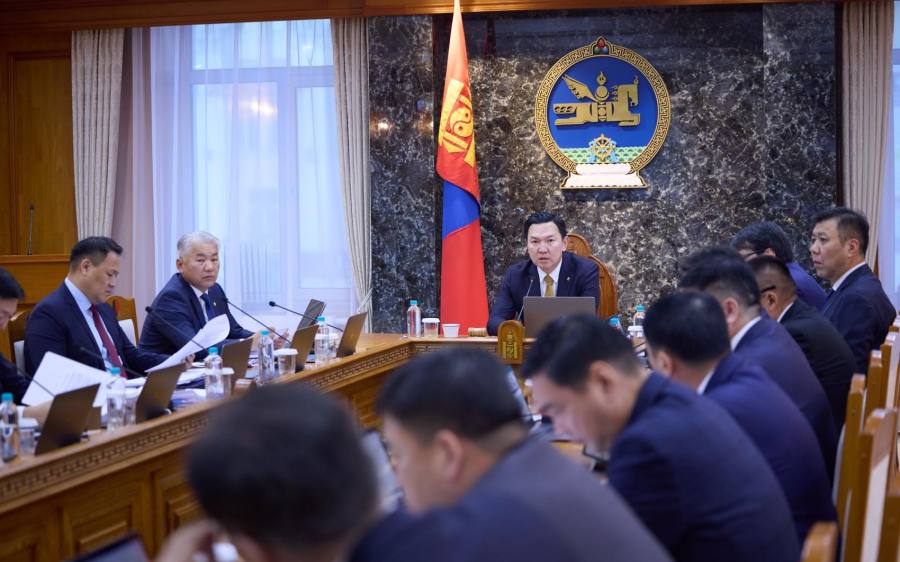
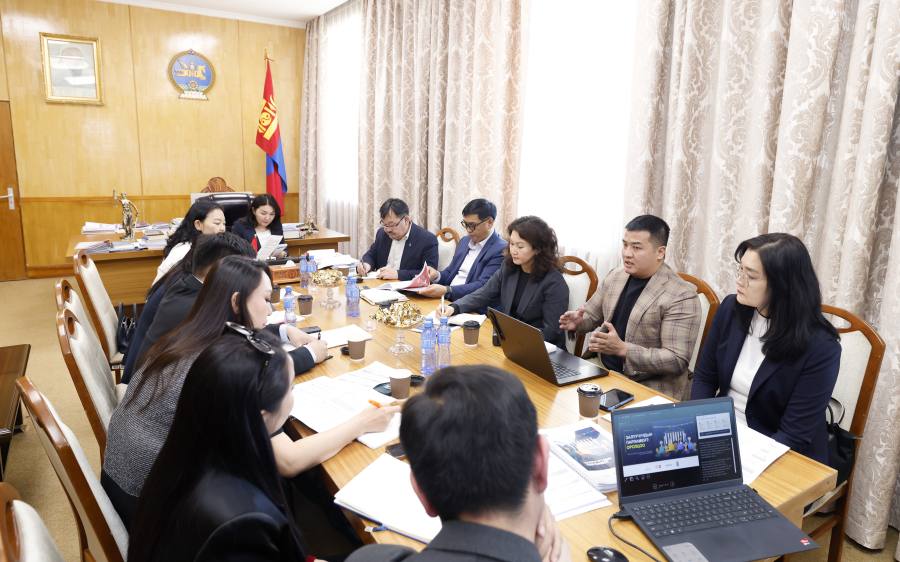
ULAANBAATAR, September 11, 2026 /MONTSAME/. The Bank of Mongolia held a public consultation on the draft “State Monetary Policy Guidelines for 2027” to gather public feedback.
Opening the consultation, Anar Enkhbold, First Deputy Governor of the Bank of Mongolia, outlined the content and significance of the policy document, saying, “The Bank of Mongolia has developed its medium-term strategic plan and set its vision of becoming an ‘independent, accountable and trusted central bank.’ It has also begun implementing, in stages, objectives to address a number of reform-oriented issues facing monetary policy and the financial sector. The monetary policy direction for 2027 is significant in that it contains the first major step toward putting these medium-term strategic objectives into practice.”
Under the monetary policy to be implemented next year, the Bank of Mongolia will implement macroprudential policy in coordination with monetary policy and adhere to the principles of stabilizing inflation at around 5 percent over the medium term, supporting sustainable economic growth, ensuring financial stability, and allowing the exchange rate of the tugrik to adjust flexibly in line with underlying macroeconomic conditions.
The Bank also aims to strengthen the resilience, supervision and accountability of the banking sector in line with international standards, enhance systems for combating money laundering, terrorist financing and proliferation financing, and improve the framework for managing risks associated with climate change.
In addition, measures will be taken to strengthen the independence, autonomy, transparency and accountability of the central bank; develop payment and financial market infrastructure; introduce new technologies; improve data and credit information systems; and develop financial instruments to enhance the effectiveness of monetary policy.
Holding a public consultation on the draft “State Monetary Policy Guidelines for 2027” before submitting it to the State Great Khural is important for incorporating diverse views, proposals, and initiatives into policymaking and enhancing the effectiveness of policy implementation.
More than 100 representatives of government and non-governmental organizations, international organizations, economists, researchers and the public participated in the consultation.