Loading…
Loading…

MONTSAME
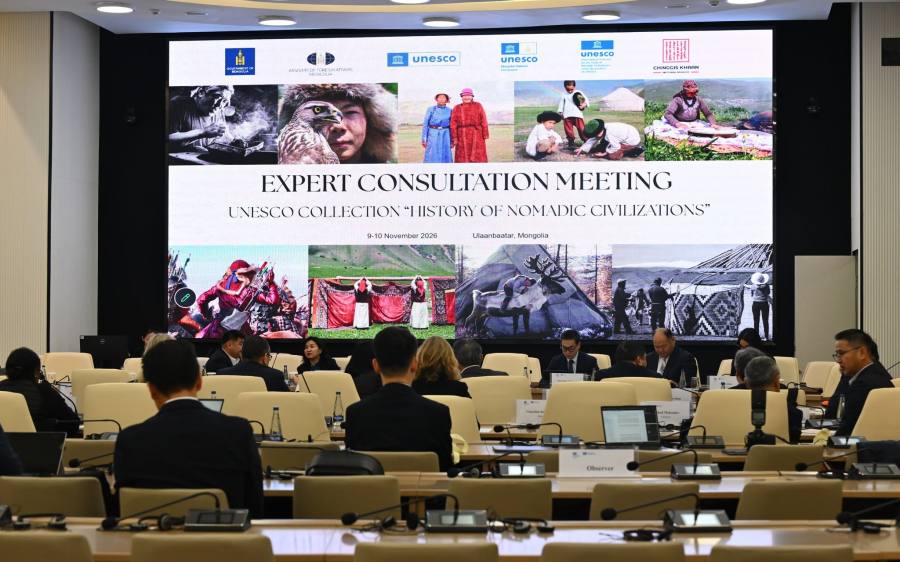
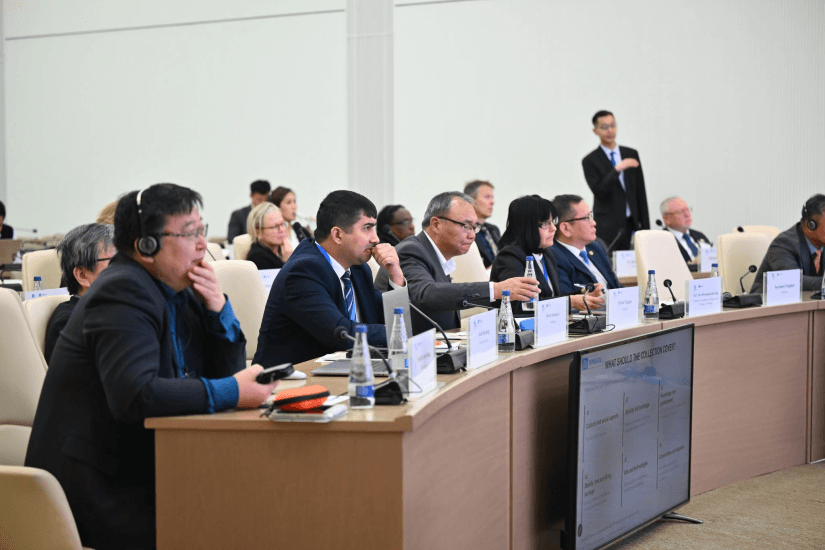
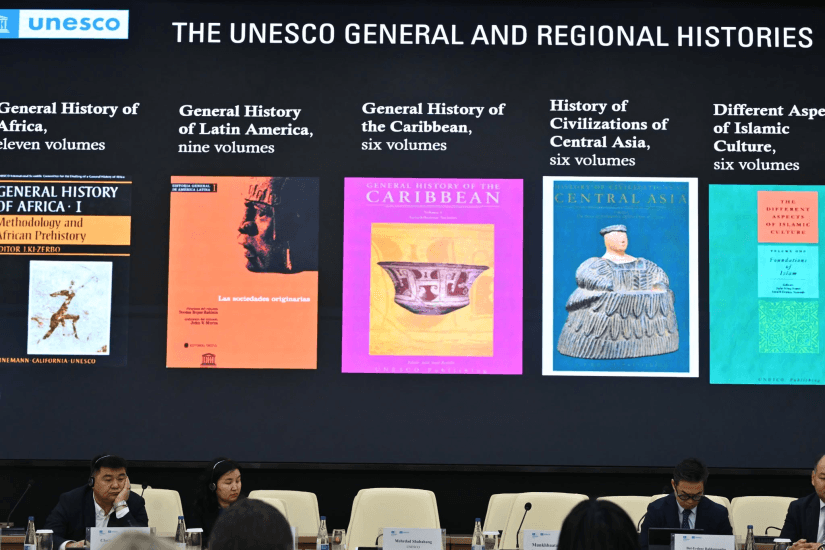
Ulaanbaatar, November 9 /MONTSAME/. An international expert consultation meeting on UNESCO’s forthcoming publication series, "History of Nomadic Civilizations", opened in Ulaanbaatar today, bringing together scholars and researchers from more than 20 countries.
The initiative was proposed by Mongolia and formally endorsed through a resolution adopted at the 42nd session of the UNESCO General Conference in 2023. A 2025 agreement between the Government of Mongolia and UNESCO subsequently established the legal and organizational framework for moving the project forward.
The two-day meeting, taking place on November 9-10, will focus on the collection’s overall vision, scope, structure, content and research methodology.
Opening the meeting, Battsetseg Batmunkh, Minister of Foreign Affairs and Chairperson of the Mongolian National Commission for UNESCO, emphasized the importance of recognizing nomadic civilizations as an integral part of world history and humanity’s shared heritage.

“Throughout history, nomadic peoples have connected vast territories and played a significant role in facilitating the exchange of knowledge, ideas, technologies and cultures across continents. The central aim of this publication series is to ensure that their historical contributions and influence are given the recognition they deserve in the study and documentation of world history,” she said.
She also noted the symbolic significance of holding the meeting in conjunction with the 864th anniversary of the birth of Chinggis Khaan and Mongolia’s National Pride Day.
“The initiative is closely aligned with the objectives of the policy on supporting Mongolian historical studies, introduced by presidential decree. The Government of Mongolia is committed to working closely with UNESCO and the international academic community to produce a publication of the highest scholarly standard, accessible to readers around the world and of lasting academic and cultural value,” Battsetseg said.
Chuluun Sampildondov, Director of the Chinggis Khaan National Museum, said one of the volumes would be dedicated to the history of Mongol civilization, which, he emphasized, encompasses a vast geographical and historical territory.
As head of the academic council responsible for the volume on Mongolian history, he said the team would draw on major research achievements made in Mongolia over the past three decades.
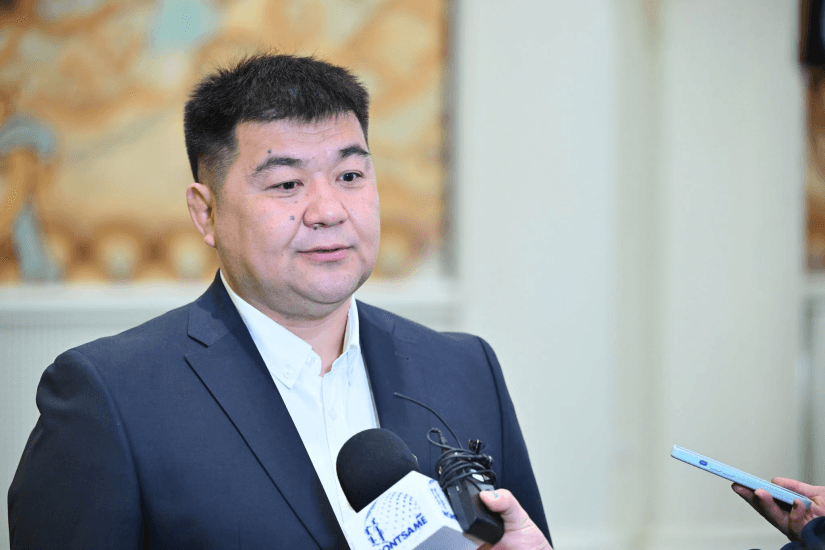
“Archaeological, historical and nomadic civilization studies in Mongolia have made remarkable progress over the past 30 years. In particular, Mongolian archaeology has established a leading position not only in the region but also internationally. Researchers involved in these studies will contribute their findings and expertise to the publication,” Chuluun said.
He added that the project would mark the first comprehensive account of Mongolian nomadic civilization to be published under UNESCO’s international framework, giving it particular academic significance and global recognition.
“What makes this project especially important is that it is being developed within UNESCO, one of the world's leading institutions for culture, education and science, with contributions from scholars across the region and beyond. It is also a joint undertaking involving Mongolia’s Ministry of Foreign Affairs, the Mongolian National Commission for UNESCO, the Ministry of Culture, Sports, Tourism and Youth, the Mongolian Academy of Sciences and universities,” he said.
According to Chuluun, approximately 70 percent of the scholars will be Mongolian researchers, while the remaining participants will include internationally recognized foreign scholars specializing in Mongolia.
Participants said the initiative would help integrate the history of nomadic civilizations into global history studies, raise international awareness of Mongolia’s history and cultural heritage, and contribute to preserving humanity’s shared heritage for future generations.