Loading…
Loading…

Unurzul Mishigdorj
unuruu1102@gmail.com
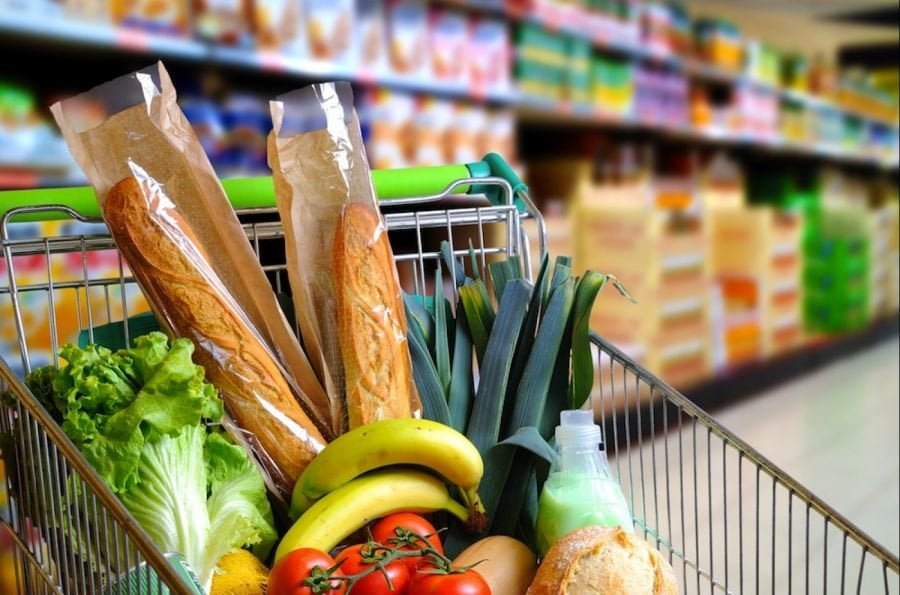
Ulaanbaatar, November 17, 2026 /MONTSAME/. Mongolia's annual inflation rate reached 13.4% nationwide, marking a year-on-year increase.
Presenting the country's key socioeconomic indicators for the first 10 months of 2026 today, Munkhbayar N., Director of the Internal Audit, Monitoring, Analysis, and Evaluation Department at the National Statistics Office (NSO), reported that inflation was primarily driven by a 19.8% surge in food and non-alcoholic beverage prices.
Year-on-year price increases were recorded across all major consumer groups, led by food and non-alcoholic beverages (19.8%), hotels, restaurants, and accommodation (19.8%), and transport (19.3%), followed by education (17.7%), insurance and financial services (17.1%), alcoholic beverages and tobacco (16.5%), clothing, textiles, and footwear (8.5%), recreation and culture (8.4%), household furnishings and equipment (7.7%), health and medical services (6.9%), housing, water, electricity, and fuels (5.9%), and communications and postal services (1.2%).
Overall, goods prices rose by 14.3%, while service prices increased by 11.1%.
Mongolia's total foreign trade turnover grew significantly in the first 10 months of 2026 compared to the same period last year, driven by a 45.3% surge in exports and a 16.3% rise in imports.
Exports: Reached USD 17.9 billion, up by USD 5.6 billion year-on-year. Growth was driven by key mineral commodities, with copper concentrate exports climbing 67% to USD 7.6 billion and coal export revenues rising 50% to USD 6.8 billion.
Imports: Totaled USD 11.0 billion, up by USD 1.5 billion year-on-year. Petroleum products led the growth, with diesel fuel imports jumping 74% and gasoline imports increasing 25%. Conversely, passenger car imports fell by 6% and truck imports declined by 10%.
Consequently, Mongolia recorded a foreign trade surplus of USD 6.9 billion, expanding 2.4-fold compared to the same period in 2025.