Loading…
Loading…

Unubold B
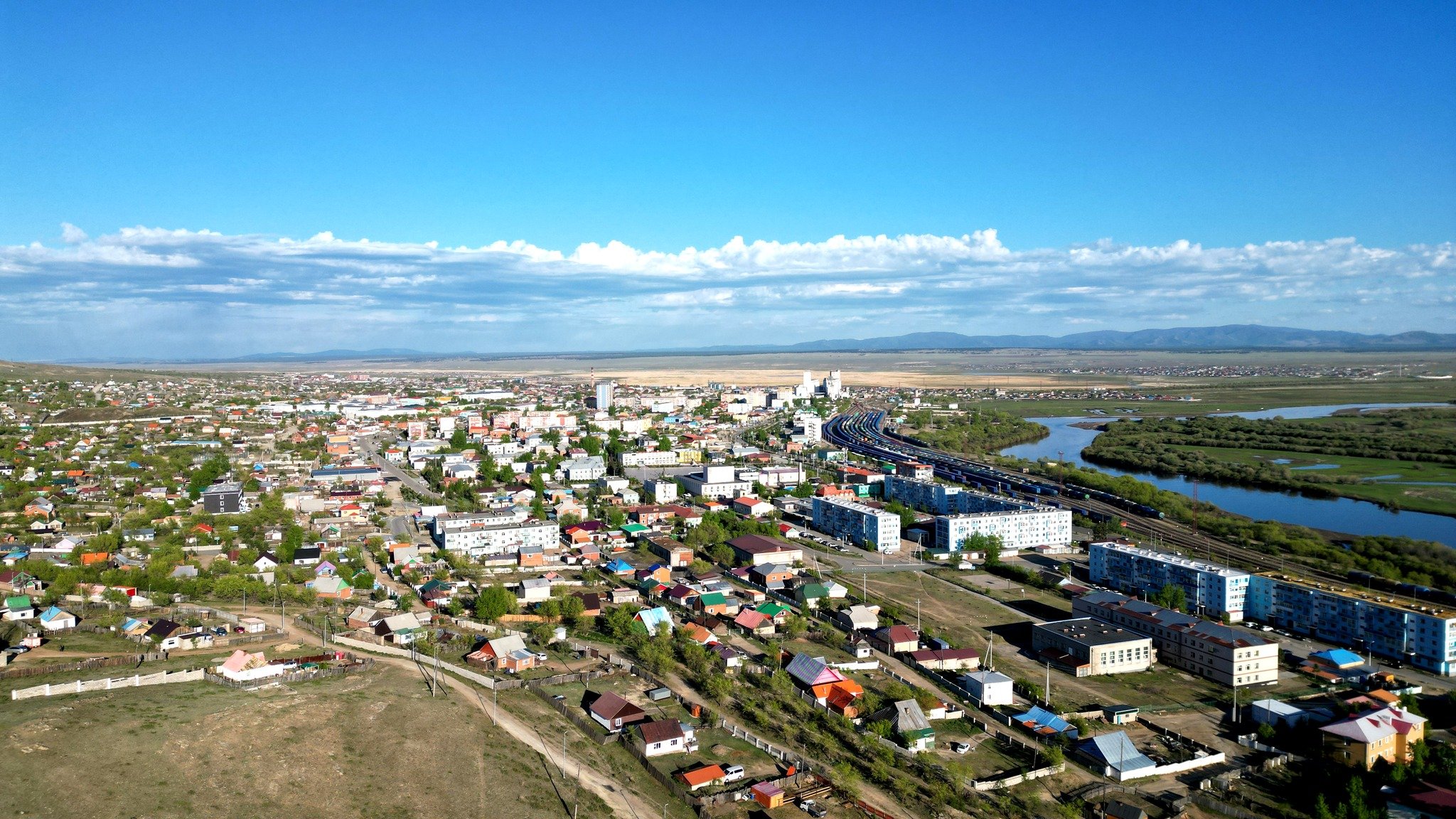
Sukhbaatar, November 23, 2026 /MONTSAME/. Of the 103,800 people living in Selenge aimag in 2025, 35,866 were children aged 17 or under, accounting for 34.5% of the population. Although the number of children fell by 6.1% over four years, children still make up a third of the aimag’s population, and their health, education, development and protection remain local policy priorities.
The number of children fell by 2,348 between 2021 and 2025, from about 38,200 in 2021. The change in the age profile of the population underscores the need to ensure that every child has access to education, healthcare and social protection services suited to their age and needs. Selenge aimag works to protect children’s rights, prevent harm and provide protection and rehabilitation services when needed.
In 2025, the aimag allocated MNT 56.5 million to its Child Development and Protection Programme. Actual expenditure totalled MNT 104 million. Under the programme, a temporary shelter in Sukhbaatar soum provided a combined 638 days of protection, development and rehabilitation services to seven adults and 30 children who had experienced violence.
A project to support early childhood development and identify developmental delays began in 2024 with support from Save the Children Japan. The project ran at Kindergarten No. 6 and the family health centre in Emnekh bagh in 2024–2025. In 2025–2026, it continued at Nomtkhan Family Health Centre and Kindergarten No. 3, where staff are introducing methods and tools to identify developmental delays early. More than 190 parents and caregivers attended an event organised under the project to encourage families to take a more active role in their children’s development.
In November 2026, the aimag organised comprehensive mobile health screenings under the Healthy Mongol National Movement to improve children’s access to healthcare and detect illness early. A team of 35 specialist doctors screened 500 children and began referring those who needed further care to higher-level hospitals for treatment and follow-up.
The aimag also works to prevent harm at home, at school and in the community. Training and advocacy activities focus on protecting children’s rights at home, in educational institutions and online, identifying risks early and helping organisations put their child protection policies into practice.