Loading…
Loading…

MONTSAME
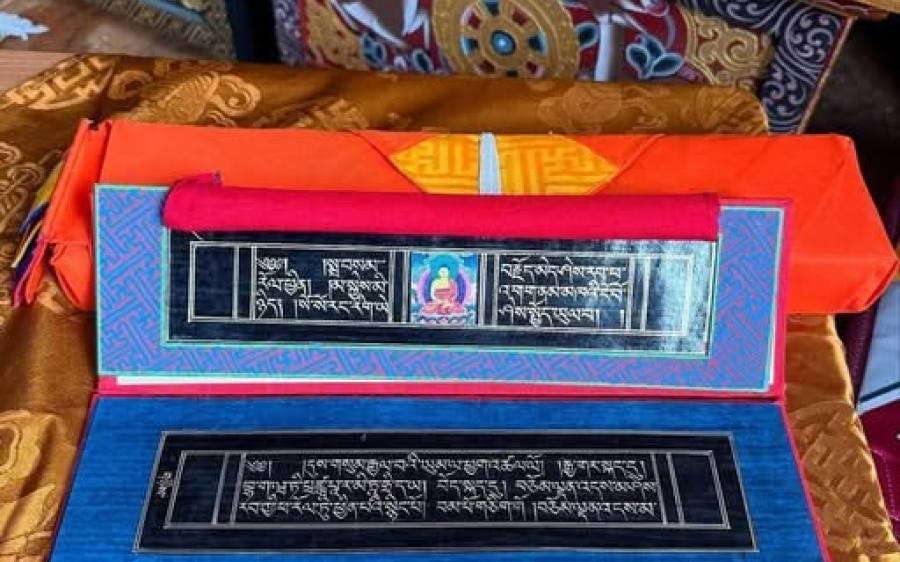
Sukhbaatar, November 6, 2026 /MONTSAME/. As part of the “Cultural Creative Month”, the Selenge Aimag Public Library is displaying ancient books and manuscripts to the public.
This year, the Altangerel Sutra (known in Sanskrit as the Suvarṇaprabhāsa Sūtra or the Sutra of Golden Light), printed in 1659, is preserved in the collection of the National Library of Mongolia.
According to academician Damdinsuren Tsend, the Altangerel Sutra is the oldest printed book held in the collection of the National Library of Mongolia. A text containing the teachings of Mahayana Buddhism, it was printed from woodblocks in 1659. The sutra is regarded as a rare and valuable cultural artefact that reflects Mongolia’s early book-printing traditions and the development of its written culture.
Mongols have traditionally regarded books and scriptures not merely as means of transmitting knowledge and information, but also as important tools for passing on spiritual education, moral values and practical wisdom. In ancient times, scriptures were reproduced using woodblock printing and preserved in monasteries, libraries and households, where they were read and studied. This practice formed an integral part of Mongolia’s written culture.
The significance of the Altangerel Sutra extends beyond its religious teachings and content. The work provides valuable insight into Mongolia’s 17th-century printing techniques, writing styles, the craftsmanship involved in producing religious texts, and the intellectual life of the period, giving it particular historical and cultural importance.
The development of printing in Mongolia, from 17th-century woodblock publications to modern printing houses and textbooks, demonstrates how the country's book-printing culture has evolved and flourished over the centuries.
The Spiritual Heritage and Traditional Knowledge of the “Altangerel” Sutra
Mongols have long revered the Altangerel Sutra, reading it, listening to its recitation, and keeping copies in their homes. Traditionally, they have believed that reading or listening to the sutra brings blessings and good fortune, protects against misfortune and danger, and symbolises peace and tranquillity for the country and its people.
-A symbol of blessings, good fortune and prosperity: References in the sutra to deities of wealth and the accumulation of merit and blessings have traditionally been associated with Mongolian rituals for invoking prosperity and beliefs in abundance. It is believed that reading the sutra and keeping it in one's home will bring greater blessings, good fortune, and prosperity.
-Protection against misfortune and danger: The sutra is believed to offer protection against lightning and thunder, fires and floods, illness, evil spirits, and untimely disasters. This belief reflects the traditional Mongol reverence for peace, safety, and well-being.
-A symbol of peace for the country and its people: According to traditional belief, in places where the Altangerel Sutra is revered and recited, protective deities and guardian spirits of the Buddhist teachings are present. They are believed to safeguard the people against foreign enemies and calamities, ensuring peace and tranquillity.
-Purification of the mind and the pursuit of goodness: Reading or listening to the sutra is believed to purify sins and wrongdoings from past lives, free individuals from an unfortunate rebirth, and help them attain a favourable rebirth and well-being. This belief is also associated with spiritual education that encourages people to act righteously and uphold morality, compassion, and kindness.
These traditional beliefs are closely intertwined with the religious practices of Mongolia, worldview, way of life, and customs, and have been passed down through generations.