Loading…
Loading…

MONTSAME
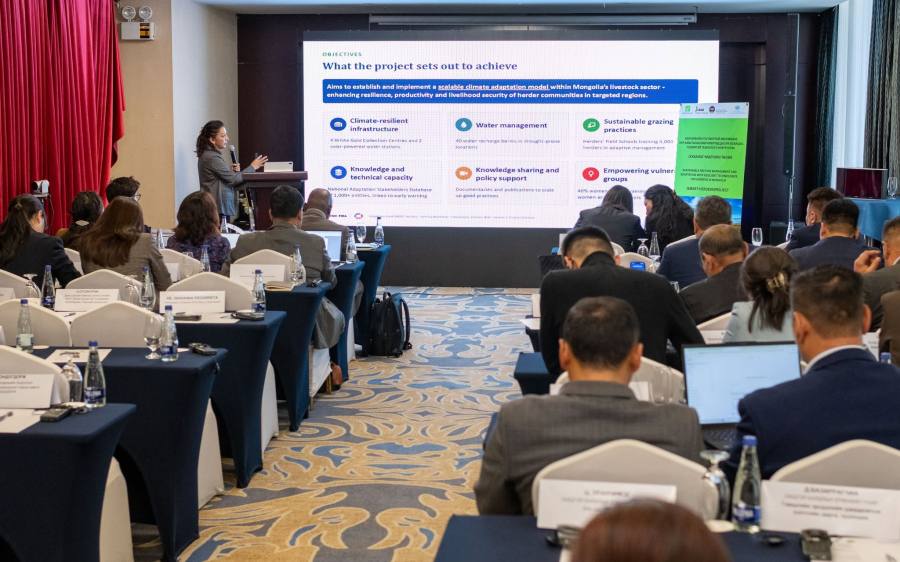
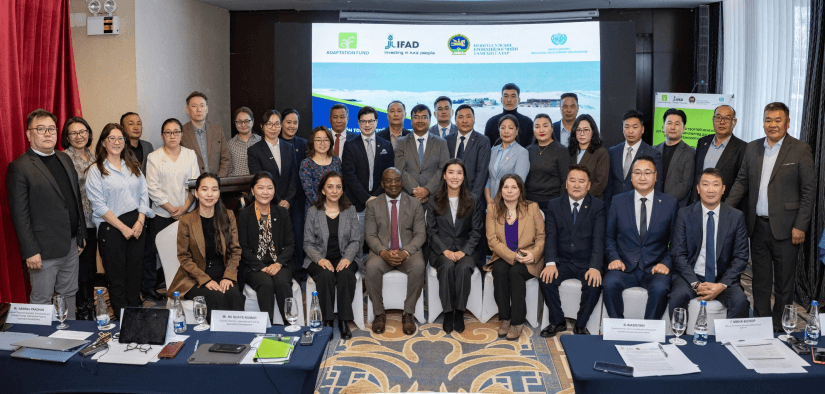
Ulaanbaatar, October 6, 2026 /MONTSAME/. A new “SMART-Herders” project, titled “Sustainable Pasture Management and Adaptation with Resilient Technologies for Herders in Mongolia,” has been launched under the “White Gold” National Movement initiated by the President of Mongolia and Resolution No. 63 of the State Great Khural on Certain Measures to Support the Processing Industry of Livestock-Origin Raw Materials.
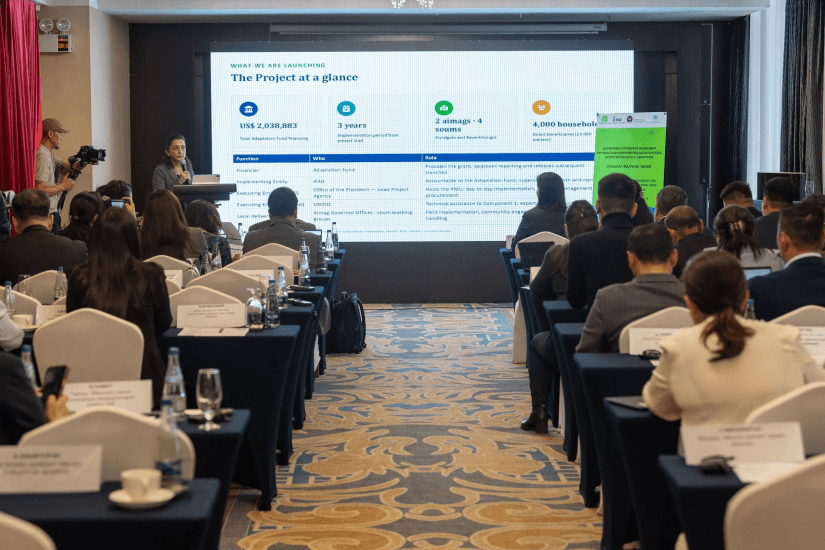
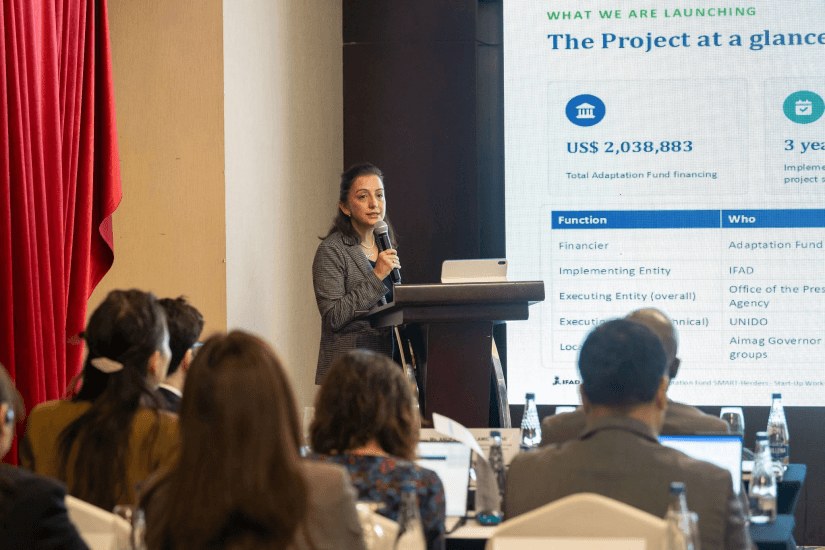
The project is being implemented by the Office of the President of Mongolia with a grant from the Adaptation Fund through the International Fund for Agricultural Development (IFAD) and with technical assistance from the United Nations Industrial Development Organization (UNIDO).
The SMART-Herders project will be implemented in Bayanlig and Buutsagaan soums of Bayankhongor aimag and Khuld and Erdenedalai soums of Dundgobi aimag. It is designed to directly reach and support around 4,000 herder households living in areas highly vulnerable to climate change. These communities are particularly exposed to climate-related impacts such as desertification, harsh winters, drought, and dust storms, while their livelihoods depend largely on livestock and pasture resources.
The project will target the most vulnerable and underserved groups in these areas, providing herders with the knowledge, skills, infrastructure and tools needed to adapt to the increasing frequency and intensity of climate-related impacts.
 Javkhlan
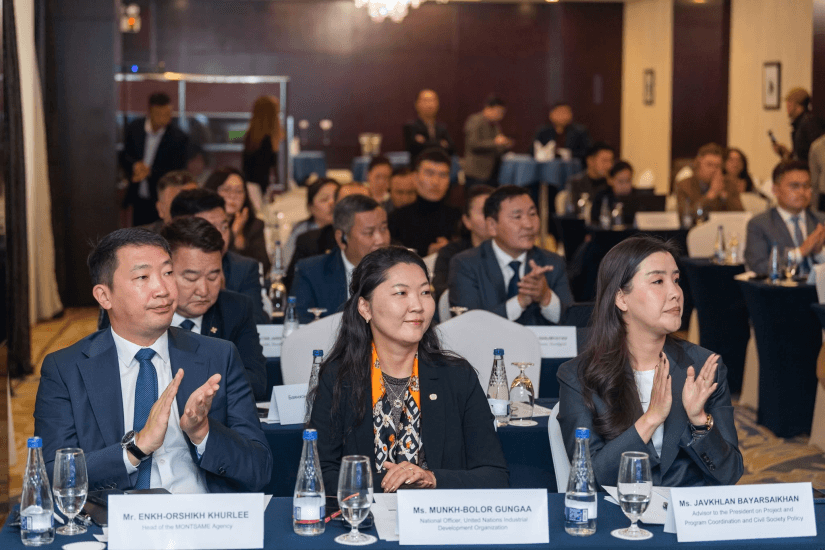
Bayarsaikhan, Adviser to the President on Project and Program Coordination and
Civil Society Policy, said that more than a year had passed since the President
launched the “White Gold” National Movement and that the SMART-Herders project
would be implemented over three years as part of the movement.
“Based on research by the Ministry of Environment and Climate Change, four soums were selected for the project. It has two main components. First, the project will introduce good practices to help herders overcome climate-related challenges such as dzud and drought with minimal livestock losses, so that these practices can serve as examples for other aimags. We will also establish collection points for wool, cashmere, hides and skins.
“Second, the project will provide herders with accurate information through social media and other media outlets and conduct training on adapting to climate change and improving livelihoods,” she said.
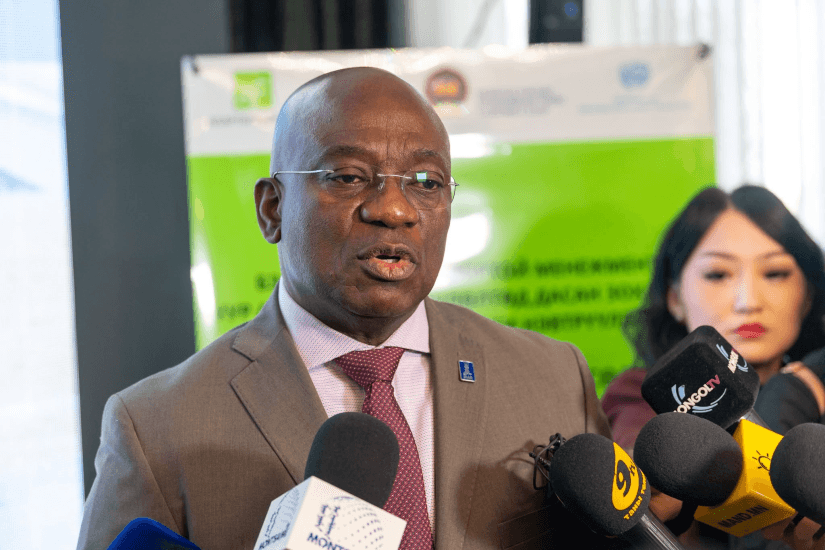
Nii Quaye-Kumah, IFAD Country Director for Mongolia, said IFAD is the only international organization dedicated specifically to improving and supporting the livelihoods of people living in rural and remote areas.
“In this regard, we believe it is important to focus on rural Mongolia, particularly people living in areas most affected by climate change. The global average climate vulnerability score is 1.7, while the areas covering the four selected soums in the two aimags scored 2.2. This means their vulnerability is significantly higher than the global average.
“Studies have shown that herder households and communities in these areas, as well as livestock production, are being affected to a certain extent. Therefore, the project is being implemented with a grant from the Adaptation Fund. Its main objective is to support the livelihoods of herder households in the four selected soums, strengthen their capacity to adapt to climate change, and enable them to bring livestock products to market and sustain their livelihoods,” he said.
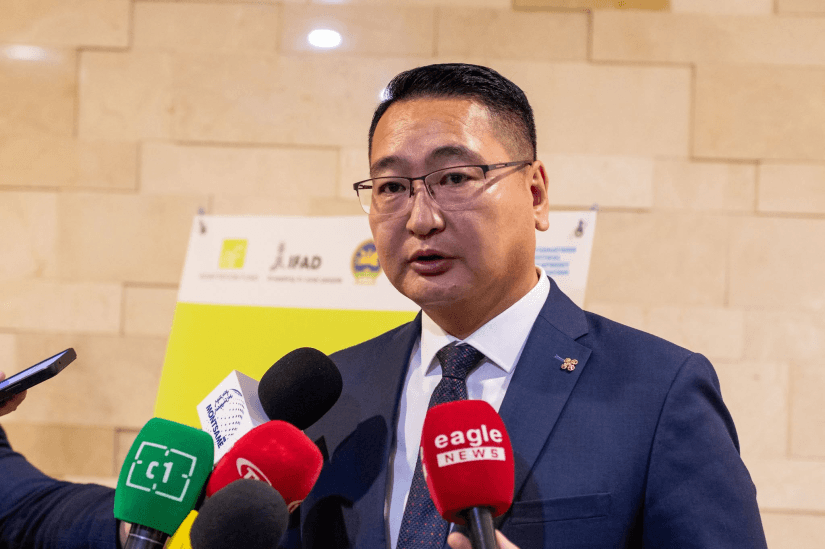
Munkhchuluun Samdannyam, Governor of Dundgobi aimag, said that 60 percent of the aimag’s economy is based on livestock husbandry and that it ranks among the aimags with the largest livestock populations. However, he noted that livestock-based processing remains underdeveloped, with only one meat processing and preparation point operating across the aimag.
“The SMART-Herders project will be implemented in Khuld and Erdenedalai soums of our aimag. Under the project, ‘White Gold’ movement points will be established in the two selected aimags. Our herders will also receive training in processing milk and dairy products through small-scale processing facilities. A total investment of USD 1 million will be made in the two selected soums of our aimag, and around 2,000 herder households are expected to benefit. If the project is successful, we plan to apply the same model in other soums as well,” he said.
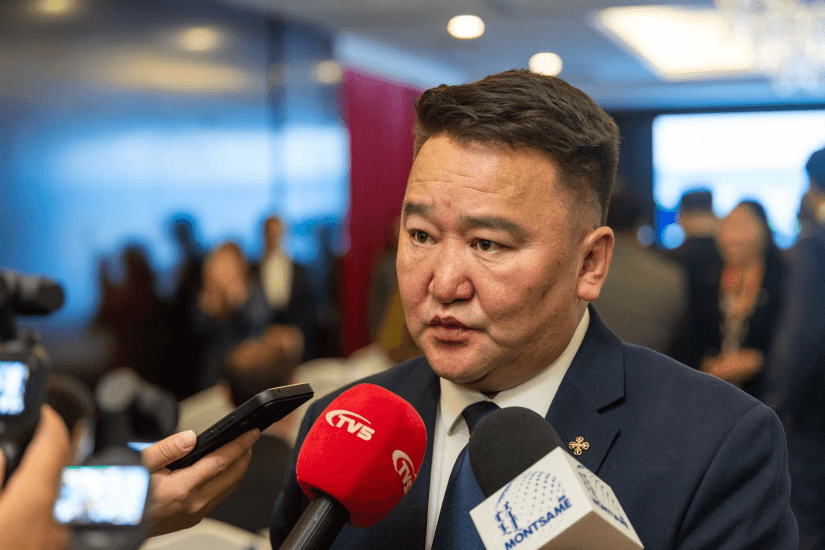
Enkhbat Erdenee, Governor of Bayankhongor aimag, said the SMART-Herders project would be implemented in Bayanlig and Buutsagaan soums.
“This is a comprehensive pilot project aimed at exploring how herders can live smarter and address their challenges in today’s conditions. If successfully implemented over three years, the project is expected to be expanded beyond Bayankhongor and Dundgobi to other aimags.
The implementing partners selected the two soums based on factors including weather and climate conditions. Bayanlig is located in the Gobi region, while Buutsagaan is in the Khangai region. In Bayanlig, the project will focus on how to process and bring camel products to market more efficiently, while in Buutsagaan it will focus on products derived from goats. The number of herders in rural areas is declining significantly. Therefore, our main objective is to enable herders to improve their livelihoods while continuing to raise livestock, adopt smarter consumption practices, and keep pace with modern life,” he said.
Over the three-year implementation period, a total of USD 2 million will be invested in the four selected soums in the two aimags. The project aims to support herder households in the target areas in adapting to challenges caused by climate change, develop and implement a climate adaptation model for Mongolia’s livestock sector, and strengthen the climate resilience, production efficiency, and livelihood security of herders in the target areas.
Within this framework, the project will implement strategically important activities aimed at developing sustainable water resource management, climate-resilient infrastructure, and participatory knowledge- and experience-sharing mechanisms. The project implementers also noted that the project will focus on developing climate-resilient pasture management and feed production methods and technologies, disseminating best practices, and strengthening knowledge-based management systems to support relevant policy and planning.
Mongolian Film 'The Far Gobi' Participates in Eurasian Diamond Butterfly Film Awards
Politics EN
Prime Minister Uchral: Mother Tongue Is the Spiritual Foundation and a Safeguard of National Independence
Natsagdorj
Today Marks The 120th Anniversary of The Birth of Natsagdorj, The Father of Modern Mongol Literature

