Loading…
Loading…

MONTSAME
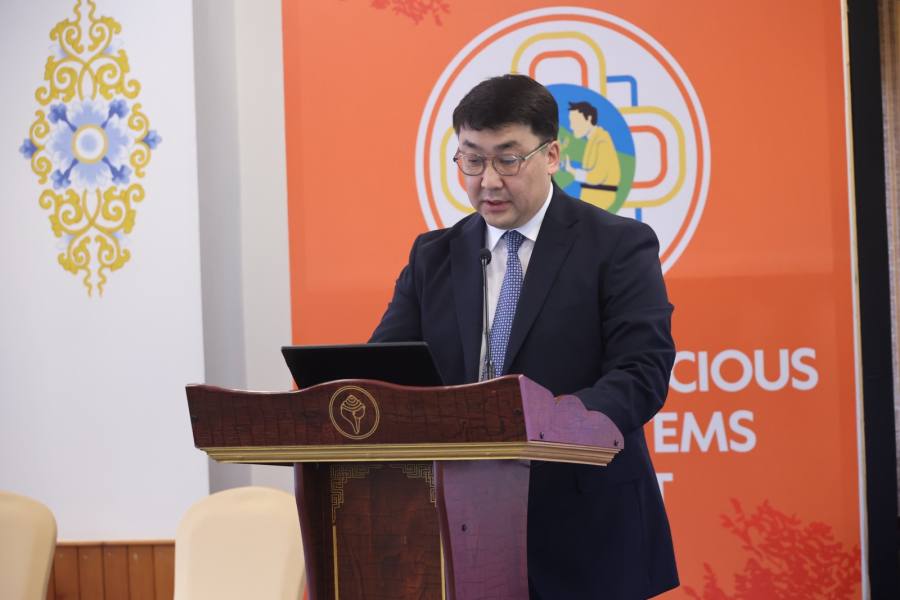
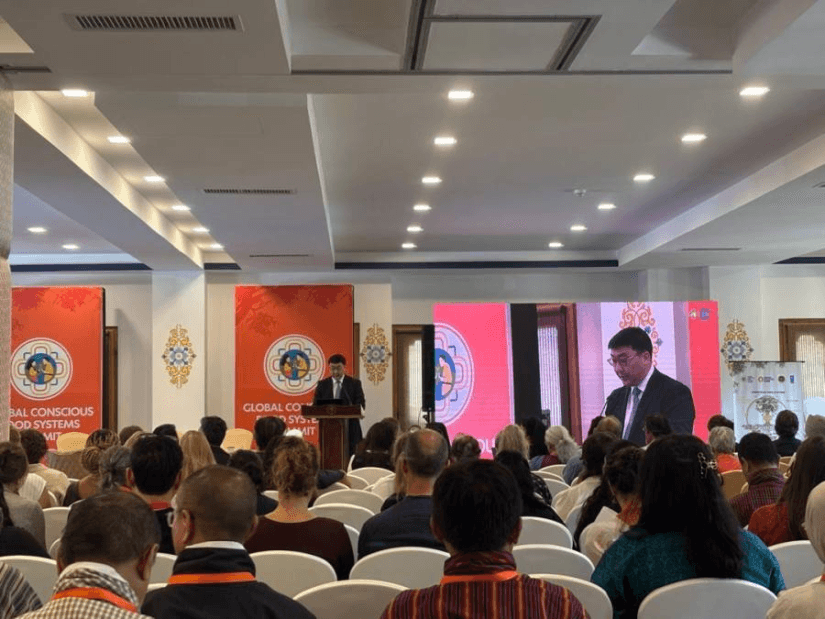
ULAANBAATAR, September 5, 2026 /MONTSAME/. Jambaltseren Tumur-Uya, State Secretary of the Ministry of Food, Agriculture and Light Industry and National Food Systems Convenor of Mongolia, participated in the first Global Conscious Food Systems Summit, held in Paro, Bhutan, from August 31 to September 4, 2026.
The Summit was hosted by the Royal Government of Bhutan, the Conscious Food Systems Alliance and the United Nations Development Programme (UNDP). It brought together representatives from governments, international organizations, investment institutions and food system innovation sectors.
The Summit focused on food systems transformation, with particular attention to culture, values, systems thinking and nature-based solutions.
In his statement, State Secretary Jambaltseren said that the Summit’s focus on inner transformation, systemic values and nature-based solutions closely relates to Mongolia’s traditional pastoral heritage.
He noted that Mongolia is working to connect its traditional values of nomadic pastoralism with modern and climate-resilient food governance.
He stated that Mongolia’s traditional nomadic livestock husbandry remains an important part of the country’s society, economy and rural livelihoods. More than 180,000 herder households depend on pastoral livestock production, supporting the livelihoods of more than one million people.
He emphasized that protecting the relationship between people, livestock and grasslands is important for Mongolia’s food security, cultural heritage and environmental sustainability.
The State Secretary also noted that Mongolia’s food systems are facing increasing pressures from climate change, including dzud, drought and seasonal dust storms. These conditions affect pastures, rural livelihoods and food security.
He highlighted government measures being implemented under Vision 2050, including the Food Revolution and White Revolution initiatives, strengthening herder cooperatives, improving market systems, developing digital traceability for livestock products, expanding livestock insurance and promoting climate-smart and regenerative pasture management.
He further emphasized the importance of combining modern international standards and innovations with the traditional knowledge and values of Mongolia’s pastoral communities.
In his statement, State Secretary Jambaltseren also presented Mongolia’s perspective on the relationship between rangelands, pastoralism and food systems transformation in connection with Mongolia’s international initiatives in 2026.
He referred to the International Year of Rangelands and Pastoralists 2026, initiated by Mongolia, as an important international platform for raising awareness of the contribution of rangelands and pastoralists to food security, biodiversity, climate resilience, sustainable livelihoods and healthy ecosystems.
He also highlighted the Global Pastoralist Gathering and Conference, which brought together pastoralists, policymakers, researchers, development partners and other stakeholders to exchange experiences and strengthen international cooperation.
The State Secretary noted that these issues were also reflected in the discussions and outcomes of the 17th Session of the Conference of the Parties to the United Nations Convention to Combat Desertification (UNCCD COP17), hosted by Mongolia in Ulaanbaatar from August 17 to 28, 2026.
He stated that the International Year of Rangelands and Pastoralists, the Global Pastoralist Gathering and Conference, and UNCCD COP17 represent a continued policy process to strengthen recognition of rangelands and pastoralists and to advance their contribution to international policy and action.