Loading…
Loading…

MONTSAME
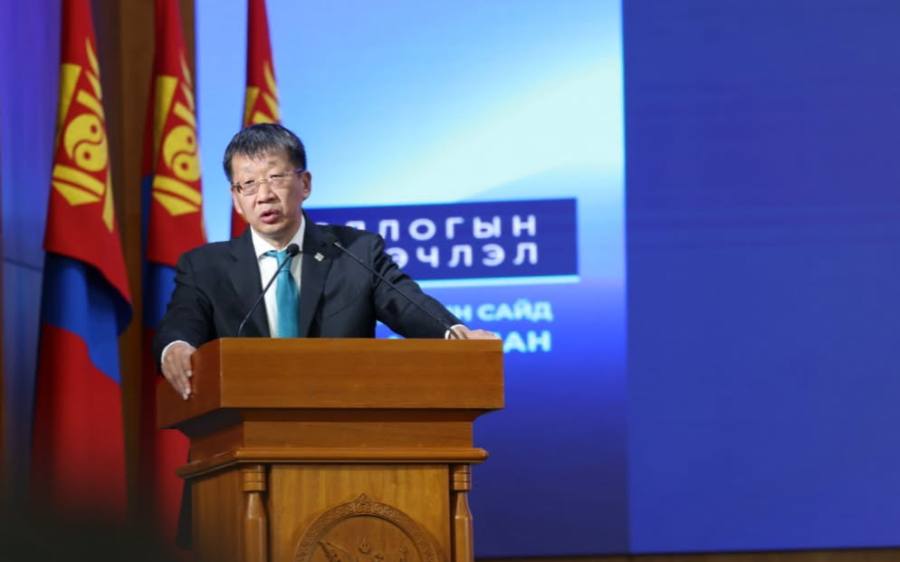
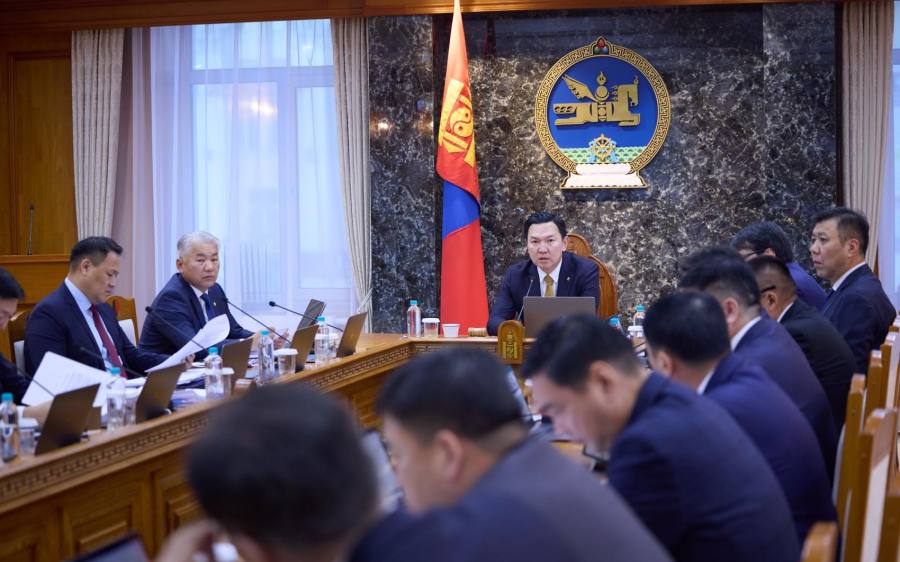
Ulaanbaatar, October 8, 2026 /MONTSAME/. The “Together for Teachers” consultative meeting discussed ongoing reforms in the education sector, teacher development, and policies and measures aimed at strengthening the value placed on teachers’ work and their social security.
Senior teachers attended the meeting, where the results of policies being implemented to support teachers’ professional development, improve the quality of education and enhance access to education, as well as future objectives, were presented.
As part of recent reforms in the education sector, the Law on Supporting Teacher Development has been adopted, creating a legal framework for regulating teachers’ rights and professional development under a dedicated law. The law provides for the gradual introduction of measures to create conditions for teachers to work with assistant teachers and establish a system for realistically assessing and accounting for additional workloads. Mongolia has also participated in the PISA international assessment for the first time, creating new opportunities to assess students’ knowledge and skills against international standards and improve education policies based on data.
Under the Government’s development policies, education has been identified as one of the priority sectors, and the “Three-Pillar Policy for Teachers” is being implemented to enhance the value of teachers’ work, support their professional development and strengthen their social security.
In this regard, the draft 2027 state budget submitted to Parliament includes a MNT 500 billion increase in wage funding under the education sector’s variable costs, while total education sector spending has been planned at MNT 7.4 trillion. Efforts are also underway to take the teacher training system to a new level, implement teacher development policies based on international best practices, increase the autonomy of school management, and expand support for teachers’ professional growth and development.
In addition, policies are being implemented to develop an inter-soum high school system and gradually establish secondary schools offering international curricula in rural areas, with the aim of ensuring that every child has access to quality education regardless of where they live or their family’s socioeconomic circumstances.
The consultative meeting participants emphasized that teachers are the key driving force behind education sector reform. Policies to enhance the value placed on teachers’ work, support their professional development and strengthen their social security represent a long-term investment in every child’s development and in enhancing the country’s competitiveness, the Ministry of Education reported.