Loading…
Loading…

MONTSAME
Ulaanbaatar, September 29, 2026 /MONTSAME/. The Tost, Toson Bumba Mountain Nature Reserve has officially received its UNESCO Biosphere Reserve certificate, formalizing its inclusion in the World Network of Biosphere Reserves.
The reserve was designated during the 38th session of the International Co-ordinating Council of UNESCO’s Man and the Biosphere (MAB) Programme, held in Paraguay in June.
To mark the inclusion of Mongolia's 13th site in the global network, a workshop titled "UNESCO Biosphere Reserves and Sustainable Tourism" was hosted at the reserve. Munkhbat Ts., senior specialist at the Ministry of Environment and Climate Change's Special Protected Area Policy Department, presented on protected area legislation, policy execution, and strategic targets.
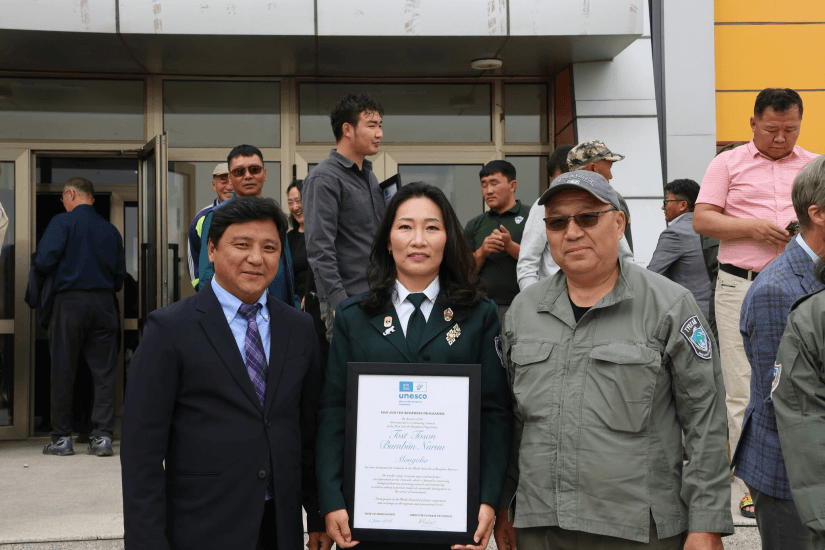
The meeting brought together park administrators, experts, civil servants, residents, and community cooperatives representing both established and candidate biosphere sites across Mongolia. Participating reserves included Bogd Khan Mountain, Uvs Lake Basin, Khustai NP, Dornod Mongol Steppe, Toson Khulstai NR, Lake Khuvsgul, Khar Us Lake, Ikh Bogd NP, Khukh Serkh Mountain Range, Otgontenger Mountain, Tengis-Shishged NP, Noyon Mountain, and Gobi Gurvansaikhan NP.
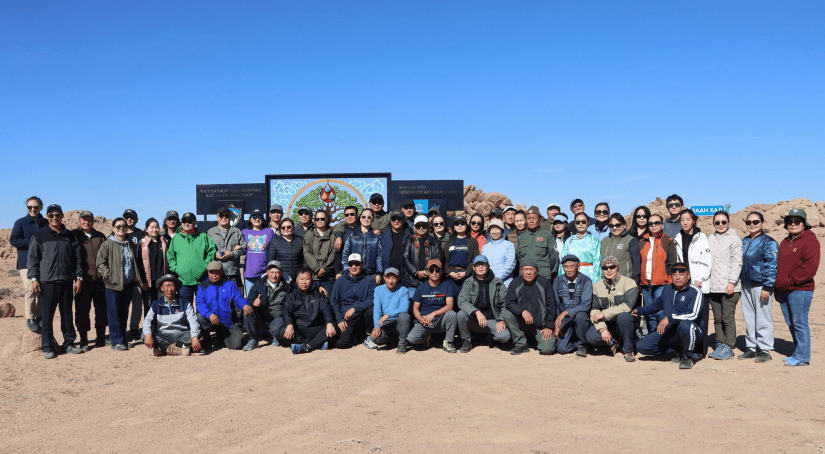
Delegates discussed Indonesia’s biosphere reserve operational practices, China’s tourism waste management planning, sustainable tourism development, and youth involvement. Attendees also conducted field inspections across the Tost, Toson Bumba territories, exchanging operational data, achievements, and management challenges.
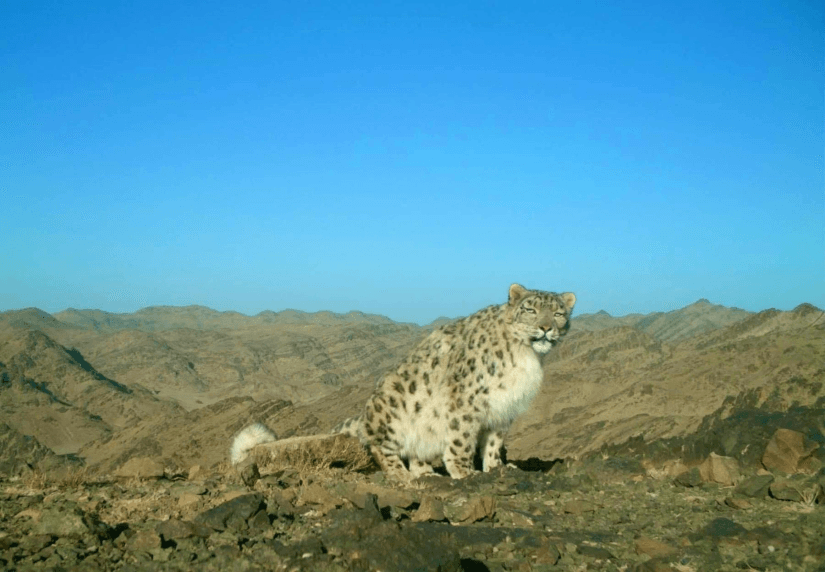
UNESCO granted the designation based on the reserve's high biodiversity, critical habitats for rare wildlife, and vital function as an ecological corridor. Tost, Toson Bumba harbors a core population of snow leopards, plays an essential role in the Gobi ecosystem, and showcases effective community-based conservation models.
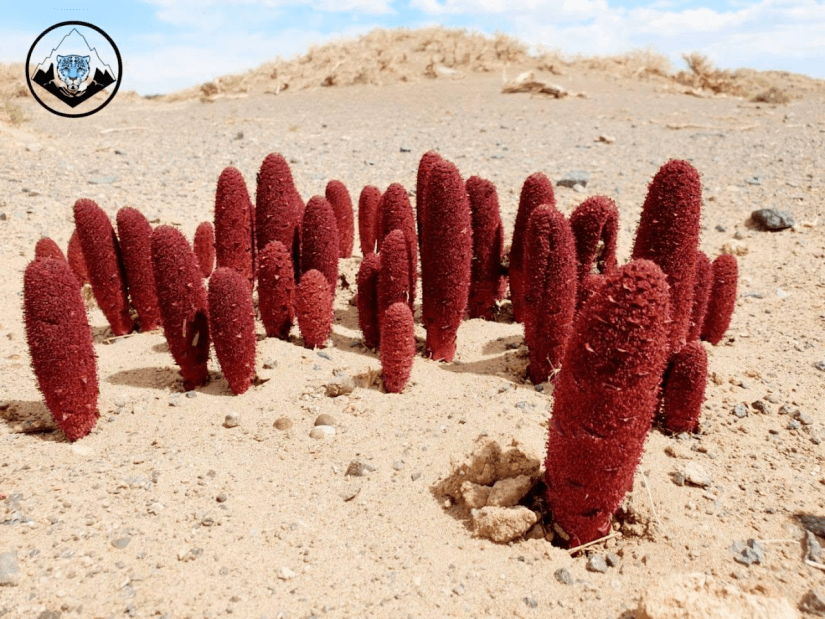
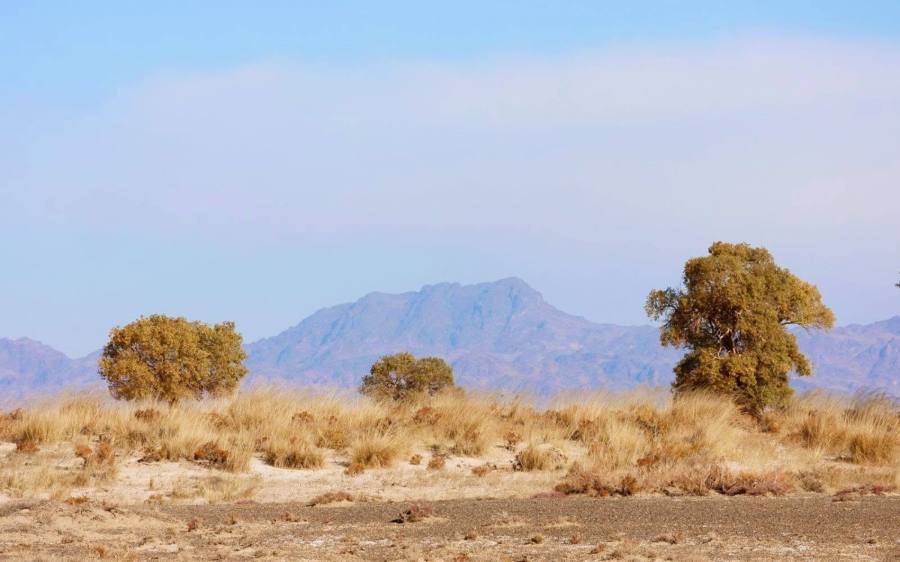
Beyond snow leopards, the area provides habitat for argali sheep, ibex, goitered gazelles, and lynx, while offering critical range for critically endangered species such as khavtgai (wild Bactrian camel) and Mazaalai bear (Gobi bear). Bordered by Gobi Gurvansaikhan National Park to the north and the Great Gobi Strictly Protected Area to the west, the landscape combines rocky mountains, dry washes, natural springs, and desert oases. Its flora, including saxaul groves, tamarisk, and rare medicinal plants, is crucial to preserving Gobi biodiversity.
The UNESCO designation integrates the site into an international network, boosting global recognition, scientific research, ecological monitoring, and sustainable regional development.