Loading…
Loading…

Ooluun Batbayar
Ulaanbaatar, November 28, 2026 /MONTSAME/. Ulaanbaatar and Bishkek, the capital of Kyrgyzstan, are working to strengthen their sister-city relationship, expand bilateral cooperation and identify new areas for future collaboration.
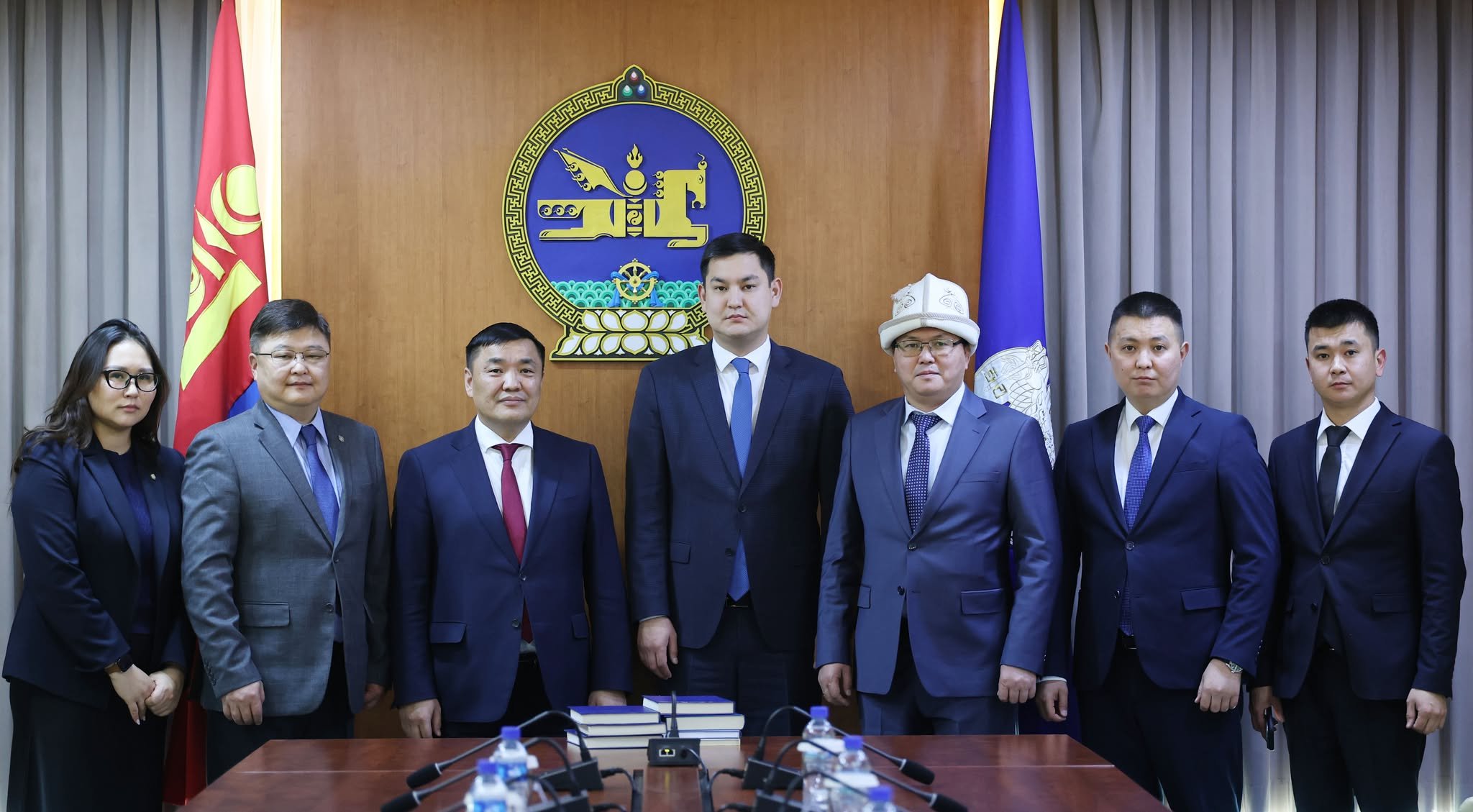
The discussions took place during a meeting between Munkhbat Baljinnyam, First Deputy Governor of Ulaanbaatar in charge of economic development and infrastructure, and a delegation led by Muratbek Atay, Deputy Mayor of Bishkek.
During the meeting, Munkhbat highlighted the urban development challenges facing Ulaanbaatar, noting that the city, originally planned for a population of 300,000, now has four times that number of residents. He said rapid population growth has placed significant pressure on urban infrastructure, contributing to challenges such as the expansion of ger districts, air pollution and traffic congestion. Ulaanbaatar is implementing various projects and programmes to address these issues, including policies aimed at redeveloping ger districts and expanding housing provision.
Munkhbat proposed that the two capitals exchange expertise and cooperate in areas including air pollution reduction, traffic management, public transportation, urban planning, culture, education and tourism. He emphasized that the partnership should go beyond symbolic ties and deliver tangible benefits to residents of both cities. He also proposed regular information-sharing and closer cooperation between relevant municipal departments and specialists.
For his part, Bishkek Deputy Mayor Muratbek praised Ulaanbaatar's road and infrastructure development projects, the renewal of its public bus fleet and the introduction of new approaches to urban administration.
He said Bishkek also implements major projects to improve roads, engineering networks, public spaces and green areas, while developing its public transportation system. Muratbek further noted that Bishkek had commissioned a modern eco-friendly facility that processes municipal solid waste and generates electricity, described as the first of its kind in Central Asia.
However, he acknowledged that air pollution remains one of the city's major challenges.Given the similarities in the urban development issues facing the two capitals, Muratbek expressed his readiness to share experience and successful solutions across a wide range of sectors.
Approximately 1.8 million of Mongolia's 3.8 million people live in Ulaanbaatar, while around 1.3 million of Kyrgyzstan's 7.5 million residents live in Bishkek.