Loading…
Loading…

Unubold B
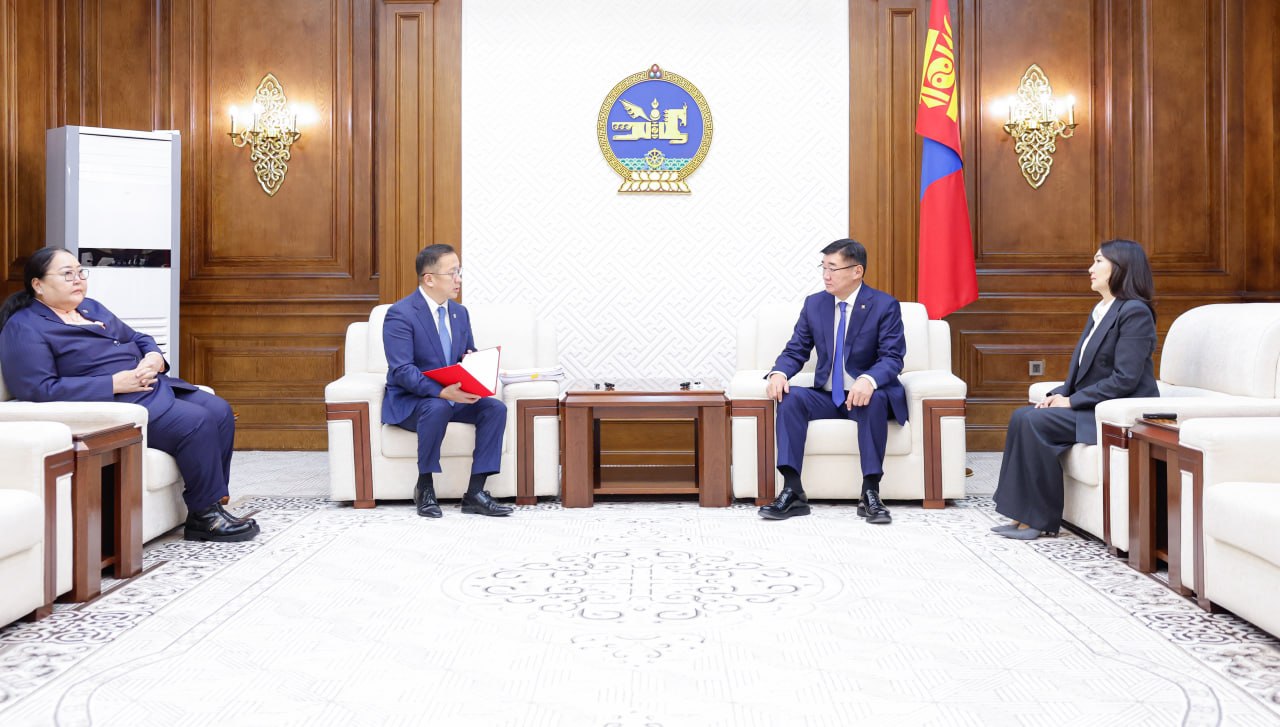
Ulaanbaatar, November 27, 2026 /MONTSAME/. Members of Parliament B. Bat-Erdene, P. Batchimeg and S. Lundeg submitted a bill to revise the Law on Special Protected Areas to the Speaker of Parliament, Byambatsogt Sandag, on November 27.
Bat-Erdene B., one of the bill’s sponsors, said studies showed that many settlements had formed within protected areas and that the issue needed to be addressed. He said the bill also needed to align with the newly adopted Law on Climate Change. With air temperatures in Mongolia projected to rise by up to 6.6°C as a result of climate change, he stressed the need for the law to recognise the public’s role in protecting the environment.
Parliament adopted the law in 1994 and has amended it 17 times. Bat-Erdene B. said the sponsors had incorporated findings from relevant studies and assessments, demands and recommendations from citizens, and proposals from members of the Government.
The bill would incorporate the Law on Buffer Zones of Special Protected Areas. The sponsors drew on past achievements and shortcomings, international trends, and sustainable development principles. They also sought to align the bill with Mongolia’s long-term development policy and uphold citizens’ constitutional right to live in a healthy and safe environment and to be protected from pollution and ecological imbalance.
The bill sets out rules for the national network of protected areas, their internal zones and the activities permitted in each. It also covers the rights of residents, land use, tourism, and the budgeting and financing of protected areas.
Under the bill, herder households living in protected areas could obtain permits to use land in designated zones for winter and spring camps. They could also use natural resources and non-timber forest products for household purposes, cut hay and collect wood for domestic use. Permit holders could transfer their land-use permit to one family member and put up gers, houses, livestock pens, storehouses and sheds on the land. They could also use nearby pastures under agreements that take account of grazing capacity.
Depending on the protected area’s classification and the rules governing its internal and buffer zones, residents could collect firewood and timber to repair livestock pens in designated areas. They could also use non-timber forest products, common plants, water, mineral springs and minerals for household purposes, subject to legal requirements and assessed resource limits.
The bill specifies the purposes, conditions and duration of land use, the size of the areas that may be used, and the obligations of land users. It also identifies prohibited activities and sets out provisions for vacating land and issuing permits in line with each area’s conservation objectives and protection rules.
The sponsors said the bill would support tourism in protected areas while setting specific legal requirements for operators. It would provide for sustainable tourism based on ecological carrying capacity, research and management plans, according to Parliament’s Open Parliament Office.