Loading…
Loading…

MONTSAME
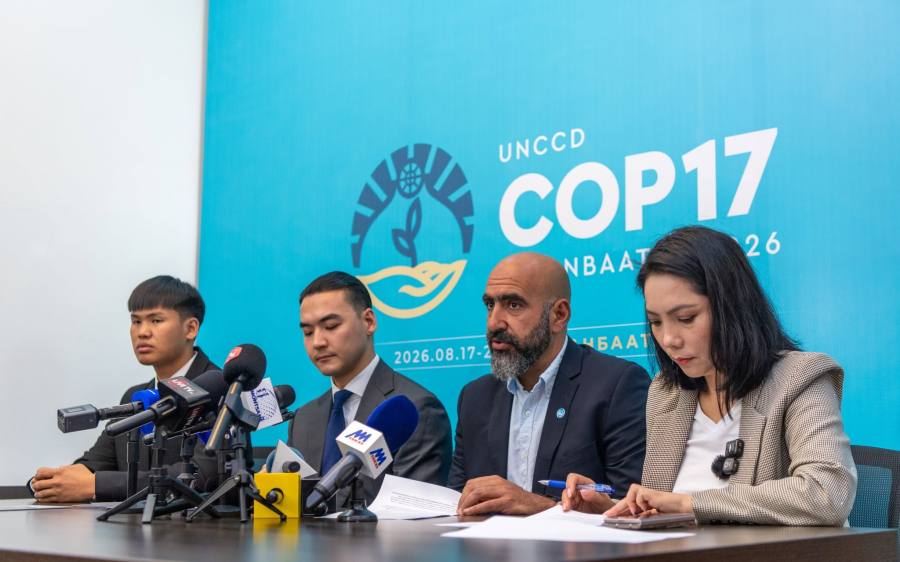
Ulaanbaatar, August 8, 2026 /MONTSAME/. The Silk Road Caravan crossed into Mongolia, kicking off an international initiative to highlight the importance of rangeland ecosystems and nomadic herders' livelihoods.
The caravan arrived after traveling 6,000 kilometers ahead of the 17th Conference of the Parties (COP17) to the United Nations Convention to Combat Desertification (UNCCD), which will take place in Ulaanbaatar. Over seven days, participants will travel through Dundgobi, Uvurkhangai, Arkhangai, Bulgan, and Tuv aimags — traversing Gobi desert, mountain, and steppe landscapes — to meet nomadic herding households, researchers, local authorities, and herder cooperatives, while visiting land restoration projects. The itinerary covers sites including Khustai National Park, the UNESCO World Heritage-listed Orkhon Valley Cultural Landscape, and Ugii Lake, a Ramsar-listed site. Participants will also learn how Mongolia's pastoral communities cope with land degradation and drought while engaging in activities organized under the framework of the "International Year of Rangelands and Pastoralists."
Throughout the journey, the caravan brought together pastoralists, researchers, policymakers, youth, and local residents to share experiences and practical solutions aimed at restoring rangelands and enhancing resilience to drought. Initiated by the UNCCD as part of the UN declaring 2026 as the "International Year of Rangelands and Pastoralists," the Silk Road Caravan revives the spirit of cooperation of the ancient Silk Road connecting Asia and Europe. Having set off from Türkiye last May, the journey traversed Russia, Uzbekistan, Kazakhstan, Kyrgyzstan, and China, exploring best practices in land restoration and engaging with local communities along the way.
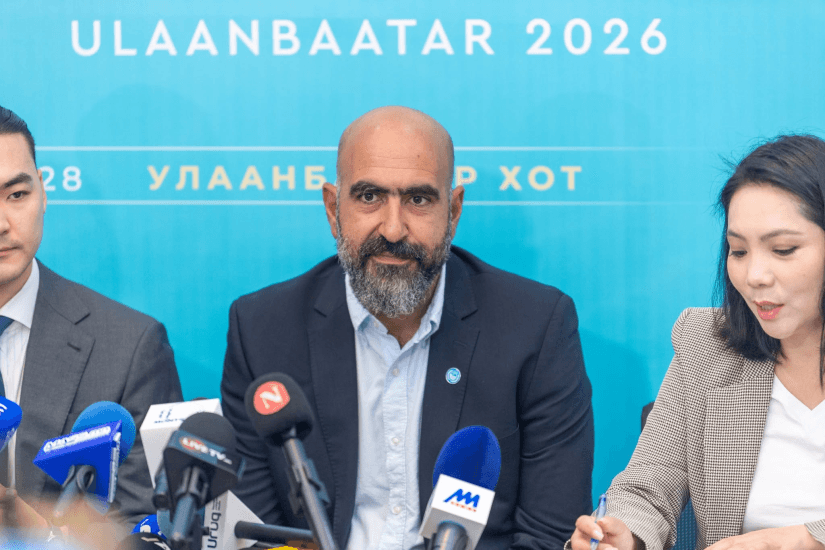
Yazan Neme, representative of the UNCCD Secretariat, emphasized: "Throughout the Silk Road Caravan journey, we saw how countries and local communities protect and restore rangelands that are inextricably linked to their unique culture, economy, and way of life. At every stop, one simple truth was reaffirmed: people are at the heart of land restoration. Looking at these practices, there is no single model for restoration. As we gather for COP17, our duty is to scale up these local experiences into real global action, strengthen international cooperation, and invest in the people who have protected these lands for generations."
Thousands of years ago, the Mongol steppes served as a conduit for people, goods, and ideas across Eurasia, with the Orkhon Valley standing as the political and cultural center of successive nomadic empires. The pastoral livestock culture passed down through generations continues to define Mongolia's identity today. Covering 70 percent of Mongolia's territory, rangelands form the foundation of livestock husbandry, support the livelihoods of one-third of the population, and constitute one of the world's largest remaining pastoral ecosystems. However, rangeland degradation and drought frequency are increasing, with the average annual number of dust and sandstorm days tripling since the 1960s. For instance, in 2023–2024, summer drought followed by winter dzud resulted in the loss of over 7 million livestock, illustrating the extreme vulnerability of herders to severe climate events.
COP17 presents an opportunity to direct global attention to rangelands, land degradation, and climate change. Dr. Yasmine Fouad highlighted that the knowledge and experience of pastoralists who have lived in harmony with nature for generations are an essential part of the required solutions.
Rangelands cover 54 percent of the Earth's land surface, support the livelihoods of nearly two billion people, provide almost 70 percent of livestock feed, and store vast amounts of carbon. Up to half of these rangelands are already degraded, posing risks to biodiversity, food production, and rural livelihoods. The experiences and lessons gathered throughout this journey, as well as the next steps for countries to restore and protect rangelands, will be discussed during COP17.
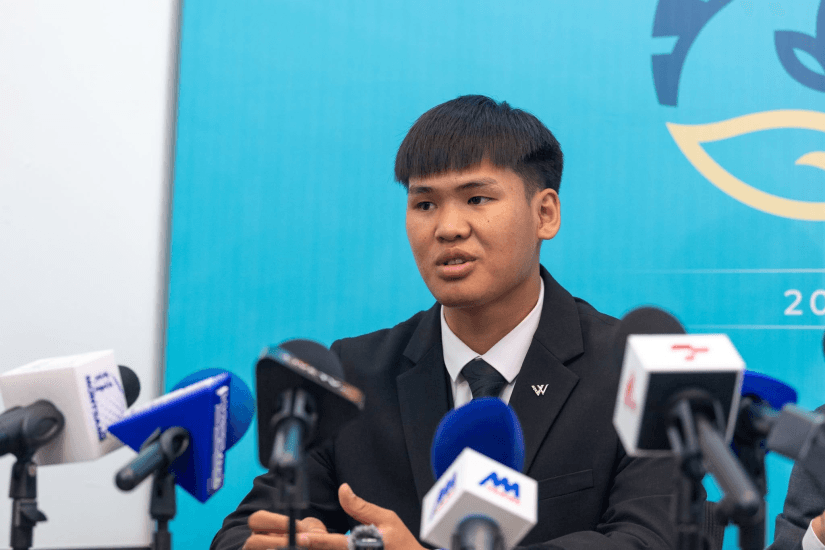
Gan-Ochir A., Livestock Breeding Specialist at the "Green Gold" Mongolian Society for Rangeland Management and a caravan participant, said: "As someone raised in Mongolia, traveling through Uzbekistan and Kazakhstan and meeting pastoralists whose lifestyle differs from ours yet remains deeply similar in essence was inspiring. Every place we visited and every community we met taught us something new. We saw how they adapt to climate change and preserve their traditional customs passed down through generations. Now, leading up to COP17, what remains is to exchange the experience and knowledge we have gathered."