Loading…
Loading…

MONTSAME
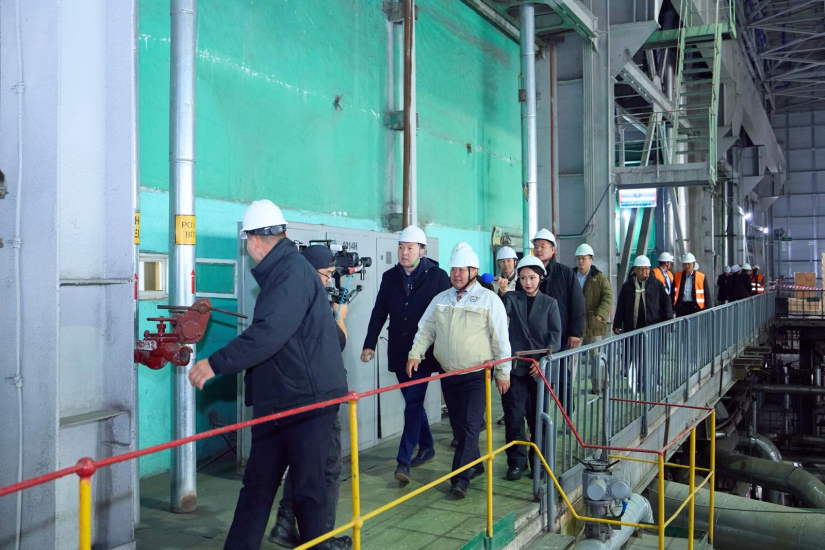
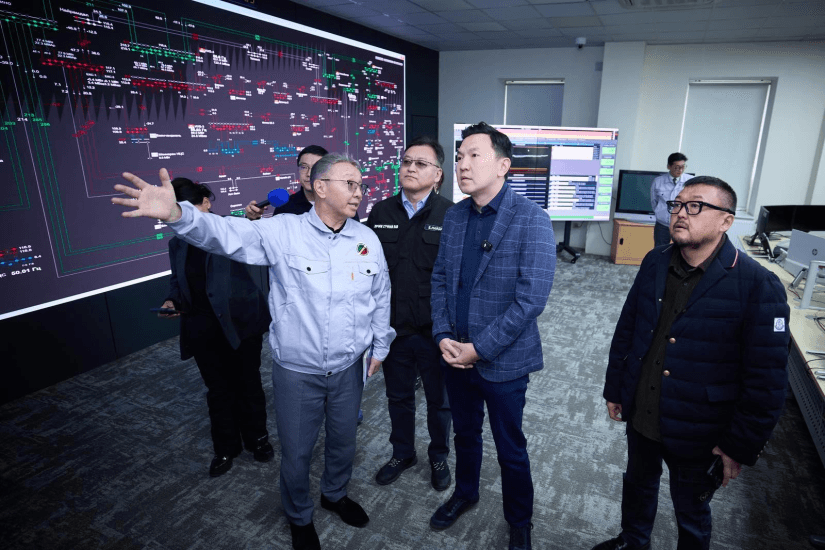
Ulaanbaatar, November 1 /MONTSAME/. Prime Minister Uchral Nyam-Osor has visited the National Dispatching Center and Thermal Power Plants No. 3 and No. 4 to review progress on maintenance and modernization projects financed through the state budget and the Government’s Reserve Fund, while issuing additional instructions to officials.
According to Baljinnyam G, Executive Director of the National Dispatching Center, 92.5 percent of the tasks assigned by the Prime Minister during his previous visit in spring have been completed. The center is responsible for the 24-hour operational management and coordination of Mongolia’s electricity system.
Mongolia currently has an installed electricity generation capacity of 1,905 MW, including 1,797 MW in the Central Energy System. Electricity shortages are currently covered through imports from Russia. During the peak demand period of winter 2026–2027, electricity consumption in the central region is projected to reach 1,956 MW. The government plans to cover the capacity gap through 80 MW of electricity imports from China and the commissioning of a new 70 MW power plant in Sukhbaatar aimag.
Prime Minister Uchral warned that electricity demand could increase by 120–150 MW this winter, leaving the system with almost no reserve capacity. He instructed the National Dispatching Center to closely monitor the balance between electricity generation and consumption, prepare contingency plans for unexpected equipment failures and import disruptions, and ensure the professional coordination of newly connected energy sources.
The Government has allocated MNT 5.45 billion from its Reserve Fund for urgent repairs to power plants. Last winter, thermal power plants experienced 158 equipment failures and operational disruptions. The prime minister stressed that such incidents must not be repeated and pledged continued government support for resolving urgent issues.
At Thermal Power Plant No. 3, MNT 90 billion has been invested in upgrading Turbogenerators No. 7 and No. 9. In addition, the renovation of the heating surfaces of Boilers No. 4 and No. 8 has been completed using MNT 2.1 billion from the Government Reserve Fund.
These improvements are expected to reduce unplanned shutdown risks and strengthen the plant’s reliability during peak winter demand. The prime minister instructed officials to accelerate the remaining work, commission Turbogenerator No. 7 by December 2026, and complete the upgrade of Turbogenerator No. 9 in the first quarter of 2027.
Meanwhile, MNT 37.3 billion for the modernization of the plant’s Turbogenerator No. 5 has been included in the draft 2027 state budget for parliamentary consideration.
The prime minister also visited the site designated for the planned 300 MW Thermal Power Plant No. 6. Once operational, the plant is expected to supply electricity to 60,000 households and heating to 52,000 households in Ulaanbaatar. It is scheduled to begin operations in 2030. Officials were instructed to accelerate the feasibility study and preparatory work.
At Thermal Power Plant No. 4, winter preparations have been completed, including the full replacement of Boiler No. 3’s heating surfaces, financed with MNT 1.8 billion from the Government Reserve Fund. The plant also secured a MNT 253 billion loan from the Development Bank for its 89 MW expansion project and requested government support in extending the loan repayment period.
The draft 2027 state budget includes MNT 1.041 trillion for investments in the energy sector, including new generation facilities such as Thermal Power Plant No. 6, as well as MNT 16.2 billion for equipment modernization. The Government said it would seek alternative financing sources for projects facing investment delays.
The Government has also announced that electricity and heating tariffs will not be increased this winter. A total of MNT 186.2 billion was approved through the 2026 revised budget to prevent rising energy costs from being passed on to households and to finance repairs and upgrades.
Of this amount, MNT 107.3 billion will be provided in subsidies to offset increases in imported electricity costs and domestic generation tariffs, while MNT 78.9 billion has been allocated for maintenance and modernization of power plants, transmission and distribution networks, and related equipment.