Loading…
Loading…

MONTSAME
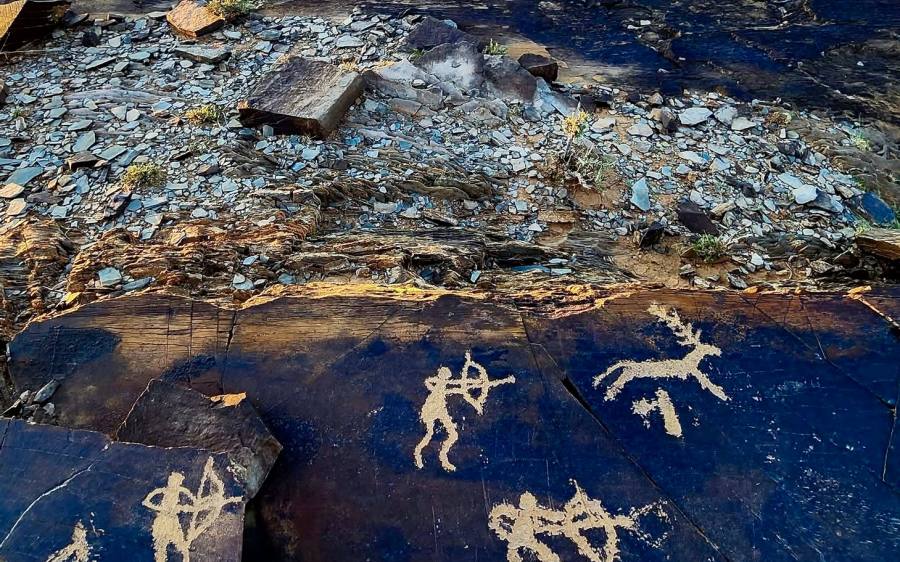
Mandalgobi, August 4, 2026 /MONTSAME/. The Petroglyphic Complex of Del Uul Mountain in Ulziit soum of Dundgobi aimag, featuring thousands of years of history spanning from the Neolithic era to the Turkic period, has been added to the Tentative List of UNESCO World Heritage Sites.
Located across Dundgobi and Umnugobi aimags, the Del Uul and Khunjliin Uul mountains host approximately 5,000 petroglyphs on their eastern and western slopes. The rock carvings depict humans, argali sheep, ibexes, horses, camels, hunting scenes, carts, and various symbolic figures. Researchers date these artifacts from the Neolithic, Bronze, and early Iron Ages through the Hunnu and Turkic eras.
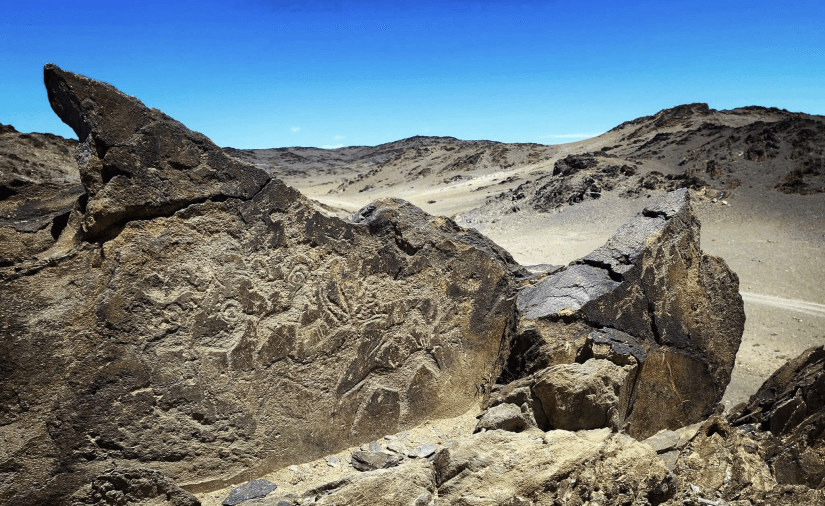
In addition to the petroglyphs, the site contains four Ancient Turkic runic inscriptions, Tang dynasty-era Mongolian and Chinese inscriptions, square tombs, and ancient stone structures. Research at the site began in 1960 under a joint Mongolian-Soviet expedition led by archaeologists Okladnikov A.P. and Dorj D., and continues to this day.
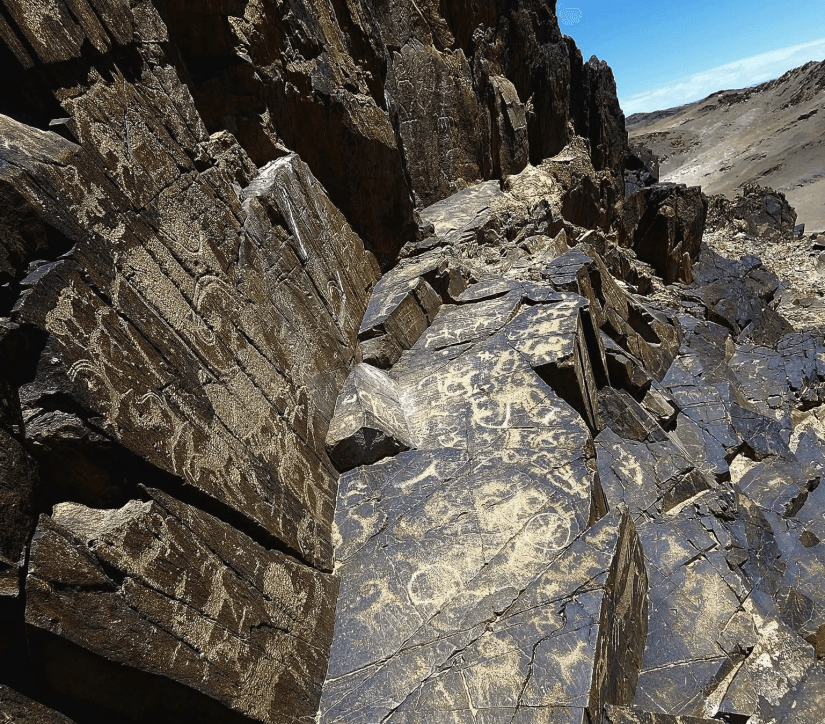
Local legend holds that residents named the site "Del Mountain" (Mane Mountain) because its parallel ridges resemble a horse's mane.
Among the site's most prominent features is the "32 humans" petroglyph, which depicts 32 figures apparently dancing on a flat slab of a square tomb facing the sunrise. Scholars remain divided on whether the carving represents a ritualistic dance or fertility symbolism.
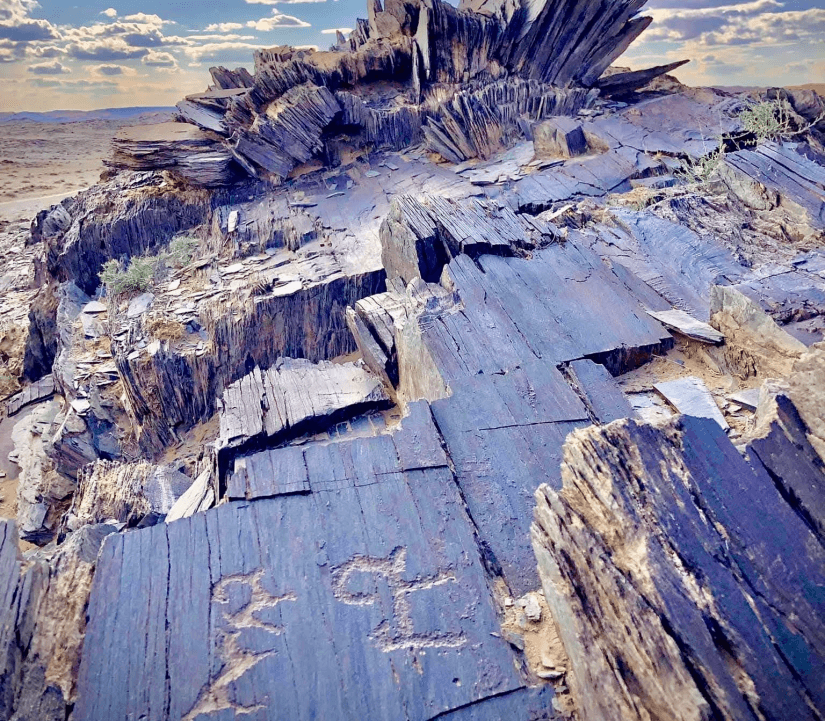
In 2024, researcher Bat-Erdene S. documented a similar carving depicting 23 human figures in the area named Ongotson near Del Uul Mountain.
The inscription of the complex on the Tentative List under the name "The Petroglyphic Complexes of the Mongolian Gobi" reinforces its international cultural significance. Local authorities are currently balancing site conservation and research with sustainable tourism development, including an integrated management plan for the Tsagaan Suvarga–Del Uul Mountain region.