Loading…
Loading…

Ooluun Batbayar
Ulaanbaatar, November 24, 2026 /MONTSAME/. As of today, 98% of general education schools nationwide are connected to the internet, with an average connection speed of 140 Mbps. Internet speeds have also been increased from 100 Mbps to 1 Gbps in soum centers and from 1 Gbps to 10 Gbps in aimag centers.
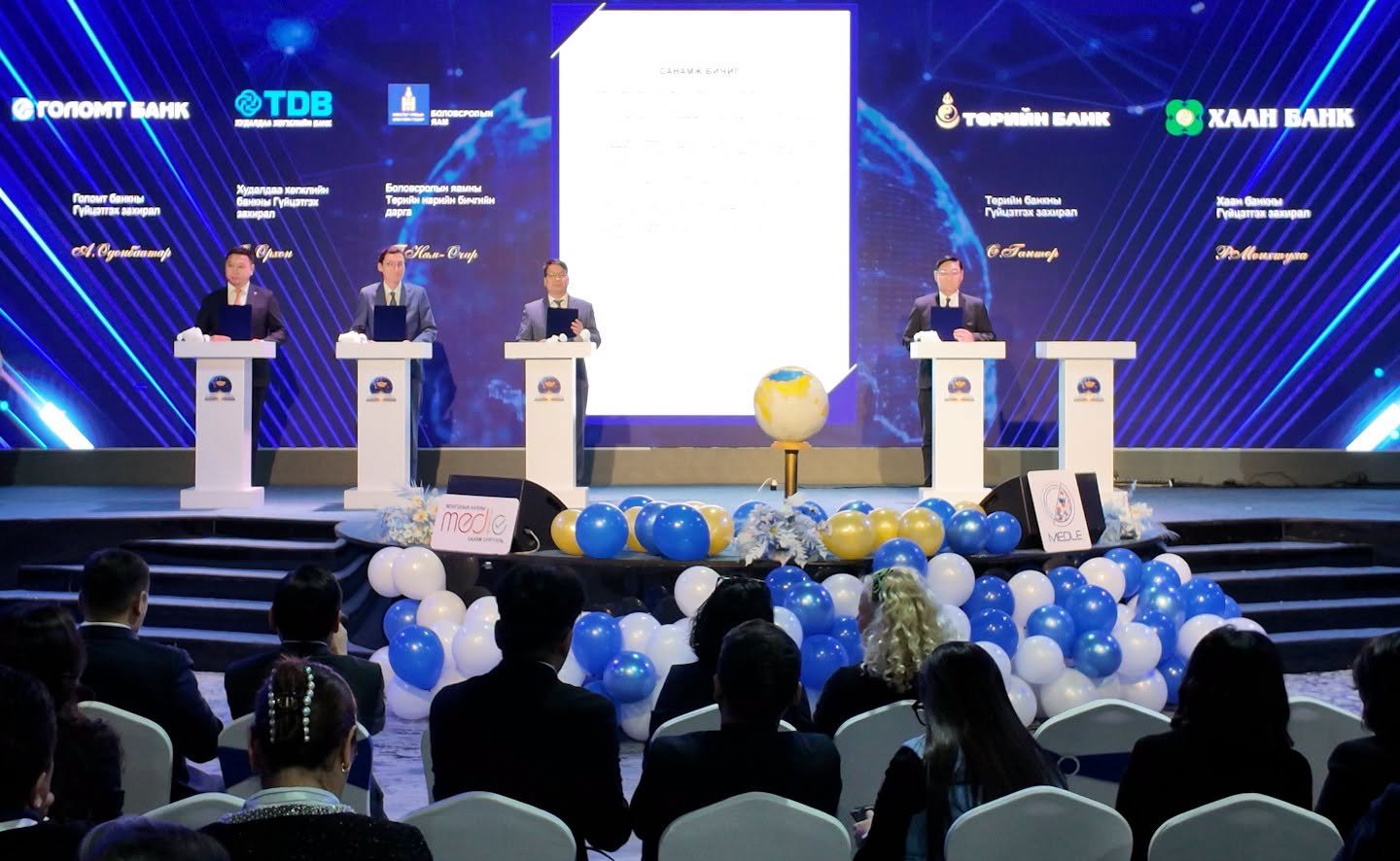
The “GIGA Initiative: Internet for Every School, Equal Access to Education for Every Child” event was held to expand digital infrastructure in the education sector, modernize learning environments and ensure equal opportunities for every child to receive a quality education.
Mongolia joined the GIGA Initiative, implemented by UNICEF and the International Telecommunication Union (ITU), in 2022. Since then, efforts to improve internet speeds and access in general education schools have been carried out in phases.
During the event, the Ministry of Education and the Ministry of Digital Development, Innovation and Communications signed a memorandum of understanding to cooperate. Framework agreements were also signed with telecommunications operators to provide internet services to general education schools.
The “Healthy, Green, Inclusive, Safe and Smart Schools” initiative has also been launched to modernize school buildings and learning environments in line with children’s health, safety and developmental needs. Under the initiative, government and private-sector organizations signed a memorandum of understanding to work together to improve school infrastructure, energy efficiency and accessibility.
In addition, the “Medle” digital content library has been upgraded to enrich digital learning materials, and the new “Medle 2.0” platform was officially launched. The library now hosts more than 20,000 educational resources and features AI-powered smart search, voice search and integration with digital learning platforms.
Building on a pilot program that enabled rural students to take elective courses online, the state-owned “Medle” online school has also been established. It will provide opportunities for students to receive primary, basic and upper secondary education regardless of their location or living conditions. It will also enable children living abroad to study through a unified curriculum covering their mother tongue, traditional Mongol script, history and culture.
According to the Ministry of Education, these efforts to improve school internet infrastructure, expand digital learning content, and modernize learning environments are aimed at accelerating the digital transformation of the education sector and ensuring that every child has equal access to quality education, regardless of where they live or their social and economic circumstances.

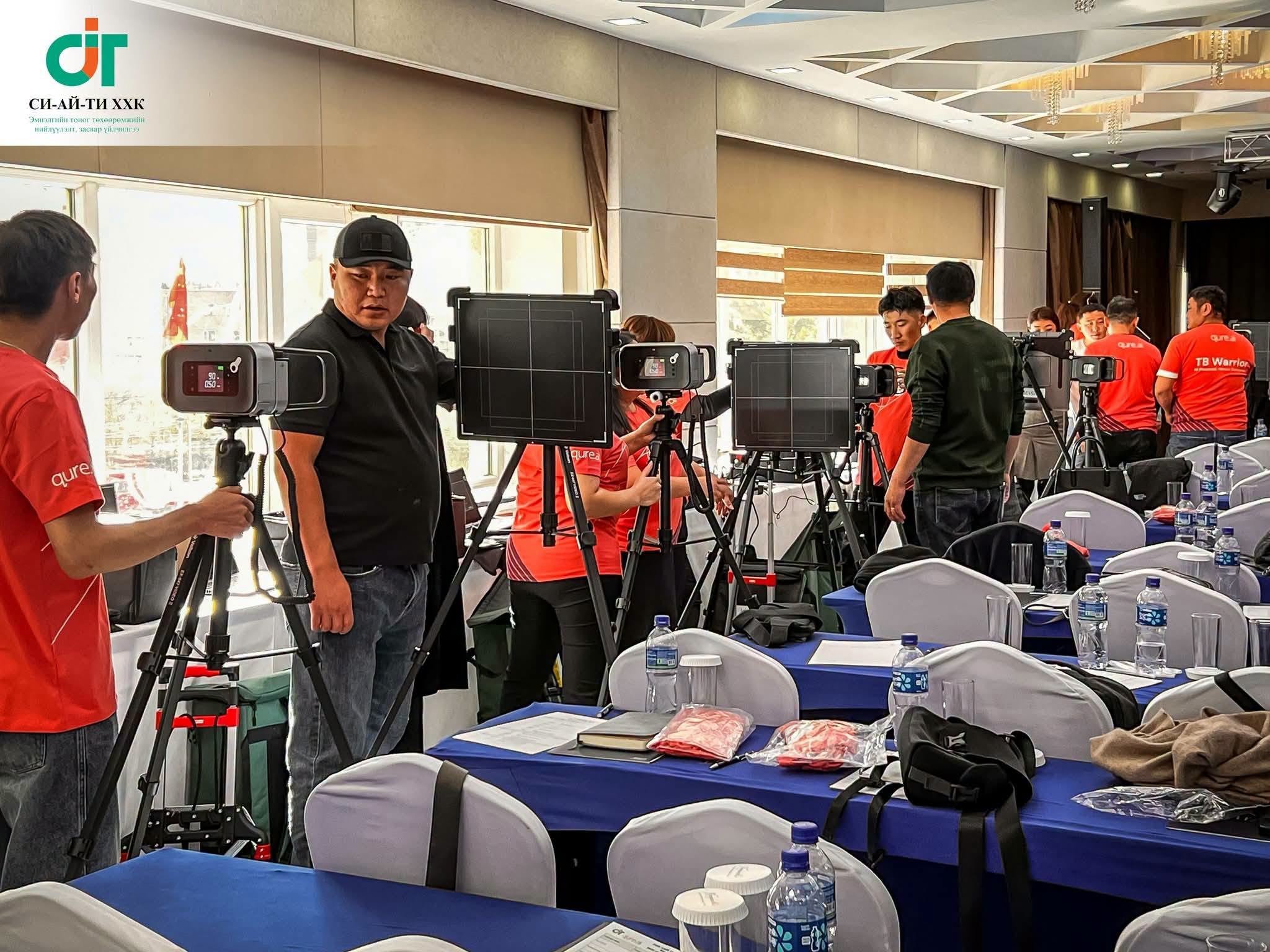
AI-Powered Portable X-Ray Machines to Improve Healthcare Access in Remote Communities
Politics EN
Government Proposes Remote Online Notary Services, Fee Exemptions for Vulnerable Groups
Education and science news of Mongolia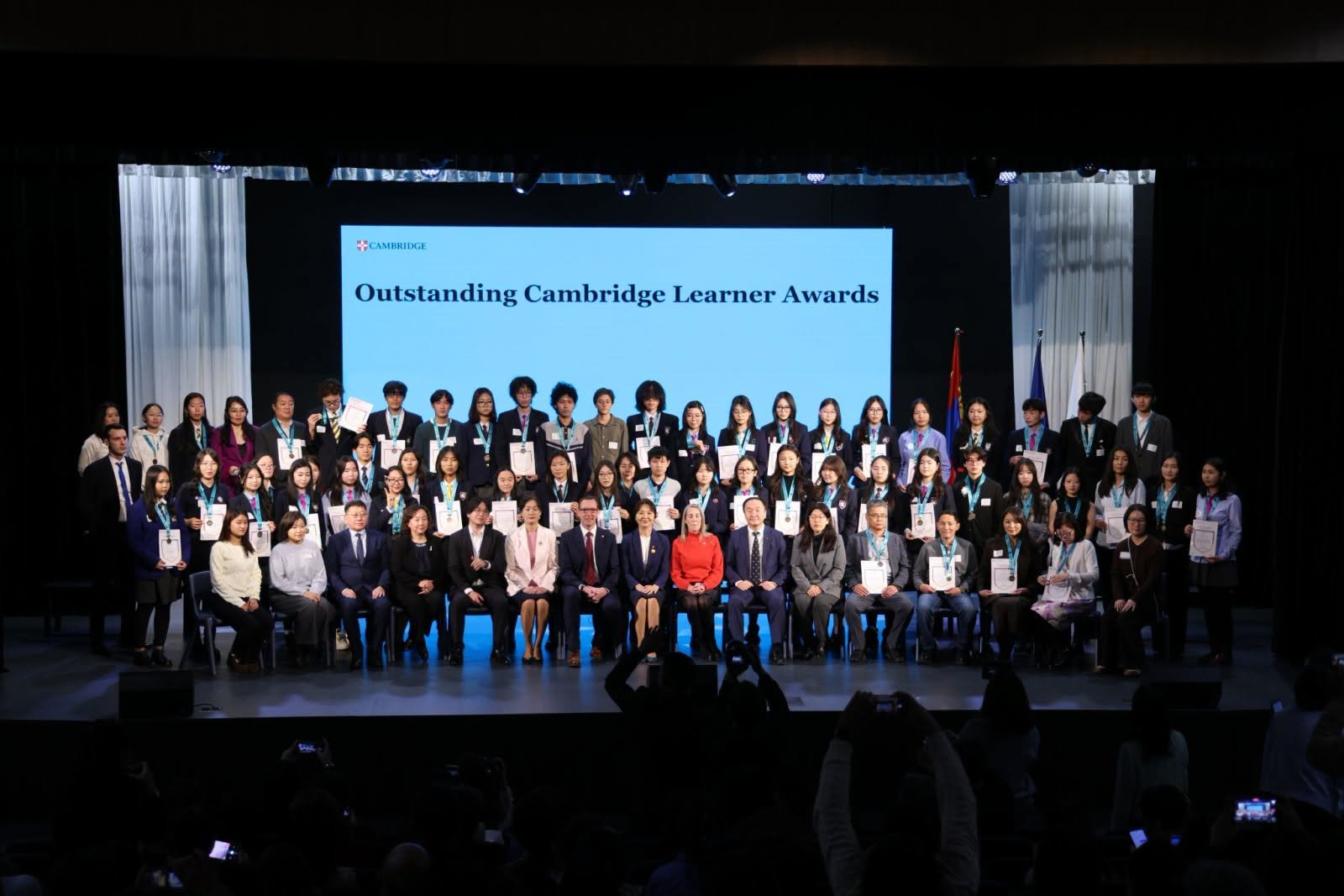
55 Mongolian Students Receive Outstanding Cambridge Learner Awards

