



Amnesty International: 2025 A Year of Deterioration in Human Rights
Politics
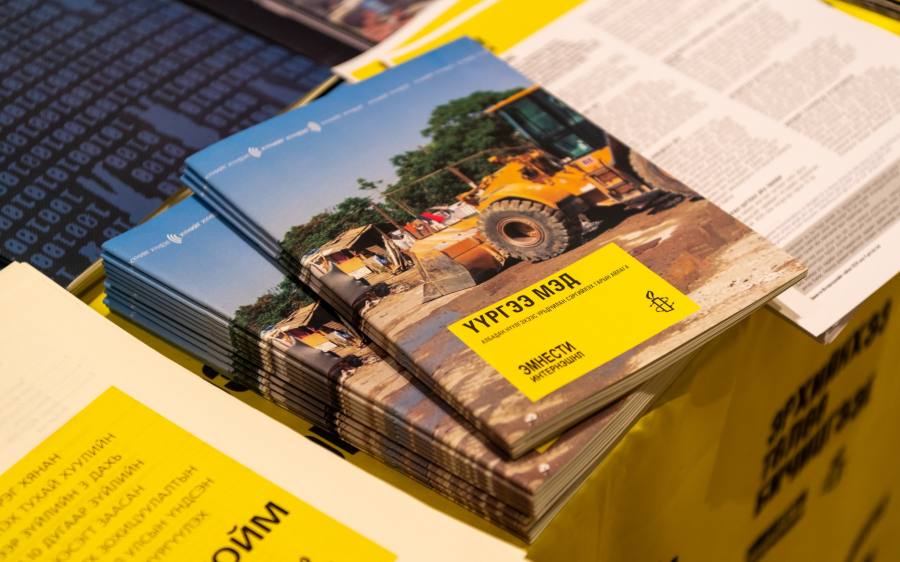
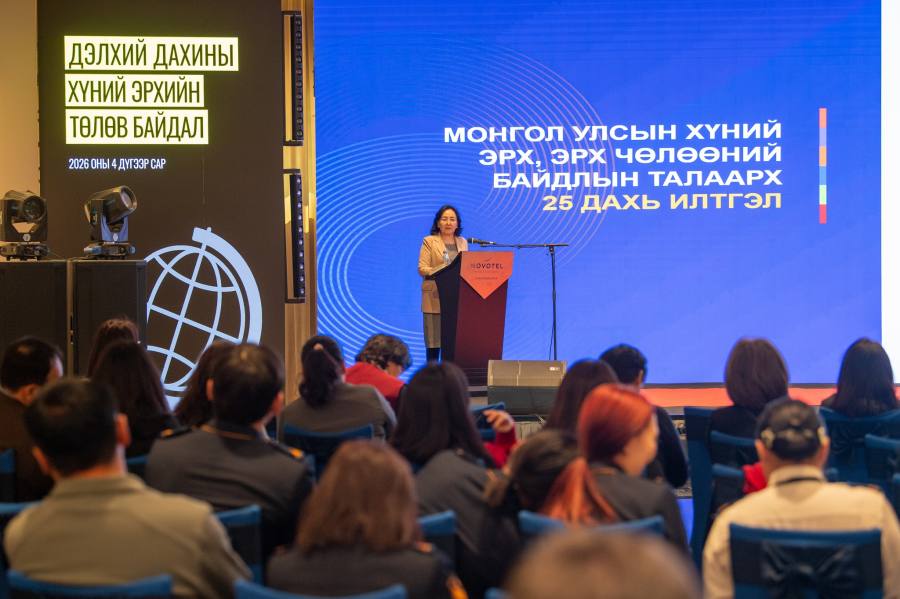
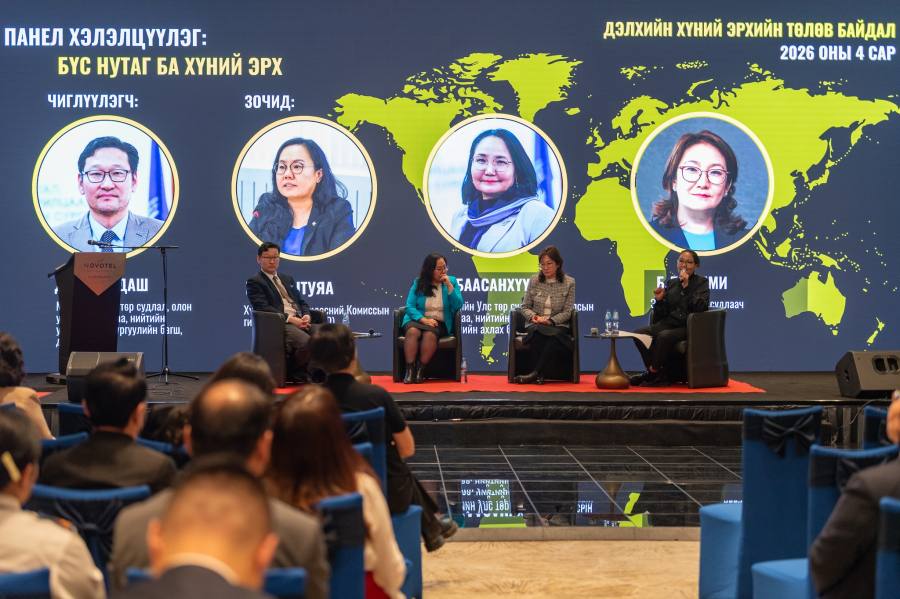
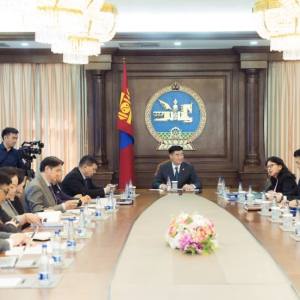
Ulaanbaatar, April 22, 2026 /MONTSAME/. Amnesty International Mongolia hosted a conference on April 21 in Ulaanbaatar to present the findings of Amnesty International's annual State of the World's Human Rights Report, featuring two panel discussions on regional and domestic human rights developments.
Amnesty International's State of the World’s Human Rights Report has noted that 2025 became a year of sharp deterioration in the international order and human rights protections. The report highlighted the growing misuse of technology, specifically Artificial Intelligence (AI), and social media for harmful rather than constructive purposes with regulation lagging behind.
According to the report, serious human rights violations continued on a wide scale across the world in 2025, with Israel's war crimes in the Gaza Strip, Russia's war crimes in Ukraine, and the armed conflicts in Sudan and Myanmar causing the greatest loss of civilian life.
The report noted that international accountability mechanisms faced significant setbacks, with countries such as the United States and Russia continuing to obstruct the authority of the International Criminal Court, while the suppression of dissent and criticism, as well as the persecution of human rights defenders and journalists, increased across much of the world. On the environment, the report emphasized that governments failed to take sufficient action to phase out fossil fuels, and that the heaviest consequences of climate change continue to be borne by the populations of countries that have contributed least to it.
The report also recorded some positive developments, noting that the transfer of former Philippine President Rodrigo Duterte to the International Criminal Court and the issuance of arrest warrants against Taliban leaders represented meaningful steps toward accountability.
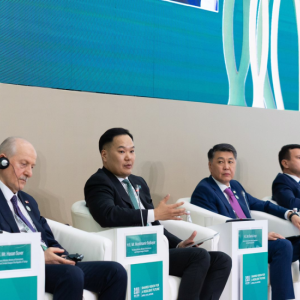
The forum titled "Mongolia's Reflection," organized by Mongolian Amnesty International to presented the report. Opening speech, Director of Amnesty International Mongolia Altantuya Batdorj underscored the report's central findings, stating: "One of the most alarming developments was the use of technology under the guise of innovation as a tool to suppress and surveil citizens."
Panelists at the regional human rights discussion elaborated further on the misuse of technology. National Human Rights Commission Member Dr. Narantuya Ganbat noted, "Artificial intelligence is not inherently harmful. However, without adequate oversight, the risk of using this technology for discriminatory purposes is very real," while economist Lakhsmi Boojoo emphasized that the time has come for Mongolia to urgently address its energy transition challenges.
At the panel on human rights in Mongolia, Member of Parliament Dr. Luvsanjamts Ganzorig said, "The time has come for each of us to do our own part well, and to find ways to work together," while urban planning engineer Anu-Ujin Lkhagvasuren stressed that "Mongolia needs to institutionalize a human rights-based approach at every level of urban planning, infrastructure, and construction, and to make citizen participation a genuine reality."
Amnesty International is an independent, non-profit human rights organization with more than 10 million members operating worldwide.