



Munkhtamir Batbayar: 'Steppe Agenda' to Turn Targets Into Action
Politics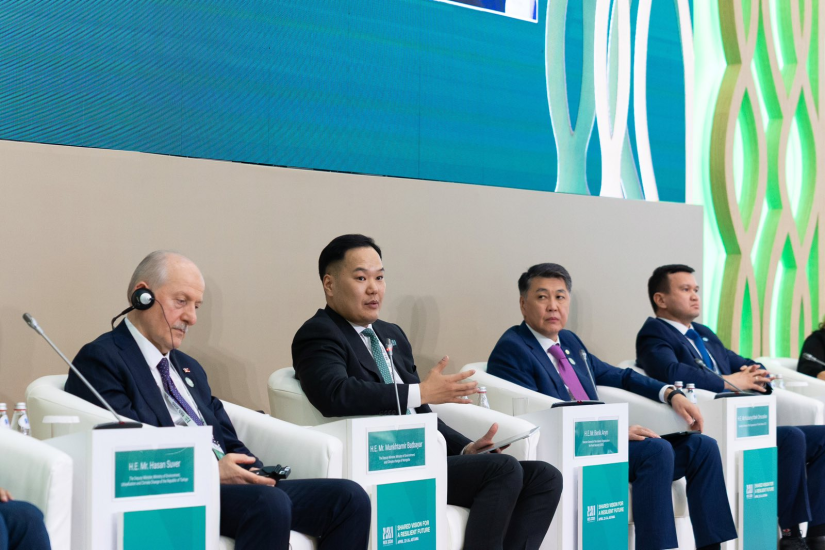
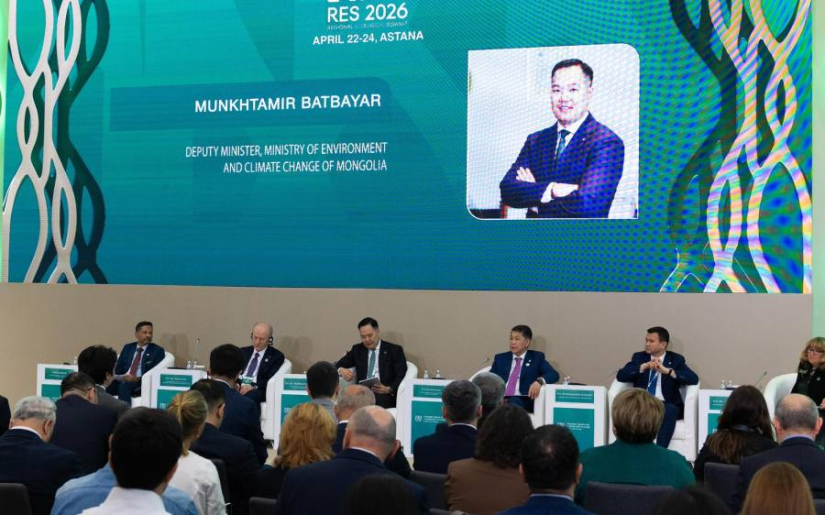
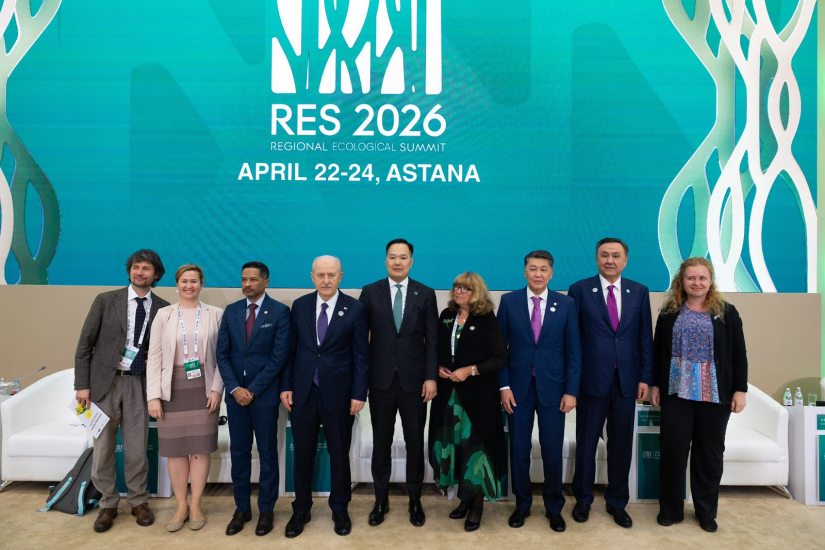
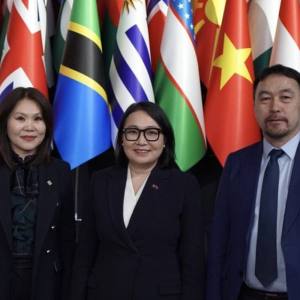
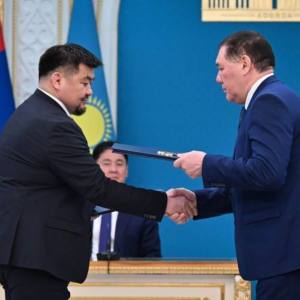
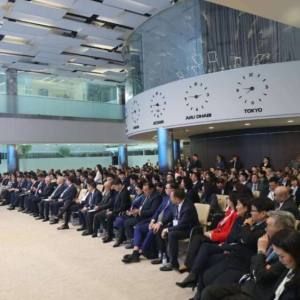
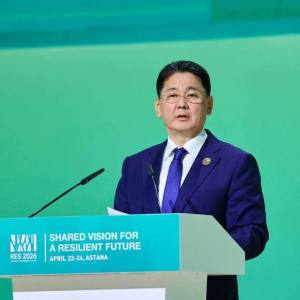
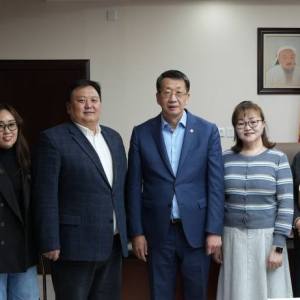
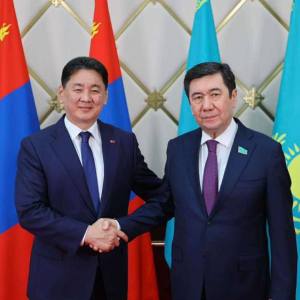
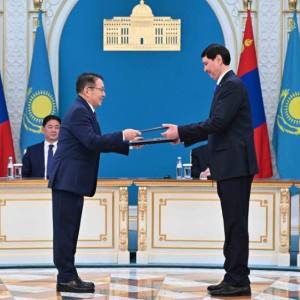
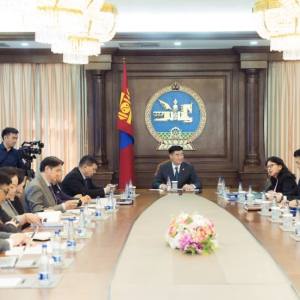
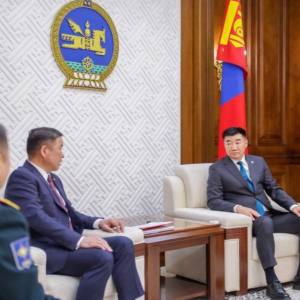
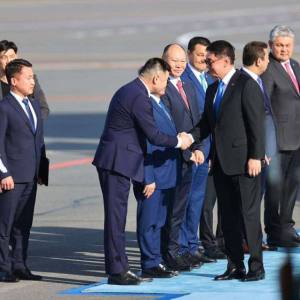
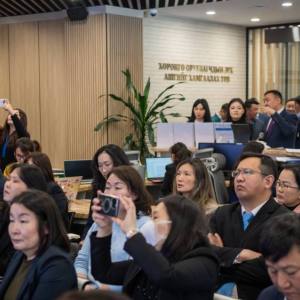
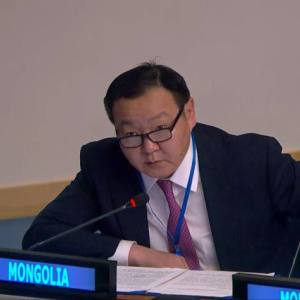
Ulaanbaatar, April 24, 2026 /MONTSAME/. Deputy Minister of Environment and Climate Change Munkhtamir Batbayar is participating in the Regional Ecological Summit 2026 (RES2026) being held in Kazakhstan.
The
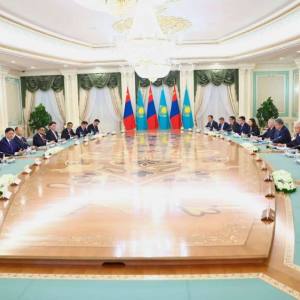
summit, taking place from April 22 to 24, aims to develop a joint climate
policy framework for Central Asian countries, identify practical financing and
technological solutions, and launch cooperative initiatives to address
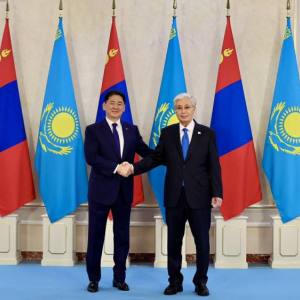
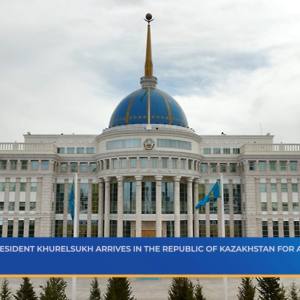
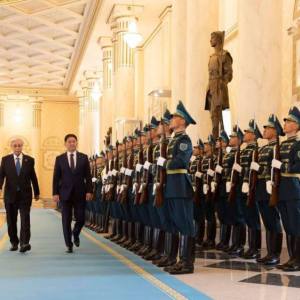
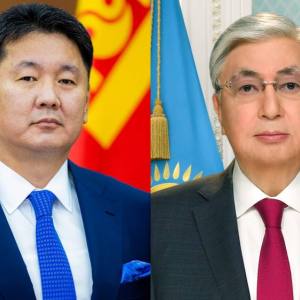
cross-border issues such as water, desertification, and air pollution. President
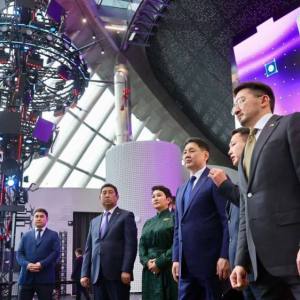
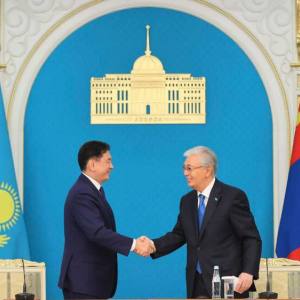
Khurelsukh Ukhnaa attended the opening ceremony in Astana and delivered
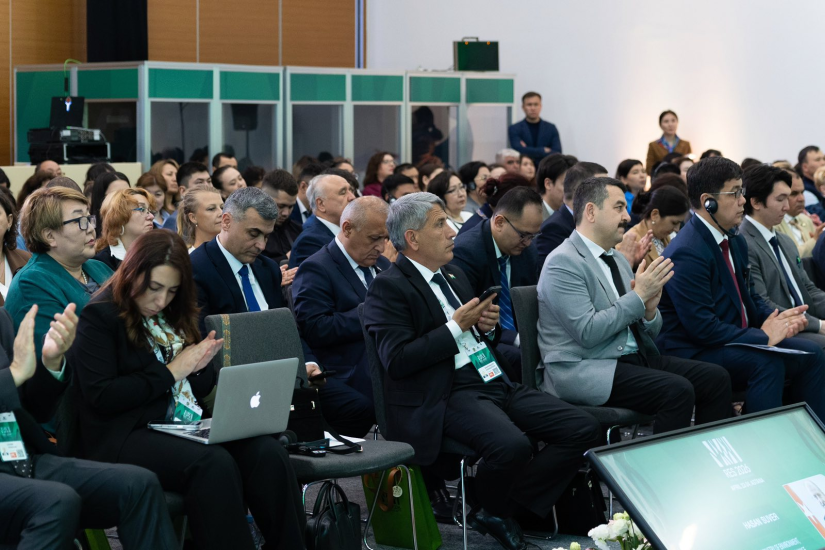
remarks. A broad range of stakeholders, including heads of state, ministers,
representatives from international organizations, development banks, and
researchers, are attending.
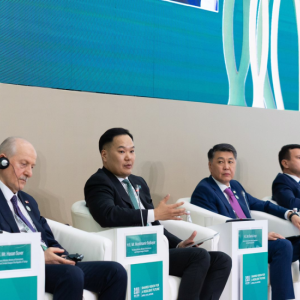
At
the summit, Deputy Minister Munkhtamir spoke at a panel discussion titled
“Strengthening Food Security and Resilience Capacity by Integrating
Comprehensive Climate Action, Land Restoration, and Biodiversity Protection.”
In
his remarks, he said 2026 is a particularly significant year for Mongolia as it
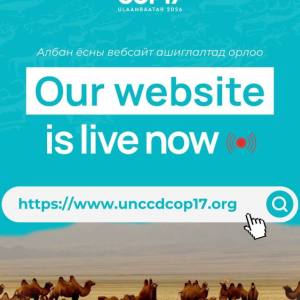
will host the first of this year’s three Conferences
of the Parties under the Rio Conventions.
He said Mongolia views this not only as a major responsibility, but also as a strategic opportunity to promote more integrated and coordinated action under the three conventions. The deputy minister noted that land lies at the intersection of climate change, biodiversity, and food systems, and that integrated action should be based on land and healthy soils, with implementation carried out at the systems level.
As host of COP17, Mongolia aims to make the “Steppe Agenda” a platform for moving from targets to practical implementation, he said. According to Munkhtamir, the agenda is intended to turn international commitments into concrete action while strengthening synergies among the Rio Conventions.
He said the vision is reflected in the COP17 slogan, “Restoring Nature, Restoring Hope,” adding that land restoration plays a key role in food security, local resilience, and sustainable socio-economic development.
Under the Steppe Agenda, Mongolia is proposing three key initiatives: the Pasture Flagship Initiative, aimed at restoring and sustainably using pastureland while improving soil health and ecosystem productivity; the Integrated Water and Land Management Initiative, designed to support coordinated management in arid regions and strengthen resilience to drought and water scarcity; and a third initiative to scale up nature-based solutions.
He
said the initiatives are not separate projects, but an integrated platform
ready to attract investment and implement the goals of the Rio Conventions in a
coordinated manner.
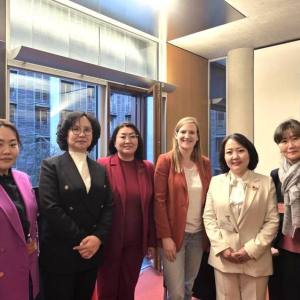
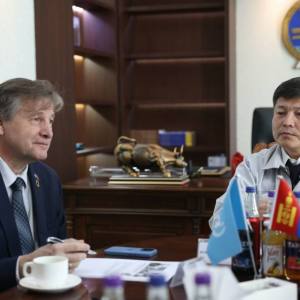
According to the ministry, Deputy Minister Munkhtamir is also participating in and speaking at high-level meetings on environmental partnership between the Shanghai Cooperation Organization and the UN Environment Programme, mountain regions and climate change, consultations on establishing an international water organization, sustainable financing for Central Asia’s water sector, implementation of nature-based solutions in Central Asia, and grant opportunities to improve infrastructure resilience.