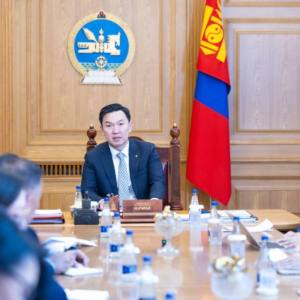




Severe Pollution Detected in Tuul River Near Ulaanbaatar
Environment
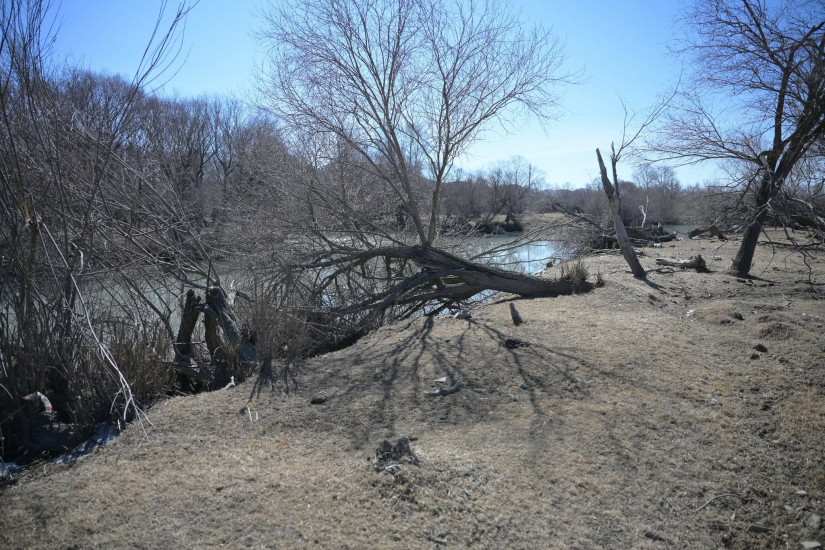
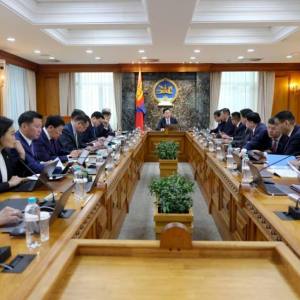
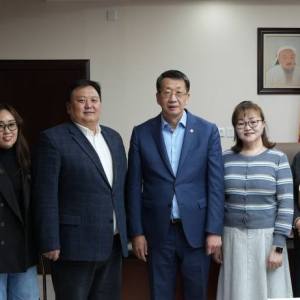
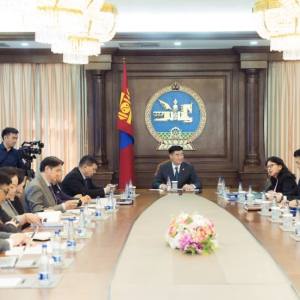
Ulaanbaatar, March 30, 2026 /MONTSAME/. First Deputy Governor of the Capital City Davaadalai Tumendalai and relevant officials conducted an inspection in the Biocombinat area of the 12th khoroo of Khan-Uul District.
According
to water quality index assessments, the section where treated wastewater from
the Central Wastewater Treatment Plant is discharged—particularly along a
western branch of the Tuul River—has been identified as the most polluted
stretch.
During
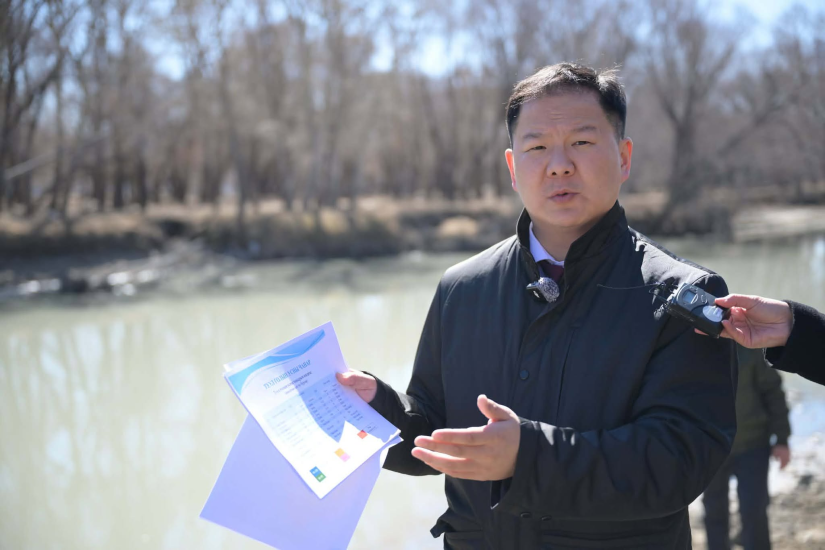
the visit, the First Deputy Governor Davaadalai noted that the Tuul River
originates in the Khentii mountain range and flows for 882 km. Monitoring
conducted at 10 points between 2022 and 2024 showed very high levels of
pollution downstream of Songino area. He recalled that the Central Wastewater
Treatment Plant, built in 1964 with a capacity to treat 160–180 cubic meters of
wastewater per day, has not been modernized, contributing significantly to the
river’s pollution.
He
added that a new treatment plant is being constructed with support from the
Millennium Challenge Corporation and is scheduled to be commissioned in May
this year. Following its completion, phased clean-up measures will be
implemented to restore the Tuul River, with eight priority areas identified. In
addition, the “Khargia” industrial wastewater treatment facility, commissioned
in 1974, is operating beyond capacity, leading to contamination by heavy
elements.
To
address this, the city is implementing a project at the Emeelt Eco Industrial
Park to build Mongolia’s first wastewater treatment facility dedicated to
treating pollution from the leather and hide-processing industry. Davaadalai
also noted that a draft resolution to launch a “Save the Tuul River” campaign
is being prepared for submission to the Citizens’ Representative Khural of
Ulaanbaatar.
Head
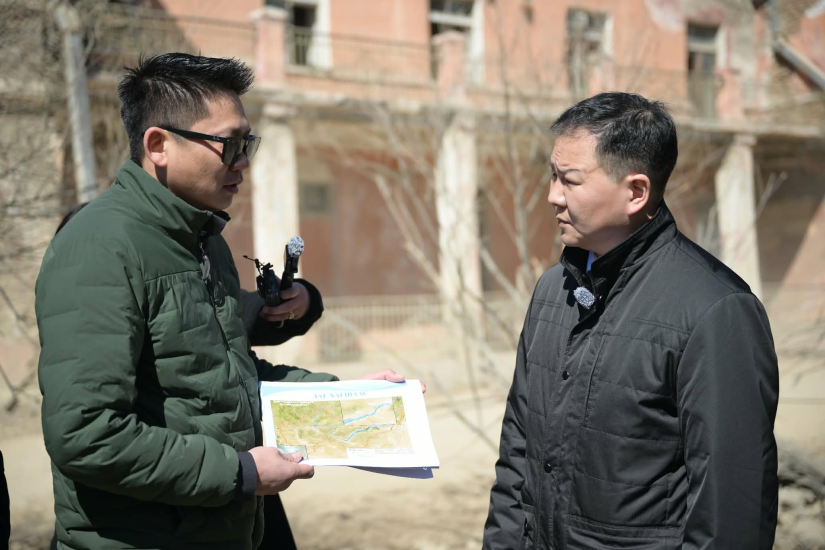
of the Capital City Environment Department Munkhbayar N.,stated that the Tuul
River runs for 115 km through seven districts of Ulaanbaatar. Between the
Central Treatment Plant and Altanbulag soum, approximately 21 km of the
riverbed has accumulated sludge layers 20–40 cm thick, while a further stretch
downstream to Lun soum has around 5 cm of sediment. Studies by international
organizations suggest that the pollution can be removed through mechanical
cleaning, and German equipment available at the Water Agency could be used for
sludge extraction.
Water
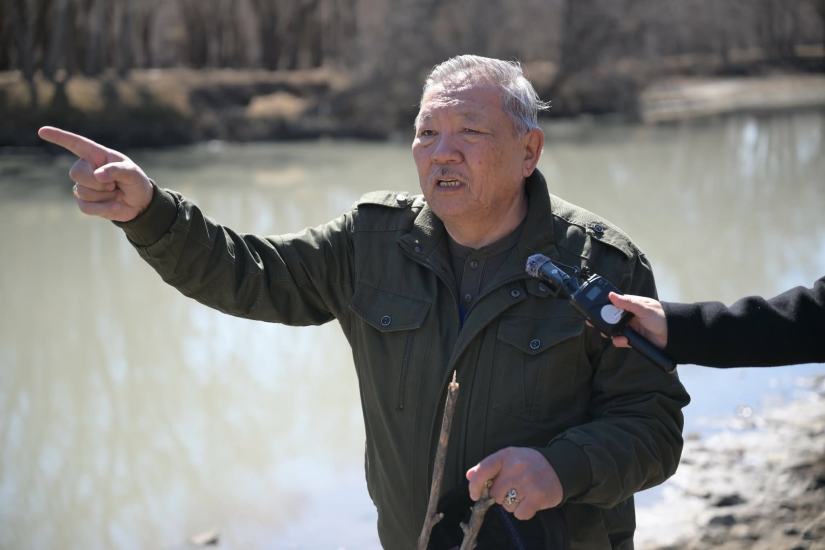
engineer.Baranchuluun Sh., said that both treated effluent and emergency
discharges from the Central Treatment Plant are entering the river. A 2022
study found sludge deposits of 40–50 cm thickness in some sections, describing
the situation as “a real disaster.” He also pointed to abandoned gravel
quarries upstream that have not been rehabilitated, further worsening flow
conditions. He stressed the need for both river channel regulation and
pollution removal, noting that contaminants continue to flow downstream as far
as Lun soum bridge and, at times, to the confluence of the Orkhon and Tuul
rivers.
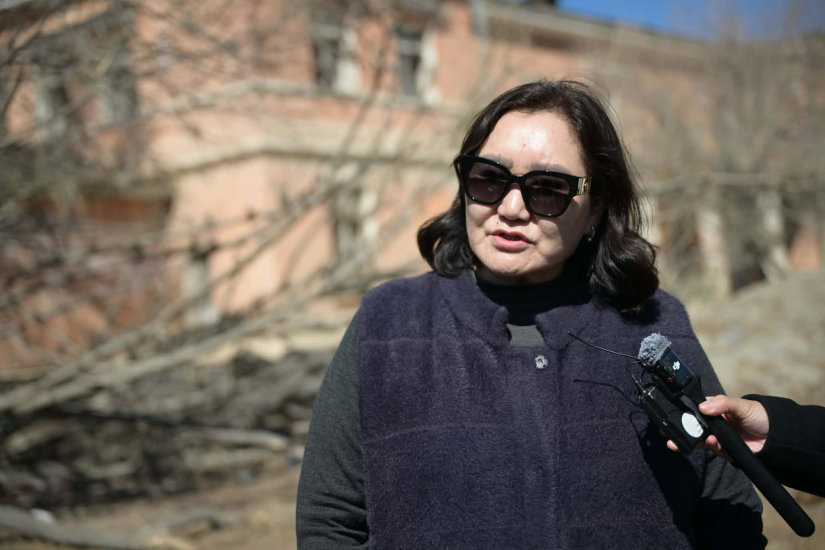
B.Erdene,
head of the Mongolian Remote Sensing Association, noted that more than 100
unreclaimed pits—ranging from 50 cm to 5 meters deep—were identified in a
census conducted seven years ago. She warned that polluted water is affecting
livestock that depend on the river, raising serious food safety concerns at the
national level.
Environmental officer Ts.Saruulbayar noted that the area known as “Nogoon Bulan” in Khan-Uul District was once a clean and scenic recreational site, but has become heavily polluted in recent years due to the overcapacity of the treatment facility.