



Resilience, Balance, and the Lever for Prosperity – UN to Convene for Healthy Land
Environment

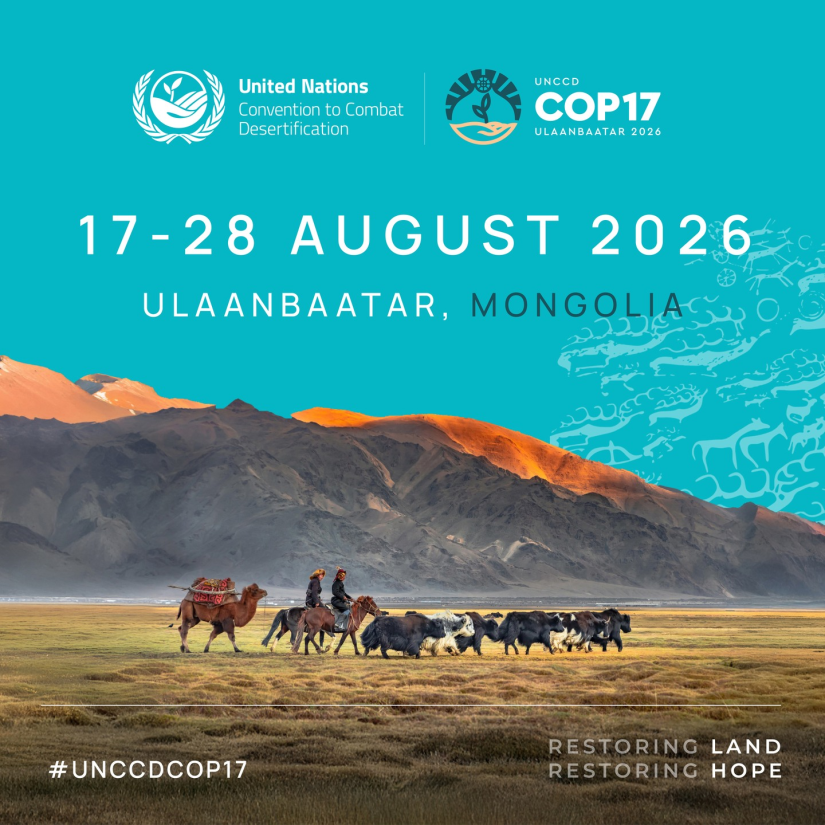
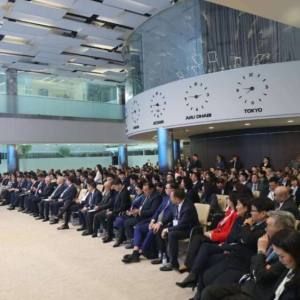
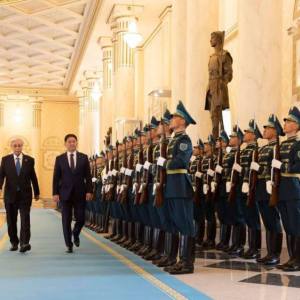
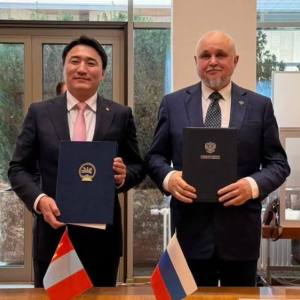
The Government of Mongolia and the Secretariat of the United Nations Convention to Combat Desertification (UNCCD) have announced the thematic days for the "Blue Zone" of the 17th Conference of the Parties (COP17), to be hosted in Ulaanbaatar.
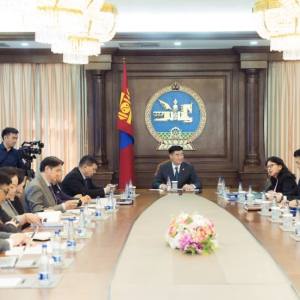
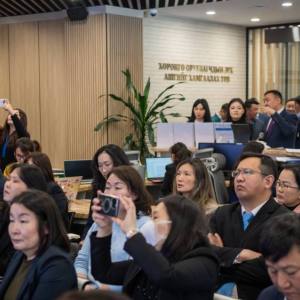
Under the theme “Restoring Land, Restoring Hope,” the UNCCD COP17 is scheduled to take place from August 17 to 28, 2026. Today, March 17, 2026, exactly five months before the event, the thematic days and official action plan were presented to the public.
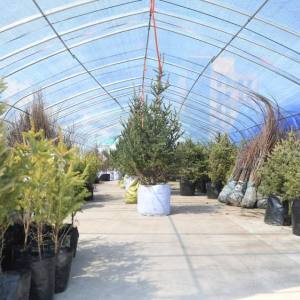
Representatives from 197 member states, scientific organizations, the private sector, and land users will gather in Ulaanbaatar to collaborate on the global mission to protect and restore healthy land—the foundation of prosperity, ecological balance, and climate resilience.
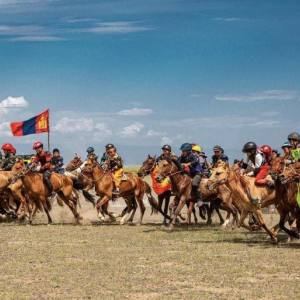
The 17th session aims to translate international commitments into concrete, measurable actions. Key discussion areas will include strengthening drought resilience, reducing land degradation, increasing financing for land restoration, and defining the future trajectory of rangeland ecosystems and nomadic pastoralism worldwide.
This year marks a significant milestone as all three “Rio Conventions” (Biodiversity, Climate Change, and Land) will hold their respective Conferences of the Parties. As the first of these major summits, COP17 in Ulaanbaatar will set the global tone and initiate policy dialogues for the coming years.
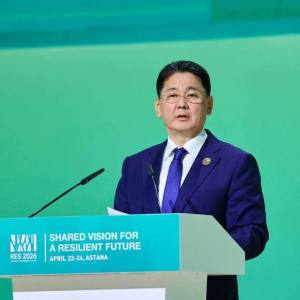
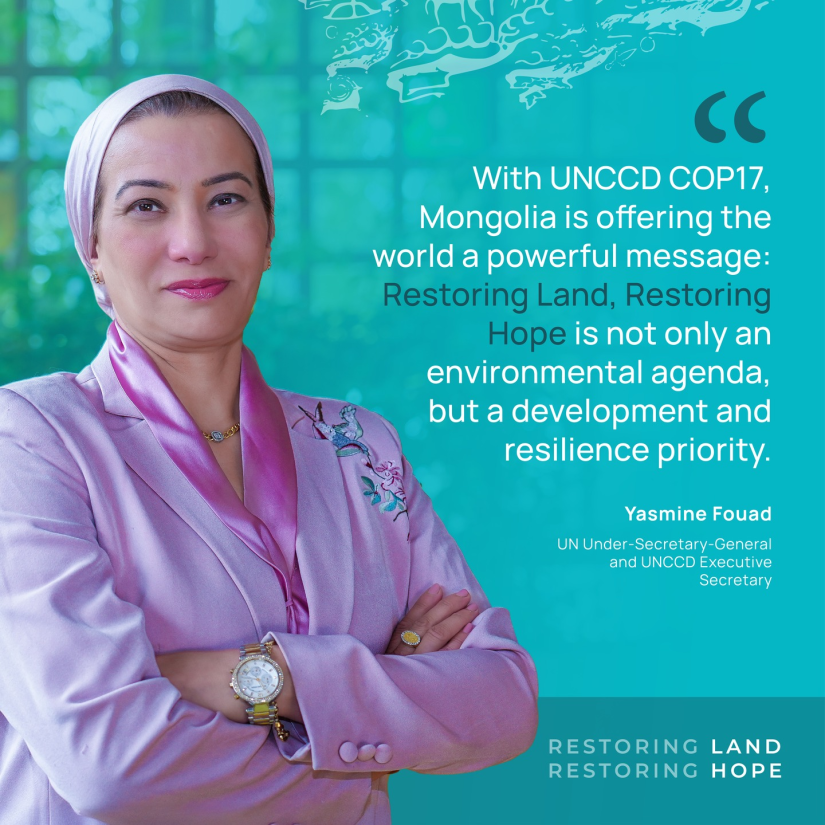
The Executive Secretary of the UNCCD, Dr. Yasmine Fouad, emphasized :
"Over the past decade, countries have committed to restoring one billion hectares of degraded land by 2030, and more than 70 now have national drought plans. COP17 is our opportunity to turn these commitments into real change on the ground. That means mobilizing finance at scale for land restoration and drought resilience, investing in preparedness rather than costly crisis response, and recognizing rangelands as vital assets for economies, cultures, and climate. The thematic days and action agenda for COP17 reflect a simple truth: healthy land underpins food security, water availability, economic resilience and stability everywhere — and the time to act is now."
The Minister of Environment and Climate Change, Batbaatar Bat, stated:
“For the Government of Mongolia, the Riyadh-Ulaanbaatar Action Agenda is a strategy to engage citizens, companies, cities, and communities in the restoration of critical ecosystems, including rangelands and agricultural lands, and in the investment in the land-water nexus and drought resilience. We invite leaders from all walks of life to join us at COP17 to share and accelerate solutions for building healthy and resilient economies and societies.”
He also called on leaders from all sectors of society to actively participate in COP17 and jointly share and implement solutions aimed at building healthy, sustainable economies and societies.
Within the framework of COP17, thematic days will be organized to focus on global land degradation and drought challenges. These days will serve as a vital platform to connect political decision-making with practical solutions and to ensure multi-stakeholder engagement in advancing land restoration and drought resilience.
Thematic Days
 Finance Day (August 24): Approximately USD 1 billion per day is required to restore land at scale, yet current financing falls far short. This day will bring together finance ministers, development banks, international financial institutions, and private sector representatives to address the financing gap and unlock large-scale investment opportunities.
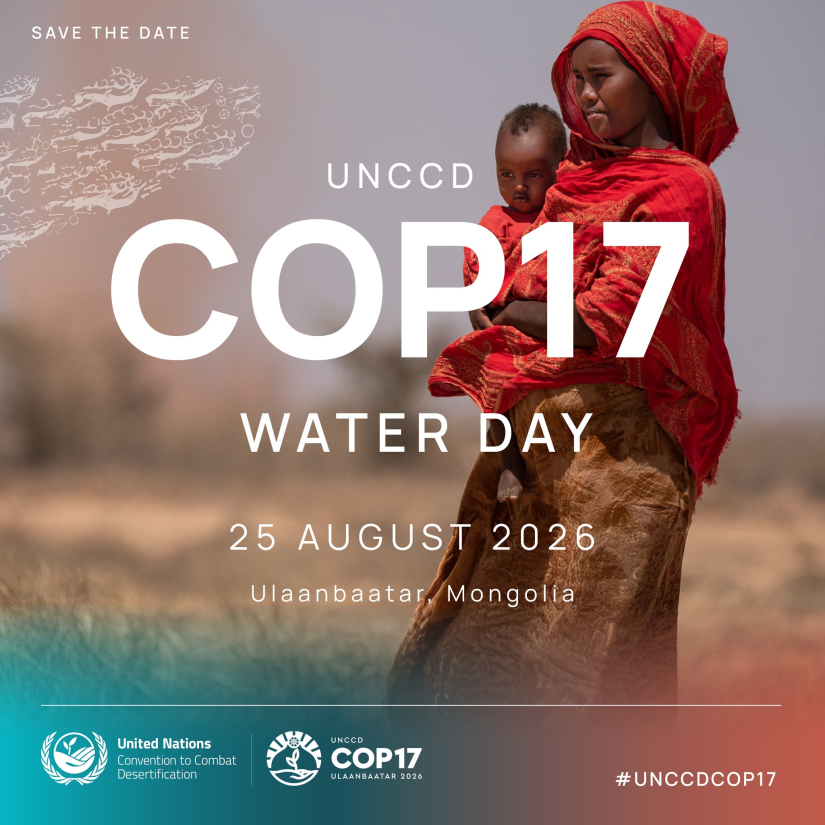 Water Day (August 25): By 2050, three out of four people globally are expected to face drought risks. Discussions will focus on improving drought preparedness, promoting integrated water resource management, and strengthening cooperation between water and land planning.
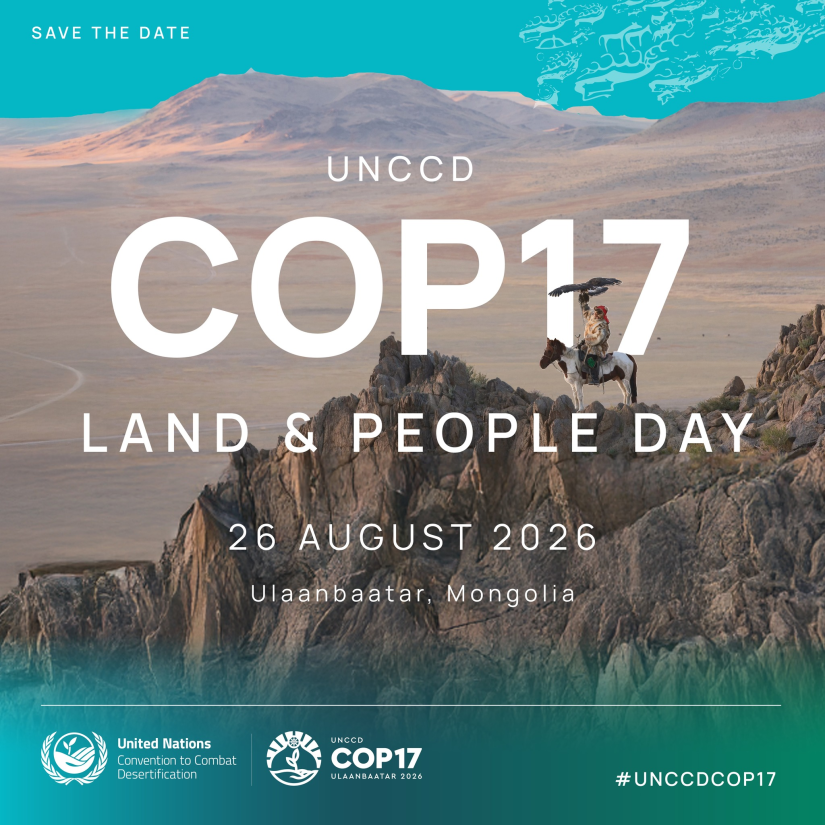 Land & People Day (August 26): Rangeland ecosystems support the livelihoods of around 500 million people worldwide, but remain among the most undervalued ecosystems. This day will amplify the voices of land users, including Indigenous peoples, local communities, herders, nomads, youth, women, and civil society organizations.
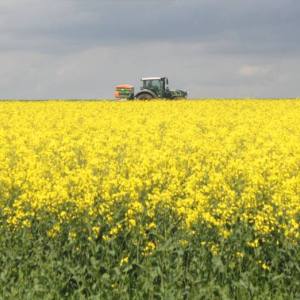
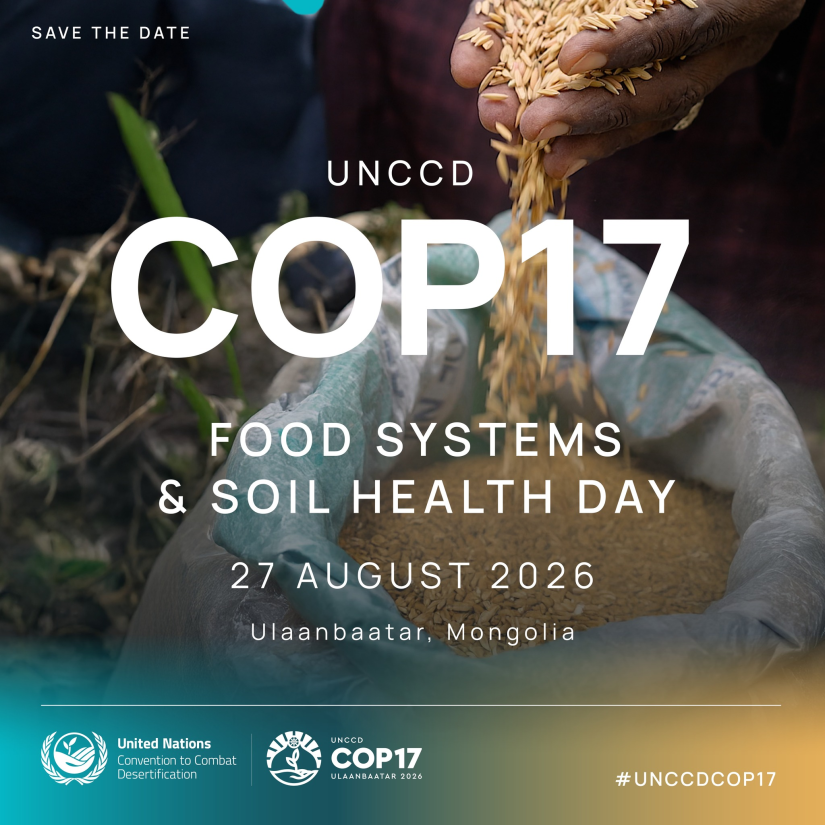 Food Systems & Soil Health Day (August 27): To meet global food demand by 2050, food production must increase by at least 50 percent. However, current food systems remain a major driver of land degradation. Discussions will explore solutions linking land restoration with food security, agricultural productivity, and the livelihoods of farmers and herders.
These thematic days aim to bring the solutions, partnerships, and investments necessary for land restoration, increasing drought resilience, and protecting healthy ecosystems to the center of global attention.
Bringing together governments with shared values, scientific researchers, the business sector, herders, and multi-stakeholders for discussion will contribute significantly to moving from dialogue to real implementation and preserving healthy, productive ecosystems and sustainable economic opportunities for future generations, emphasized Dr. Yasmin Fouad, Executive Secretary of the UNCCD.