



Parliament Examines Oyu Tolgoi Agreements, Benefits in Multi-Day Evidence Hearing
Politics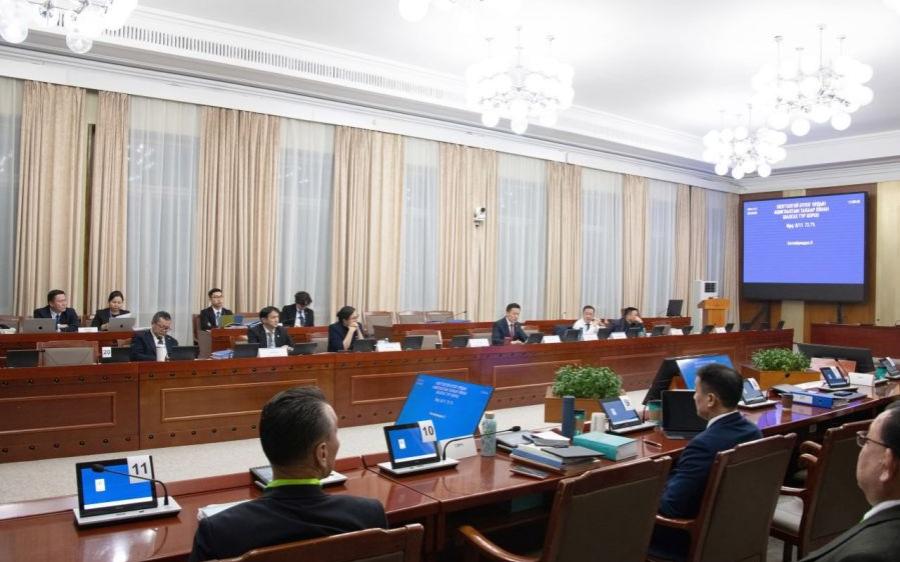
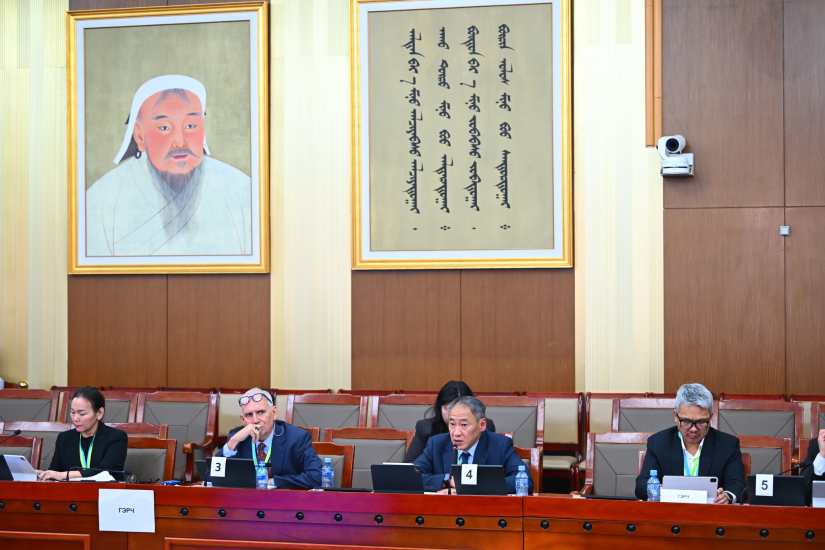
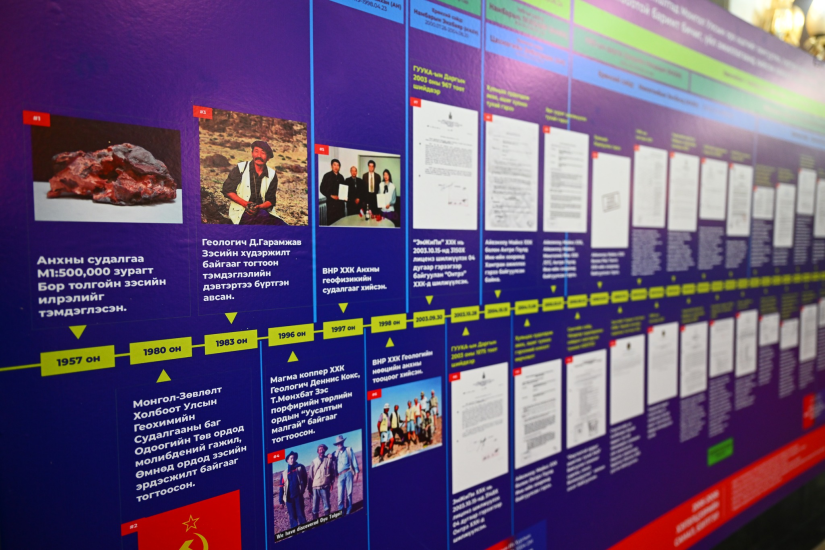
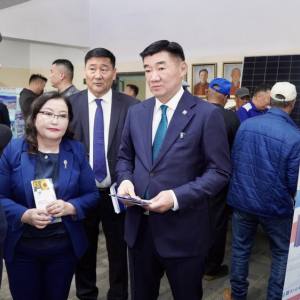
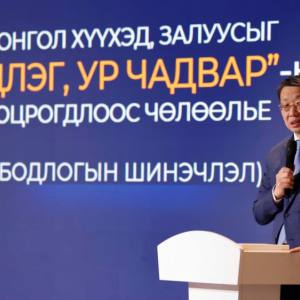
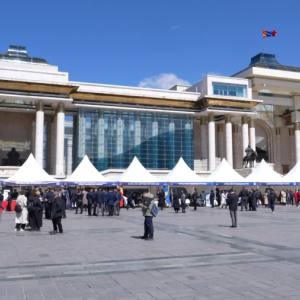
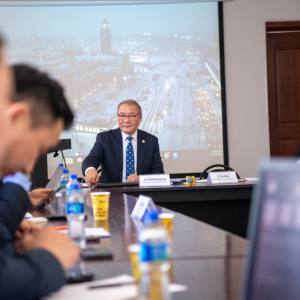
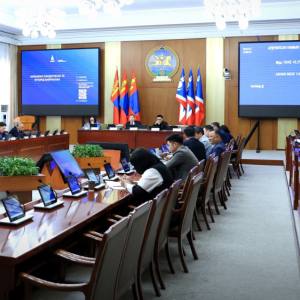
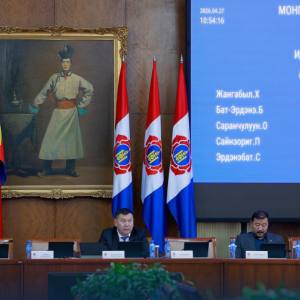
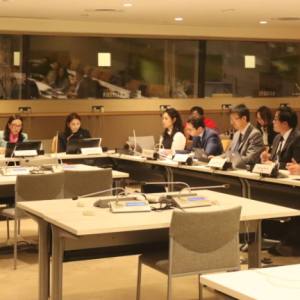
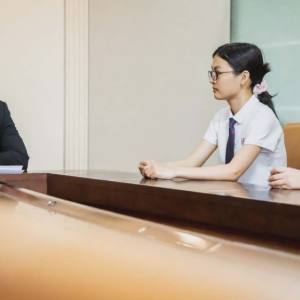
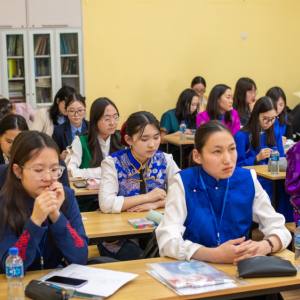
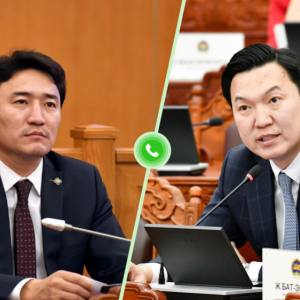
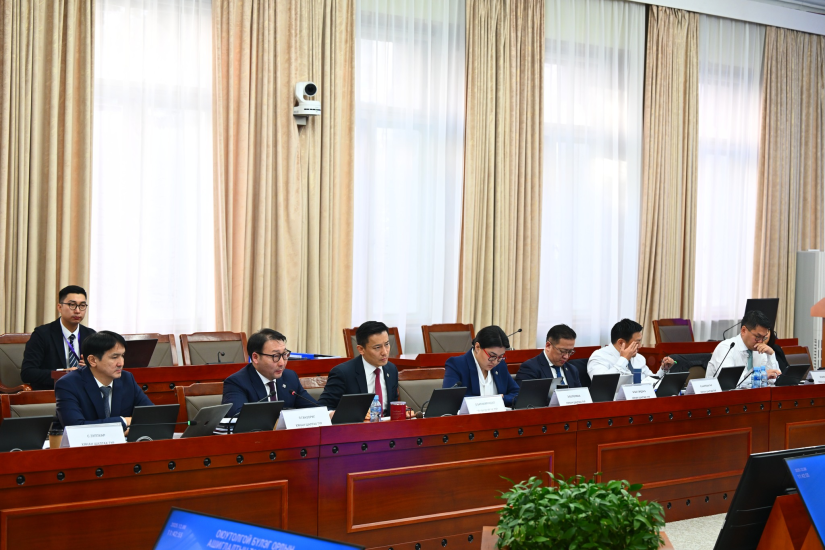
Ulaanbaatar, December 16, 2025 /MONTSAME/. A hearing to examine evidence was held from December 8 to 12 at the State Palace by the Temporary Investigative Committee of the State Great Khural, tasked with overseeing documents and activities related to safeguarding Mongolia’s interests and increasing the benefits derived from the exploitation of the Oyu Tolgoi group of deposits.
The
committee was established by Resolution No. 62 of the State Great Khural
(Parliament) of 2025. Member of Parliament Batnairamdal Otgonshar serves as
Chair of the Temporary Investigative Committee, with MPs Badamsuren
Myagmarsuren, Bat-Erdene Bat-Ulzii, Bayarbaatar Bayarmagnai, Bolormaa Enkhbat,
Zulpkhar Sarkhad, Byambasuren Shinebayar, Ganzorig Purevjav, Jargalan Batbayar,
Purevdavaa Davaakhuu, and Shijir Ulziikhuu serving as members.
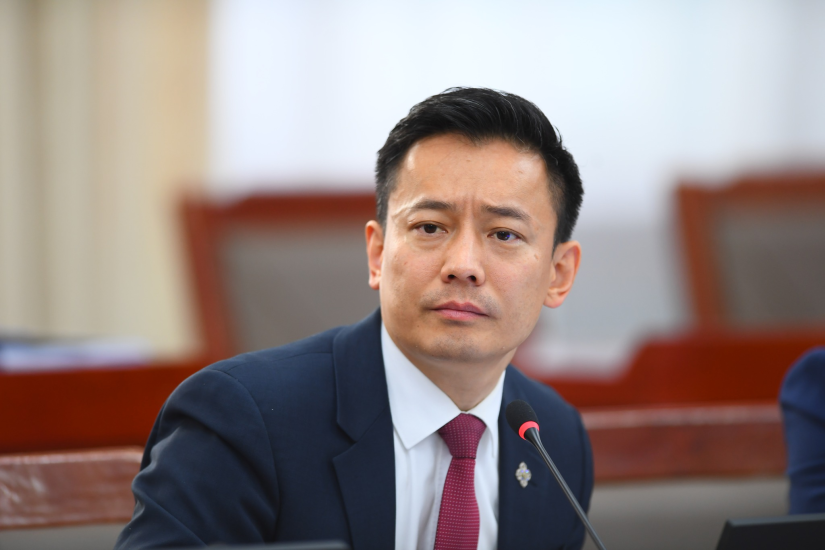
Closing
the hearing, MP Batnairamdal, Chair of the Temporary Investigative Committee,
stated, “This evidence examination hearing is the sixth of its kind in the history of
the Mongolian Parliament, and it recorded the highest average attendance rate,
at 70 percent. The Oyu Tolgoi project remains critically important to
Mongolia’s economy, not only for today’s citizens but also for future
generations. Therefore, this is precisely the right time to discuss the
consequences of the project and the solutions we should pursue going forward.”
He emphasized that the three-day hearing was not intended to assign blame to any individual or group. Rather, individuals who had not met face-to-face for 16 years since the contract was concluded, and who had long held differing and conflicting views, came together to discuss investments totaling USD 22 billion, an amount comparable to the size of Mongolia’s economy, within a legal and regulatory framework.
The
ad hoc committee chair also noted that from 2030 onward, Oyu Tolgoi is expected
to become the world’s third-largest copper producer. He stated, “For more than
20 years, since 2006, one of the world’s leading mining companies, the Rio
Tinto Group, has been implementing this major project in Mongolia, and we
appreciate that. I am confident that our partnership will continue and that we
will move forward together for many decades to come. Sixteen years more than
half of the 30-year investment agreement have already passed.
There
is no denying that the time has come to evaluate the agreement, its
implementation, related processes, and their consequences, and to make
decisions accordingly. Mongolia’s 3.5 million citizens have come to understand
this. When we discuss issues together, comprehensively and at their root,
solutions and pathways forward emerge. The key is to speak openly and
transparently before the people. One major mistake in the past was the
persistent concealment of information, which created an extreme imbalance of
information among stakeholders. All parties have suffered as a result. Going
forward, we must correct this and build greater mutual trust.”
The
chair expressed his hope that, as a result of the evidence examination hearing
and the work of the Temporary Investigative Committee, a new era would begin
for the Oyu Tolgoi project, founded on trust and mutual benefit. He stressed
that throughout the three days of open, multi-perspective discussions on
developments over the past 20-plus years, Mongolia’s national interests were
consistently placed at the forefront.
On
the first day of the hearing, held on December 8, discussions focused on
determining the State’s ownership share based on the established reserves and
valuation of the “Javkhlant” (MV-15225) and “Shivee Tolgoi” (MV-15226) mining
license areas, as well as related documentation. On the second and third days,
on December 10 and 12, evidence was examined regarding the interest rates on
financing under the amended and restated shareholders’ agreement of Oyu Tolgoi
LLC, measures undertaken to reduce those rates in line with international
market benchmarks, and the associated impacts.
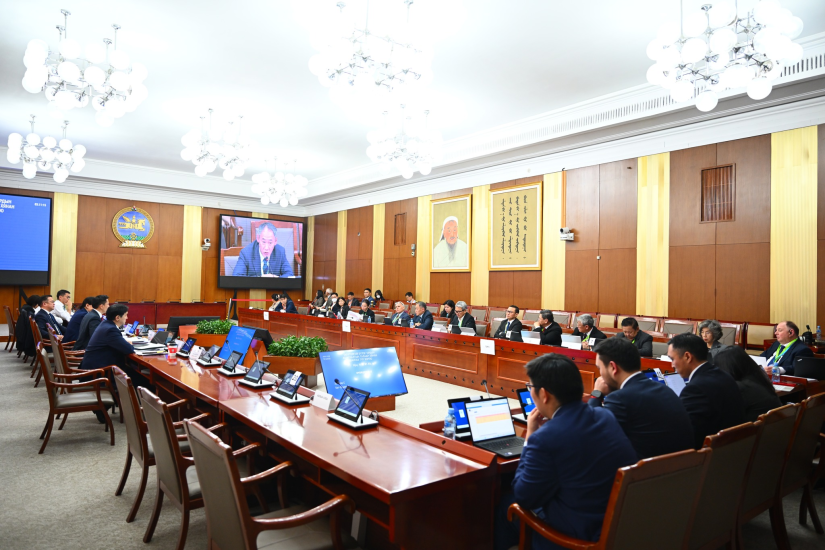
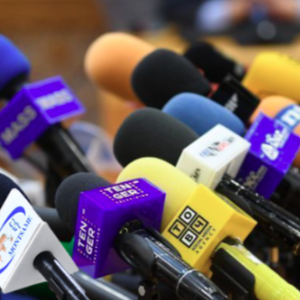
During the hearing, 14 television channels and media outlets broadcast the proceedings live nationwide and to Mongolians abroad.
MP
Batnairamdal noted that the Temporary Investigative Committee had worked for
more than five months since July 2, 2025. During this period, committee
members, investigators, and experts reviewed evidence, conducted analyses, and presented findings to the public in an accessible manner, guided by the
principle that “this is the property of the people of Mongolia, the
Constitution must be upheld, and the rightful owners of the nation’s wealth
should receive their fair share.” He emphasized that the discussions focused on
the management and use of public assets, adding that the most important outcome
of the hearing must be concrete solutions that are actually implemented.
Highlighting
that construction of the Oyu Tolgoi underground mine is being completed this
year, MP Batnairamdal underscored that the project is undergoing a major
transition from 16 years of construction to becoming a stable producer and a
major mining company. Accordingly, he stated that the originally agreed 53
percent share of benefits for Mongolia must be realized, warning that failure
to do so could lead to serious risks and consequences.
The Temporary Investigative Committee reiterated that its objective is to ensure Mongolia’s national interests and to increase the benefits derived from the Oyu Tolgoi project to a fair and justified level. It emphasized that the current generation now bears the responsibility to learn from the successes and mistakes of the past 16 years and to preserve the country’s natural wealth for future generations. “Regardless of political affiliation, Mongolians must unite at this moment, jointly arrive at solutions, and move forward together,” the chair stated. In closing, he expressed gratitude to all witnesses, observers, and participants who took part in the three-day hearing; to media organizations that ensured openness, transparency, and the public’s right to know; to the staff of the Secretariat of the State Great Khural who organized the hearing; and to the investigators, experts, and members of the Temporary Investigative Committee.
Of
the approximately 300 witnesses summoned to the hearing, notices were delivered
to 266, and 207 witnesses participated, representing 70 percent of those
called. In addition to committee members, investigators, and experts, the
hearing was attended by 17 officials from five relevant government
institutions, five employees from two state-owned enterprises, one observer,
and 52 participants representing citizens and non-governmental organizations,
according to the Parliament’s Press and Media Department.