



Total Turnover of Mongolia’s Securities Market Reaches MNT 269.5 Billion in the First Quarter of 2026
Economy

Ulaanbaatar, April 20, 2026 /MONTSAME/. The MONTSAME National News Agency, in cooperation with MICC Mongolia International Capital Corporation LLC, has launched a weekly review of Mongolia’s domestic capital market and economic developments, to be published at the beginning of each week.
Weekly Capital Market and Economic Review
(April 13–19, 2026)
MONGOLIAN STOCK EXCHANGE
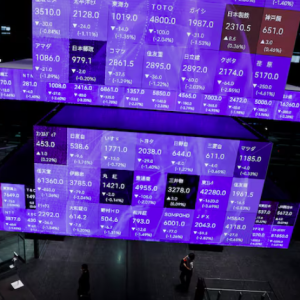
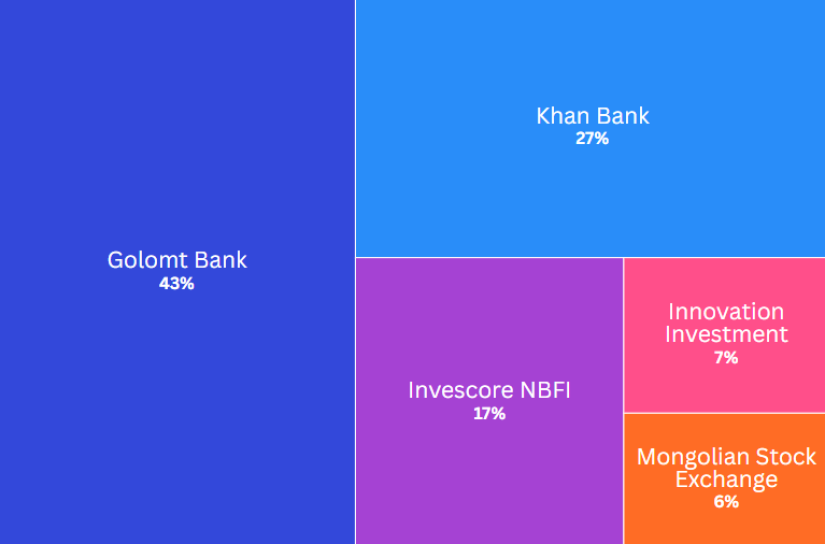
During the week, a total of 5.09 million securities worth MNT 7.08 billion were traded on the Mongolian Stock Exchange. By trading value, Golomt Bank JSC, Khan Bank JSC, Invescore NBFI JSC, Innovation Investment JSC, and Mongolian Stock Exchange JSC led market activity.
During the period, one block trade was conducted. Specifically:
- 29.6 thousand securities of Invescore NBFI JSC (INV) were traded at MNT 10,240 per share, totaling MNT 303.5 million.
Last week, the Mongolian Stock Exchange indices closed higher. The TOP-20 Index rose by 0.97%, the MSE A Index increased by 2.00%, and the MSE B Index gained 0.52%, indicating a prevailing positive market sentiment.
The growth was influenced by a recovery following earlier technical declines related to ex-dividend adjustments, as well as increased clarity stemming from ongoing shareholders’ meetings. In particular, the rise in the MSE A Index reflects stronger price recovery among large- and mid-cap companies.
At the same time, increasing investor forums and promotional activities introducing Mongolia’s capital market to international audiences are creating favorable conditions for sustaining long-term market interest. Overall, the market appears to have entered a short-term recovery phase.
SECURITIES MARKET TURNOVER INCREASES, PRIMARY MARKET REMAINS DOMINANT
As of the first quarter of 2026, total turnover in Mongolia’s securities market reached MNT 269.5 billion, increasing by MNT 97.0 billion, or 56.2%, compared with the same period of the previous year. This growth indicates rising financing activity in the market.
Of the total turnover:
Primary market: MNT 140.1 billion (52.0%)
Secondary market: MNT 129.5 billion (48.0%)
This structure demonstrates that new issuances and financing activities continue to occupy a significant share of market operations.
Key trends observed in market structure and movements:
Primary market dominance:
New issuances and financing transactions remain the main drivers of market growth, indicating that the capital market is increasingly utilized as a financing channel.
Limited secondary market participation:
Trading activity remains concentrated within specific segments rather than broadly distributed across the market.
Changing transaction structure:
The decline in the number of traded securities indicates fewer small-scale transactions with broad participation, while large-value institutional transactions are becoming dominant. In other words, market growth is driven more by larger deal sizes than by an increase in the number of participants.
Market balancing:
The significant share of asset-backed securities and bond trading suggests sustained demand for fixed-income instruments. This reflects a continued tendency toward risk aversion. Although total market capitalization has increased year-on-year, short-term declines indicate a corrective phase following earlier growth, suggesting the market is undergoing rebalancing.
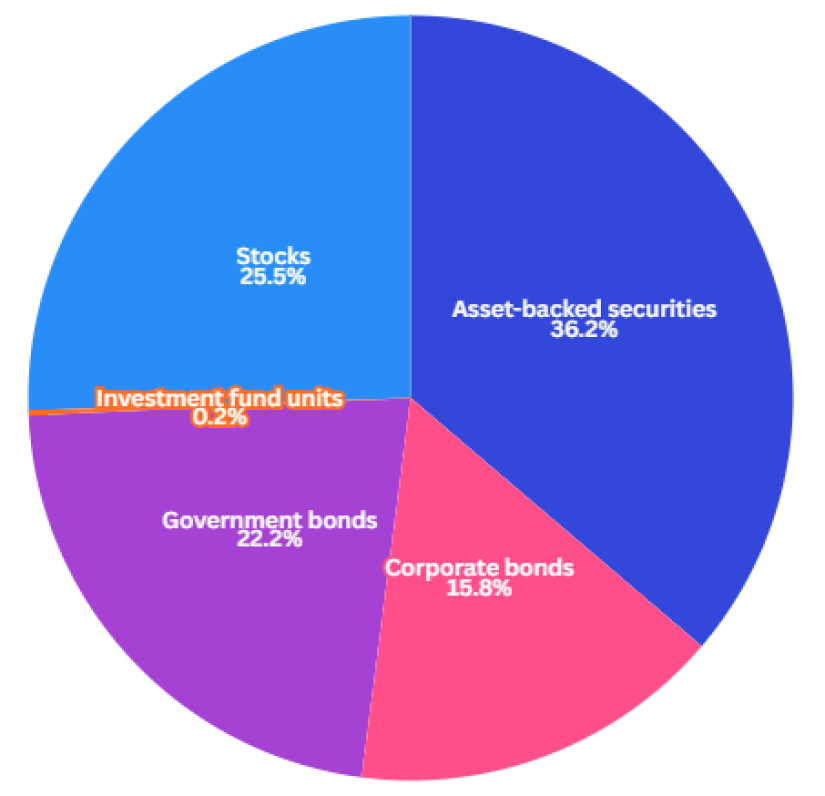
The total number of traded securities reached 111.6 million units, decreasing by 58.4% compared with the same period last year, confirming that turnover growth is supported by higher-value transactions rather than trading volume.
The TOP-20 Index rose year-on-year in March 2026 but declined compared with the previous month, indicating a short-term market correction. Total market capitalization reached MNT 13.7 trillion, increasing on an annual basis but declining month-on-month.
Overall, activity in Mongolia’s securities market is increasing, and its financing function is strengthening to some extent. However, growth remains narrowly concentrated in the primary market and large-value transactions. Improving secondary market liquidity and expanding the investor base remain essential for achieving sustainable growth.
MONGOLIA’S ECONOMY IN THE FIRST QUARTER OF 2026: GROWTH MAINTAINED AMID STRUCTURAL CHALLENGES
In the first quarter of 2026, Mongolia’s economy maintained a certain level of growth and activity; however, structural challenges persisted, including sectoral imbalances and relatively subdued domestic demand.
Macroeconomic indicators show improved external sector performance and expanded monetary and financial conditions, supporting economic activity, while several social and demographic indicators continue to face challenges.
MAIN DRIVERS OF ECONOMIC GROWTH
Expansion of Foreign Trade
- Total trade turnover: +32.5% YoY
- Exports: +62.3% YoY
- Imports: –2.7% YoY
Strong Growth in the Industrial Sector
- Total industrial output: +61.2% YoY
- Mining sector: +74.2% YoY
- Electricity and energy sector: +46.7% YoY
Expansion of Monetary and Financial Indicators
- Money supply: +21.3% YoY
- Outstanding loans: +16.6% YoY
- Household loans: +17.7%
- Corporate loans: +20.7%
Foreign trade performance improved significantly, with total trade turnover rising by 32.5% year-on-year. Export growth of 62.3% became the primary driver of expansion, while imports declined by 2.7%, suggesting domestic demand remains relatively constrained. As a result, the trade balance improved, and the external sector continues to be a key contributor to economic growth.
In the monetary and financial sector, growth in money supply and credit indicates continued expansion of the financial system and strengthening economic activity. Rising lending to both businesses and households supports investment and consumption; however, increasing levels of loans requiring attention signal potential pressure on asset quality.
PRICE PRESSURES AND INFLATION
- Consumer Price Index (CPI): +7.4% YoY
- Food prices: +13.9% YoY
- Producer Price Index (industrial sector): +16.7% YoY
Inflation rose by 7.4%, mainly driven by a 13.9% increase in food prices. Elevated producer price inflation indicates growing cost pressures from the supply side.
BUDGET AND PUBLIC FINANCE
- Budget revenue: +11.9% YoY
- Budget expenditure: +17.9% YoY
- Balanced fiscal position: Deficit widened
In the first quarter of 2026, consolidated budget revenue and grants reached MNT 7.2 trillion, with balanced revenue increasing by 2.5%. Total expenditure and net lending rose sharply by 17.9% to MNT 7.7 trillion, resulting in a MNT 1.4 trillion deficit.
Expenditure growth was mainly driven by capital spending, goods and services, and current transfers. While tax revenue increased modestly, declines in personal income tax and excise tax revenues reveal structural weaknesses in revenue composition. Overall, faster expenditure growth relative to revenue reflects both economic support policies and rising fiscal pressures.
Despite maintaining growth in the first quarter of 2026, Mongolia’s economic expansion remains concentrated in the external sector and mining industry. With domestic demand relatively limited, inflationary pressures persisting, and fiscal expansion increasing, the structure of economic growth and sectoral balance will remain key issues requiring continued attention.